Getting a Dog During a Cross-Country Move: 2026 Guide
Planning a cross-country move and getting a dog in 2026? Learn how to manage pet-friendly logistics, choose the right dog, and settle into your new home.
The 2026 Guide to Getting a Dog During a Cross-Country Move
Life transitions are inherently stressful, but combining two massive milestones—getting a new dog and executing a cross-country move—requires military-grade precision. In 2026, the normalization of remote work and flexible hybrid schedules has led to a surge in long-distance relocations. Millions of households are shifting to new states, and many are deciding that a new canine companion is the perfect way to christen their new chapter. However, merging the "Getting a Dog" phase with a major geographical life transition presents unique logistical, emotional, and financial hurdles.
If you are preparing to pack up your life and bring a new furry friend along for the ride, this comprehensive 2026 guide will help you navigate the timing, transportation, and settling-in processes seamlessly.
The Timing Dilemma: Before, During, or After the Move?
The most critical decision you will make is when exactly to acquire your dog relative to your moving date. Animal behaviorists generally advise against bringing a new pet home on the exact same day you are loading a moving truck. The chaos of movers, open doors, and packing tape is a recipe for a runaway dog or severe anxiety.
- Getting the Dog 30+ Days Before: This is the ideal scenario. It allows your new dog to decompress, learn your routines, and bond with you in a familiar environment before the disruption of the move.
- Getting the Dog During the Move: Highly discouraged. The stress of transit combined with the "3-3-3 rule" of canine decompression (3 days to decompress, 3 weeks to learn routine, 3 months to feel at home) will overwhelm both you and the dog.
- Getting the Dog 30+ Days After: A safe alternative. Once your new home is unpacked, pet-proofed, and smells like you, bringing a dog into a stable environment sets them up for immediate success.
Choosing the Right Dog for a High-Stress Transition
Not all dogs handle the rigors of cross-country travel and sudden environmental changes equally. When browsing shelters or breeders in 2026, prioritize temperament and age over aesthetics. According to the American Kennel Club's tips for moving with dogs, a dog's adaptability is heavily influenced by their early socialization and current life stage.
| Life Stage | Pros for Moving | Cons for Moving | 2026 Relocation Verdict |
|---|---|---|---|
| Puppies (8-16 weeks) | Highly adaptable; no past trauma to trigger in new environments. | Requires intense potty training; fragile immune system during travel; high energy. | Good, but requires a dedicated co-pilot for constant bathroom breaks. |
| Young Adults (1-3 years) | Sturdy for travel; usually potty trained; personality is established. | May have high exercise needs that are hard to meet during transit and unpacking. | Excellent, provided you hire a dog walker for the first two weeks of unpacking. |
| Seniors (7+ years) | Calm demeanor; low exercise needs; happy to just be near you. | Health issues may flare up due to stress; climate changes (e.g., moving to Arizona) can affect joints. | Great for quiet moves, but requires a pre-move veterinary health clearance. |
2026 Pet Relocation Logistics: Ground vs. Air
How you transport your new dog depends on their size, your budget, and your destination. In 2026, airline pet policies have become stricter regarding cabin weight limits and cargo safety, making ground transport increasingly popular.
Ground Transport (Driving or Pet Taxis)
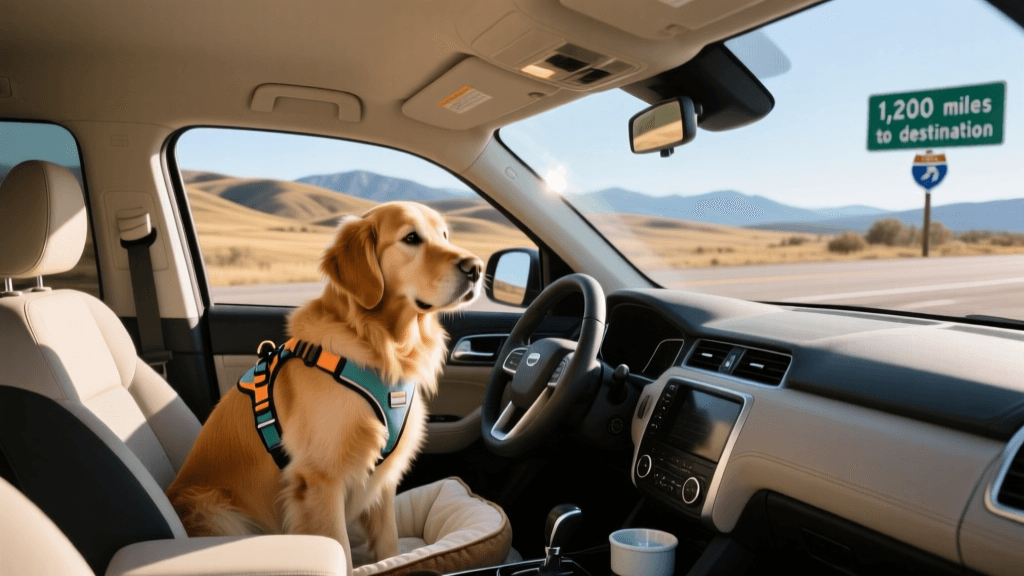
Driving is the safest and most humane way to move a dog cross-country. You control the climate, the music volume, and the potty break schedule. If you are flying to your new home but need your dog transported, professional pet ground relocation services are booming. Expect to pay between $1,200 and $3,500 in 2026 for a door-to-door pet taxi service, depending on the distance. These services use climate-controlled SUVs equipped with GPS tracking and live-stream cameras so you can monitor your dog's journey.
Air Travel
If your dog is small enough (typically under 20 lbs including the carrier), they can fly in the cabin with you. Always check the specific airline's 2026 carrier dimension requirements, as overhead bin and under-seat clearances vary. For larger dogs, cargo is the only option, though many major passenger airlines have banned live animal cargo entirely. You may need to use specialized pet cargo airlines or freight services. The American Veterinary Medical Association (AVMA) strongly recommends avoiding sedation for air travel, as it can dangerously depress a dog's respiratory and cardiovascular systems at high altitudes.
Budgeting for a 2026 Relocation with a New Dog
Moving is expensive, and adding a new dog to the equation requires a dedicated financial buffer. Here is a structured list of estimated costs to factor into your 2026 moving budget:
- Pre-Move Vet Visit & Health Certificate: $80 - $150 (Required for air travel and some state borders).
- Crash-Tested Car Harness or Airline Carrier: $60 - $250.
- Pet-Friendly Hotel Surcharges: $50 - $150 per night (Budget for 2-4 nights for a cross-country drive).
- Smart Home Pet Tech (Furbo 360, GPS Collar): $150 - $300.
- Emergency Boarding/Daycare Buffer: $200 - $400 (Crucial for the days you are unloading heavy furniture and cannot watch the dog).
Setting Up Your New Home: The "Basecamp" Method
When you arrive at your new house, do not give your new dog free roam of the entire property. The ASPCA's guide on moving with pets emphasizes the importance of creating a secure, confined space to prevent overwhelming the animal. This is known as the "Basecamp" method.
- Choose One Room: Select a quiet bedroom or home office. Set it up with their crate, water bowl, puzzle toys, and an article of your worn clothing for comfort.
- Pet-Proof the Perimeter: Ensure window screens are secure and there are no exposed moving wires or toxic packing materials.
- Introduce Slowly: After 48 hours in Basecamp, allow the dog to explore the rest of the house on a leash, room by room, sniffing and mapping the new scents.
- Smart Monitoring: In 2026, utilizing a smart camera with two-way audio and treat-tossing capabilities is highly recommended. This allows you to monitor your dog's stress levels while you are outside unpacking the moving truck.
The 3-3-3 Decompression Protocol
Getting a dog during a life transition means you must be hyper-aware of their emotional state. The 3-3-3 rule is the gold standard for rescue and newly acquired dogs:
- 3 Days of Decompression: The dog may hide, refuse to eat, or sleep excessively. Keep the environment quiet. Skip the neighborhood walks and focus on indoor sniffing games.
- 3 Weeks of Routine Building: The dog begins to understand the new schedule. Potty training habits solidify, and their true personality starts to emerge. This is the time to enroll in a local 2026 positive-reinforcement obedience class to build confidence and socialize in the new city.
- 3 Months of True Bonding: The dog finally realizes they are home. Trust is established, and the stress of the cross-country move is a distant memory.
Final Thoughts on Dual Transitions
Getting a dog while moving cross-country is undoubtedly an ambitious life transition. It requires patience, meticulous planning, and a willingness to put the dog's emotional needs above the urgency of unpacking boxes. By choosing the right timing, utilizing modern 2026 pet transport logistics, and respecting the decompression process, you will ensure that your new companion thrives in their new zip code. The bond forged during this shared journey of starting over will be unlike any other, laying the foundation for a lifetime of loyalty and adventure in your new home.
beth-carrasco
All our authors care for dogs every day — read more of their work on the authors page.