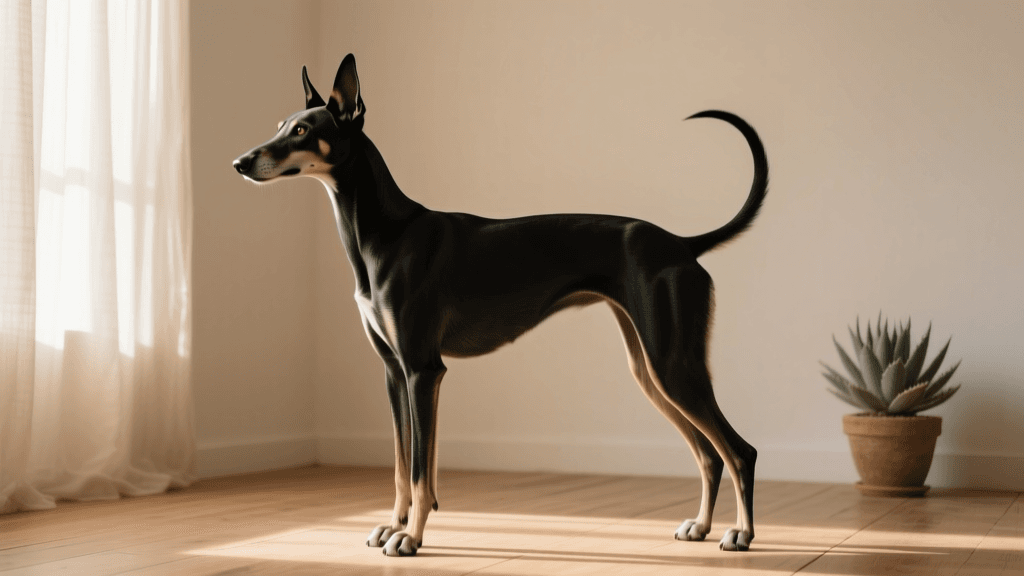
Getting an Azawakh in 2026: Costs, Care & Breed Profile
Discover everything about getting an Azawakh in 2026. Learn about West African Sighthound costs, climate needs, temperament, and rare breed acquisition tips.
The Enigmatic Azawakh: A Rare Desert Sighthound
When considering adding a canine companion to your life, few breeds offer the mystique, elegance, and profound historical depth of the Azawakh. Originating from the harsh, arid Sahel region of West Africa—specifically the borders of Mali, Niger, and Burkina Faso—the Azawakh was traditionally bred by the nomadic Tuareg people. Unlike many modern breeds developed purely for companionship or specialized show rings, the Azawakh was a vital survival tool. They served as fierce guardians of the camp, protectors of livestock, and swift hunters of desert game. As of 2026, the Azawakh remains one of the rarest dog breeds in the world, making the process of acquiring one a unique journey that requires patience, dedication, and a deep understanding of the breed's specialized needs.
Physically, the Azawakh is a masterpiece of functional anatomy. Often described as having "dry" muscle, their bone structure and musculature are visibly prominent beneath their remarkably thin, supple skin. According to the American Kennel Club (AKC), this extreme leanness is not a sign of malnutrition but a breed-standard trait that allows for rapid heat dissipation in the blistering desert sun and explosive speed when chasing prey. Standing up to 29 inches at the shoulder and weighing a mere 33 to 55 pounds, their vertical, elegant gait is entirely distinct from the horizontal suspension gallop of a Greyhound. For the prospective owner in 2026, understanding this unique physiology is the first step in preparing your home and lifestyle for this extraordinary international breed.
The 2026 Azawakh Market: Acquisition and Costs
Getting an Azawakh is not as simple as visiting a local breeder or checking a regional shelter. Because the gene pool outside of West Africa is incredibly small, ethical breeders prioritize health, temperament, and genetic diversity over volume. In 2026, prospective owners should expect to join a waitlist that can span anywhere from 12 to 24 months. Reputable breeders will extensively vet you, requiring detailed questionnaires about your living situation, sighthound experience, and understanding of the breed's high prey drive and aloof nature with strangers.
Importing an Azawakh from European FCI (Fédération Cynologique Internationale) breeders remains a common route for dedicated enthusiasts in North America, though it significantly increases the initial financial investment. Below is a breakdown of the estimated costs associated with acquiring and initially setting up an Azawakh in 2026.
| Expense Category | Estimated 2026 Cost (USD) | Notes & Considerations |
|---|---|---|
| Domestic Puppy Purchase | $3,500 - $5,500 | Waitlists often exceed 18 months; includes early health screenings. |
| International Import (EU) | $6,500 - $10,000 | Includes flight nanny, EU pet passport, and international health certs. |
| Initial Veterinary Care | $800 - $1,400 | Vaccines, microchipping, and baseline sighthound-specific bloodwork. |
| Secure Fencing (6ft+) | $5,000 - $9,500 | Essential for 60-inch vertical jumpers; must include dig-guards. |
| Orthopedic Bedding & Coats | $350 - $600 | Required due to extremely low body fat and lack of undercoat. |
| Lure Coursing Equipment | $150 - $300 | Drag lures and squawky toys to satisfy innate predatory drift. |
Preparing Your Home for a Desert Sighthound
The Azawakh's physical adaptation to the Sahel means they are remarkably ill-equipped for cold, damp, or freezing climates. If you live in a region with harsh winters, preparing your home in 2026 requires investing in high-quality canine apparel. Brands like Hurtta and Chilly Dog offer specialized sighthound coats that accommodate the Azawakh's deep chest and narrow waist. Furthermore, because they lack a protective layer of subcutaneous fat, Azawakhs cannot comfortably sleep on hard floors. You must provide thick, orthopedic bedding, heated mats for winter months, and even allow them access to soft furniture or your bed to prevent pressure sores on their bony prominences.
Outdoor containment is another critical factor. The Azawakh is an elite athlete capable of clearing a five-foot fence from a standing start. A standard four-foot chain-link fence is entirely inadequate and dangerous. Prospective owners must install a minimum six-foot privacy fence (PVC or wood) with no horizontal crossbars that could be used as a ladder. Additionally, because sighthounds are notorious diggers when they spot prey on the other side of the barrier, installing a concrete footer or an inward-facing wire dig-guard along the perimeter is a non-negotiable safety requirement.
Nutrition, Health, and Veterinary Considerations
Feeding an Azawakh requires an understanding of their unique metabolic rate. Unlike many modern breeds that are prone to obesity, the Azawakh naturally maintains a remarkably lean physique. However, they still require a nutrient-dense, high-protein diet to support their fast-twitch muscle fibers. In 2026, many top Azawakh breeders and owners advocate for a balanced raw diet or a high-quality, low-carbohydrate kibble supplemented with fresh meats. Because they are a deep-chested breed, they are at a higher risk for Gastric Dilatation-Volvulus (GDV), commonly known as bloat. Utilizing slow-feeder bowls, feeding multiple small meals a day, and strictly avoiding vigorous exercise for an hour before and after meals are mandatory protocols.
Health screening is paramount when dealing with a rare breed. The Orthopedic Foundation for Animals (OFA) and the Canine Health Information Center (CHIC) recommend specific screenings for the Azawakh, including evaluations for autoimmune thyroiditis, cardiac anomalies, and hip dysplasia. Prospective buyers must demand to see the OFA certificates of both parents before placing a deposit. Furthermore, veterinary care requires specialized knowledge. Like all sighthounds, the Azawakh has a unique hepatic metabolism that makes them highly sensitive to certain barbiturate-based anesthetics. In 2026, it is crucial to ensure your local veterinarian is well-versed in modern, sighthound-safe anesthesia protocols (such as propofol and isoflurane combinations) before scheduling any elective procedures, including spaying or neutering.
Training, Socialization, and Lifestyle Realities
The temperament of the Azawakh is often misunderstood by those accustomed to eager-to-please breeds like the Golden Retriever or the Border Collie. The Azawakh is fiercely loyal and deeply bonded to its immediate family, often exhibiting a "velcro" attachment to their primary caregivers. However, they are notoriously aloof, suspicious, and sometimes entirely dismissive of strangers. Early, ongoing socialization is critical, but it must be done respectfully. Forcing an Azawakh into overwhelming, chaotic environments will only reinforce their defensive instincts. Instead, socialization should involve positive, low-pressure exposure to diverse environments, surfaces, and calm individuals.
Recall training is the most significant challenge for any sighthound owner. The Azawakh possesses an intense predatory drift; if they see a squirrel, a rabbit, or a fleeing neighborhood cat, their instinct to chase will override years of obedience training. For this reason, an Azawakh must never be allowed off-leash in an unfenced area. To fulfill their need for explosive speed and mental stimulation, owners are highly encouraged to participate in American Sighthound Field Association (ASFA) lure coursing events or AKC Coursing Ability Tests (CAT). These controlled environments allow the dog to safely express their natural running instincts while chasing a mechanized lure, providing the physical and psychological exhaustion necessary for a well-balanced household companion.
Is the Azawakh Right for You?
Getting an Azawakh in 2026 is a commitment to a lifestyle as much as it is a commitment to a pet. They are not the right breed for those seeking a highly social, outgoing dog that will happily greet every visitor at the door. They are, however, the perfect match for the quiet, dedicated owner who appreciates a dignified, observant, and profoundly loyal companion. They thrive in homes with secure yards, active owners who enjoy outdoor adventures (on-leash), and individuals who respect the dog's need for physical comfort and emotional security. If you are willing to navigate the extensive waitlists, invest in the necessary home modifications, and embrace the unique quirks of a true desert nomad, the Azawakh will reward you with a bond that is as ancient and enduring as the Sahel itself.
marcus-aldridge
All our authors care for dogs every day — read more of their work on the authors page.