Service Dog Puppy Socialization: 2026 Public Access Guide
Discover the essential 2026 guide to socializing your future service dog puppy. Learn public access training, gear, and stress management for working dogs.
Raising a Working Dog: The Unique Demands of 2026
Raising a puppy is always a rewarding challenge, but raising a future service dog prospect introduces a completely different tier of responsibility. Unlike companion pets, working dogs must learn to ignore intense distractions, remain calm in chaotic public environments, and eventually perform life-saving or life-altering tasks for their handlers. In 2026, the landscape of service dog training has evolved significantly, emphasizing force-free methodologies, advanced behavioral science, and specialized gear designed to set puppies up for success from day one.
The first six months of a service dog puppy's life are arguably the most critical. This period dictates their neurological development, their confidence levels, and their ability to generalize training across vastly different environments. Whether you are raising a mobility support dog, a psychiatric service dog, or a medical alert prospect, mastering early public access socialization is the bedrock of their future career.
The Critical Window: Why Early Socialization Matters
The primary socialization window for puppies occurs between 8 and 16 weeks of age. During this brief period, a puppy's brain is highly plastic, meaning they are exceptionally receptive to new experiences, sounds, surfaces, and people. If a puppy is not exposed to the wide variety of stimuli they will encounter in public spaces during this window, they are at a much higher risk of developing fear-based reactivity or anxiety later in life.
Historically, some veterinarians advised keeping puppies isolated until they completed their full vaccination series. However, modern veterinary behavior science strongly contradicts this. According to the guidelines outlined by the American Veterinary Society of Animal Behavior (AVSAB), the risk of a puppy developing behavioral issues due to lack of socialization far outweighs the risk of disease transmission, provided the puppy is only exposed to safe, controlled environments. For a future service dog, missing this window can mean the difference between a successful working career and a career change into a pet home.
Essential 2026 Gear for Public Access Training
To effectively socialize a service dog prospect, you need the right tools. The gear available in 2026 focuses heavily on ergonomic design, handler convenience, and canine comfort.
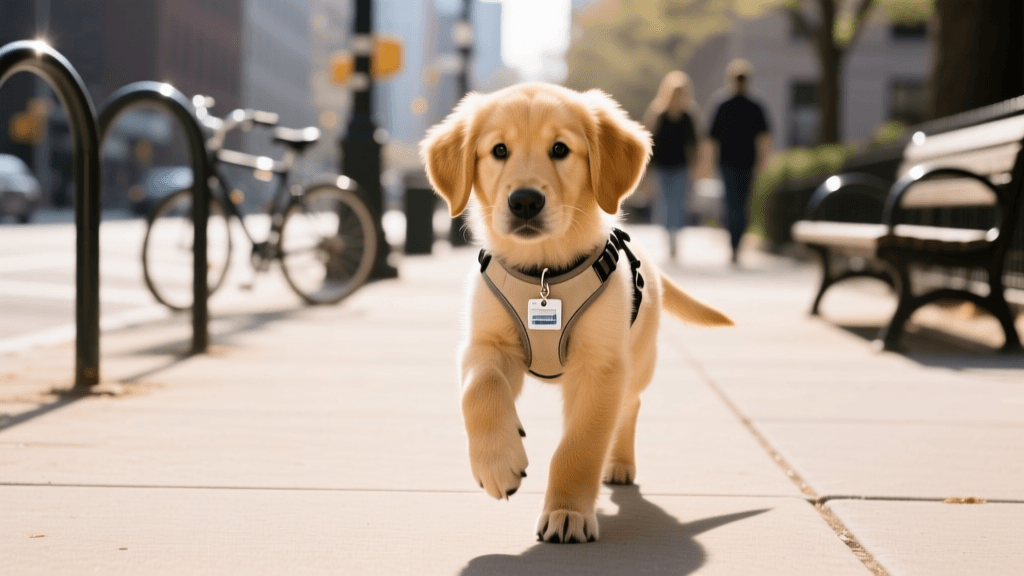
1. The Rabbitgoo No-Pull Tactical Harness (2026 Edition)
For early public access training, a front-clip no-pull harness is essential. The 2026 edition of the Rabbitgoo Tactical Harness features upgraded breathable mesh and a reinforced front D-ring. This allows handlers to gently redirect a puppy's momentum if they become distracted or attempt to pull toward a distraction, such as a dropped piece of food or another dog. The harness also features a sturdy back handle, which is invaluable for quickly securing a puppy in tight spaces like elevator cabins or public transit aisles.
2. Doggone Good Rapid Reward Pouch
Timing is everything in positive reinforcement training. The Doggone Good Rapid Reward Pouch remains the industry standard for professional trainers in 2026. Its magnetic closure allows for silent, lightning-fast treat delivery, which is crucial when rewarding a puppy for maintaining eye contact in a busy environment. Fumbling with zippers or velcro can cause you to miss the exact moment the puppy performs the desired behavior, weakening the training association.
3. Adaptil Junior Calming Collar
Public access training can be overwhelming for a young puppy. The Adaptil Junior collar releases synthetic dog-appeasing pheromones that mimic those produced by a nursing mother. While it is not a substitute for proper threshold management, it provides a subtle, continuous layer of chemical calming support during high-stress outings, such as a puppy's first visit to a bustling hardware store or a crowded outdoor market.
Desensitization to Mobility and Medical Equipment
One of the most overlooked aspects of raising a service dog puppy is desensitization to the very equipment they may one day need to work around or interact with. Mobility service dogs must be entirely comfortable around wheelchairs, walkers, crutches, and canes. Medical alert dogs must remain unfazed by the sounds and smells of medical environments.
Start this process at home during the 8-to-10-week window. Introduce crutches by laying them on the floor and feeding high-value treats (like boiled chicken or freeze-dried liver) near them. Gradually progress to picking them up, moving them, and eventually walking with them while the puppy is nearby. For wheelchair desensitization, borrow a manual chair and practice pushing it past the puppy, rewarding them for remaining seated and calm. If you are raising a medical alert dog, safely introduce the scents of rubbing alcohol, latex gloves, and adhesive bandages by placing them in snuffle mats or puzzle toys, building a positive association with clinical odors.
Step-by-Step Public Access Progression Plan
Public access training should never be a sink-or-swim experience. It requires a methodical, tiered approach that gradually increases environmental complexity as the puppy's confidence and focus grow.
Weeks 8-10: Low-Stimulus Environments
Focus on quiet, predictable locations. Hardware stores (like Home Depot or Lowe's) are excellent because they have wide aisles, interesting but static smells, and generally slow-moving foot traffic. Practice basic engagement exercises, such as the "watch me" command and loose-leash walking, in the garden center or an empty aisle.
Weeks 11-13: Medium-Stimulus Environments
Introduce environments with moderate auditory and visual distractions. Pet-friendly outdoor shopping centers, quiet local parks, and outdoor cafes are ideal. The goal here is not to let the puppy greet strangers or other dogs, but to teach them to remain neutral. Practice "settle" on a portable training mat while you drink a coffee, rewarding the puppy for offering calm, downward-facing behaviors.
Weeks 14-16: High-Stimulus Environments
Once the puppy has demonstrated reliability in medium-stimulus areas, carefully introduce high-stimulus environments. This includes busy grocery stores (where permitted by local health codes or store policies for service dogs in training), public transit stations, and crowded malls. Keep these sessions incredibly short—no more than 10 to 15 minutes. The objective is exposure and successful retreat, not endurance.
2026 Public Access Socialization Tracker
Use the following table to track your puppy's progression and ensure you are not pushing them past their stress threshold. Remember, a service dog in training must prioritize neutrality over interaction.
| Environment Type | Target Age | Primary Training Goal | Max Session Length | Stress Indicators to Monitor |
|---|---|---|---|---|
| Hardware / Garden Stores | 8 - 10 Weeks | Surface confidence, basic engagement | 15 Minutes | Tucking tail, refusing treats |
| Outdoor Shopping Centers | 11 - 13 Weeks | Neutrality to distant dogs/people | 20 Minutes | Lip licking, excessive panting |
| Public Transit Stations | 14 - 16 Weeks | Noise desensitization, mat settling | 10 Minutes | Whale eye, trembling, hiding |
| Busy Grocery Stores | 16+ Weeks | Ignoring dropped food, tight spaces | 15 Minutes | Sniffing frantically, pulling |
Recognizing Thresholds and Stress Signals
A common mistake novice trainers make is forcing a puppy to "tough it out" in an overwhelming environment. This practice, known as flooding, can cause permanent psychological damage and effectively end a service dog prospect's career before it begins. As outlined by the Americans with Disabilities Act (ADA), a working service animal must be under the handler's control and not pose a disruption to the public. A dog that is over-threshold cannot learn, cannot perform tasks, and cannot remain under control.
You must become an expert in reading canine calming signals. Early signs of stress include frequent yawning (when not tired), lip licking, sniffing the ground persistently to avoid eye contact, and "whale eye" (showing the whites of the eyes). If you observe these signals, you have pushed the puppy too far, too fast. The immediate protocol is to increase the distance from the stressor, move to a quieter area, and engage in a simple, high-reward training game to rebuild the puppy's confidence before ending the session on a positive note.
Building the Foundation for Task Training
While the first six months are heavily focused on socialization and public access manners, you are simultaneously laying the cognitive groundwork for future task training. The American Kennel Club (AKC) emphasizes that service dogs require a high degree of problem-solving ability and handler focus. You can build this foundation through shaping games.
Use a clicker or a verbal marker to reward the puppy for interacting with novel objects. If you place a cardboard box on the floor, reward the puppy for looking at it, stepping toward it, and eventually putting their paws inside it. This teaches the puppy that interacting with the environment yields rewards, which is the exact cognitive pathway required for tasks like retrieving dropped items, opening doors, or turning on lights. By fostering a proactive, confident mindset during the puppy phase, you ensure that when formal task training begins at 6 to 12 months of age, the dog is eager and capable of learning complex behaviors.
Conclusion: Patience and Consistency
Raising a future service dog is a marathon, not a sprint. The public access socialization phase in 2026 requires immense patience, keen observation, and a commitment to force-free, science-based training methods. By utilizing the right gear, respecting your puppy's stress thresholds, and methodically exposing them to the sights, sounds, and surfaces of the human world, you are giving them the greatest possible chance of succeeding in their vital working role. Remember that every positive experience you facilitate during these early months is an investment in the safety, independence, and well-being of the future handler they will one day serve.
priya-sutaria
All our authors care for dogs every day — read more of their work on the authors page.