2026 Safe-Space Setup: Smart Tech for New Dog Separation Anxiety
Discover the best 2026 smart cameras, puzzle toys, and crate setups to prevent separation anxiety when leaving your new dog or puppy home alone.
The Modern Challenge of Canine Separation Anxiety in 2026
Bringing a new dog into your life is an incredibly rewarding experience, but it comes with significant responsibilities, particularly when it comes to leaving them home alone. As hybrid work models continue to evolve in 2026, many new pet owners find themselves navigating the tricky transition of leaving their new companion unattended for several hours a day. Whether you have just adopted a rescue dog with an unknown history or brought home a young puppy, separation anxiety is a primary concern that must be addressed proactively. According to the ASPCA, separation anxiety is triggered when a dog becomes intensely upset over being separated from their guardians, often resulting in destructive behavior, excessive vocalization, and house soiling.
Fortunately, the pet technology and behavioral science landscapes have advanced significantly. By combining modern smart home monitoring with evidence-based behavioral conditioning, you can create a 'safe space' that fosters independence and calm in your new dog. This comprehensive guide will walk you through selecting the right 2026 smart pet cameras, utilizing interactive puzzle toys, and implementing a structured alone-time acclimation protocol to ensure your dog thrives even when you are not in the room.
Understanding the First 30 Days: Setting the Foundation
The first 30 days with a new dog are often referred to as the decompression period. During this time, your dog is learning the rhythms of your household, figuring out who their new family is, and establishing a baseline of trust. It is a critical error to leave a new dog alone for eight hours on their very first day. The American Kennel Club emphasizes that puppies and newly adopted dogs require gradual acclimation to being alone, as their bladder control and emotional resilience are still developing. Bladder capacity alone dictates that a young puppy can only hold it for about one hour per month of age, meaning frequent, brief absences are far better than long, stressful ones.
To prevent panic from setting in, you must desensitize your dog to your 'departure cues.' Dogs are masters of pattern recognition. Picking up your keys, putting on your shoes, and grabbing your coat are all signals that predict your absence. In 2026, behavioral experts recommend performing these actions randomly throughout the day without actually leaving the house. This breaks the associative bond between the cue and the anxiety-inducing event of you walking out the door.
Top Smart Pet Cameras for Monitoring and Interaction in 2026
Investing in a high-quality smart pet camera is one of the most effective ways to manage your own anxiety while monitoring your dog's stress levels. The latest 2026 models feature advanced AI bark detection, 4K resolution, and two-way audio that allows you to soothe your pet or dispense treats remotely.
1. Furbo 360 4K Dog Camera
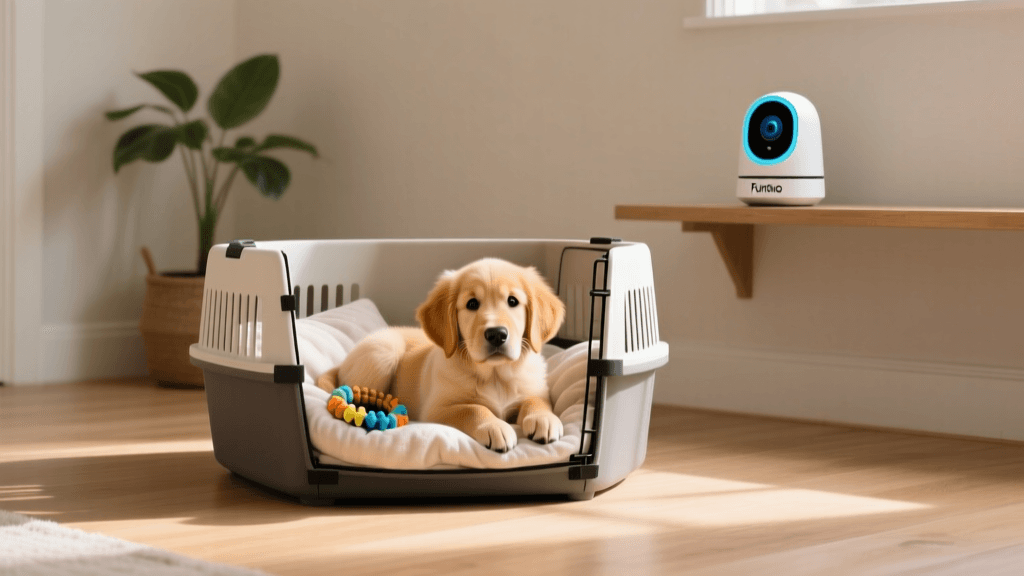
The Furbo 360 remains the gold standard for interactive pet monitoring. The 2026 iteration features an auto-rotating base that follows your dog around the room, ensuring you never lose sight of them. Its AI-powered 'Dog Nanny' feature sends real-time alerts to your smartphone if it detects vomiting, excessive crying, or destructive chewing. The treat-tossing mechanism allows you to reward calm behavior from miles away, turning your absence into an interactive game. Priced around $220, it is an investment that pays dividends in peace of mind.
2. Petcube Bites 2 Lite
For owners on a tighter budget (approximately $130 in 2026), the Petcube Bites 2 Lite offers exceptional value. While it lacks the 360-degree rotation of the Furbo, it boasts a wide-angle lens, crisp 1080p video, and a highly reliable treat dispenser. It also includes a built-in laser pointer, which can be a fantastic tool for burning off a high-energy dog's physical stamina right before you leave for work, promoting a longer, deeper nap during your absence.
Exhausting the Anxious Mind: 2026 Puzzle Toy Recommendations
Physical exercise is only half the equation; mental stimulation is what truly tires out an anxious dog. Providing a long-lasting, food-dispensing puzzle toy creates a positive association with your departure. When you leave, the 'fun' begins.
- West Paw Toppl: This modular rubber toy can be stuffed with wet food, peanut butter, and kibble, then frozen overnight. The interlocking design of the large and small Toppl makes it incredibly difficult for dogs to extract the food quickly, keeping them engaged for up to 45 minutes.
- Kong Classic (Red or Black): The timeless classic remains a staple in 2026. Stuff it with a mixture of plain Greek yogurt, blueberries, and dog-safe broth, then freeze it solid. The act of licking releases endorphins in a dog's brain, which naturally self-soothes and reduces cortisol levels.
- Nina Ottosson Dog Brick Puzzle: For dogs that are more motivated by problem-solving than licking, this intermediate-level puzzle requires the dog to slide compartments and flip lids to reveal hidden treats. It is best used under supervision initially, but excellent for pre-departure mental exhaustion.
Building the Ultimate 'Safe Zone' Sanctuary
Your dog needs a designated area where they feel entirely secure. For many dogs, this is a properly sized crate covered with a breathable blanket to mimic a den. Inside this safe zone, incorporate calming sensory tools:
Pro Tip: Never use the crate or safe zone as a place for punishment. It must exclusively be associated with high-value treats, comfortable rest, and positive experiences.
Adaptil Calm Home Diffuser: This plug-in diffuser releases synthetic dog-appeasing pheromones that mimic the comforting scent a mother dog produces while nursing. Clinical studies consistently show it reduces stress-related behaviors in newly adopted dogs.
Snuggle Puppy Behavioral Aid: This plush toy features a battery-operated 'real-feel' heartbeat and a heat pack. It is exceptionally effective for young puppies or rescue dogs who are mourning the loss of their littermates or previous pack, providing a physical anchor of comfort in an empty house.
The 4-Week Alone-Time Acclimation Protocol
Rushing the process of alone-time training is the number one cause of chronic separation anxiety. Follow this structured 4-week table to build your dog's confidence incrementally. Always ensure your dog has been thoroughly exercised and has had a mental enrichment session before beginning these trials.
| Week | Primary Goal | Max Alone Time | Tools & Techniques Used |
|---|---|---|---|
| Week 1 | Desensitize departure cues and build safe-zone comfort. | 5 to 15 minutes | Adaptil Diffuser, Snuggle Puppy, practicing key-jingling without leaving. |
| Week 2 | Introduce short, real absences and positive food associations. | 15 to 30 minutes | Frozen Kong, turning on Furbo camera to monitor stress signals. |
| Week 3 | Extend duration and vary departure times to prevent predictability. | 45 to 90 minutes | West Paw Toppl, white noise machine to mask outside hallway sounds. |
| Week 4 | Simulate real-world work schedules and establish a solid baseline. | 2 to 4 hours | Full safe-zone setup, mid-day dog walker break if exceeding bladder capacity. |
Recognizing True Separation Anxiety vs. Boredom
It is vital to distinguish between a dog who is simply bored and one who is experiencing clinical separation anxiety. A bored dog might chew a shoe or get into the trash, but they will usually settle down and sleep once the novelty of the destruction wears off. A dog with true separation anxiety will exhibit frantic behavior from the exact moment you leave until the moment you return. They will not eat the high-value treats you left behind, they will pace continuously, drool excessively, and may injure themselves trying to escape their crate or scratch through doors.
If your smart camera reveals that your dog is in a state of sheer panic, do not push through the 4-week protocol. Pause your training and consult a certified veterinary behaviorist. In 2026, there are highly effective, non-sedative anti-anxiety medications and specialized behavioral modification plans that can help lower your dog's threshold so that training can actually take hold.
Conclusion: Patience is Your Greatest Tool
Preparing your home for a new dog's alone time requires an investment in the right technology, the right enrichment tools, and above all, patience. By utilizing top-tier smart cameras like the Furbo 360 to monitor their progress, providing mentally exhausting puzzle toys, and strictly following a gradual acclimation schedule, you set your new companion up for a lifetime of confidence. Remember that every dog adjusts at their own pace. Celebrate the small victories, keep your departures low-key, and trust the process of building a secure, independent, and happy dog.
aaron-whyte
All our authors care for dogs every day — read more of their work on the authors page.