2026 Guide: Easing Dog Separation Anxiety With Smart Pet Cameras
Discover how to use smart pet cameras like Furbo and Petcube to ease dog separation anxiety in 2026 with our vet-approved 4-week desensitization protocol.
Navigating Canine Separation Anxiety in 2026
As remote work policies continue to evolve in 2026, many dogs that grew accustomed to constant human presence over the last few years are struggling with sudden shifts in household routines. Veterinary behaviorists report that separation-related distress remains one of the most common behavioral challenges faced by modern pet owners. Separation anxiety is not simply a dog 'misbehaving' or acting out of spite; it is a profound panic response triggered by the absence of their primary attachment figure.
Fortunately, the intersection of veterinary behavioral science and smart home technology has never been more robust. Modern smart pet cameras equipped with AI-driven bark analysis, 360-degree treat tossing, and automated calming routines offer unprecedented ways to monitor, manage, and ultimately rehabilitate dogs suffering from alone-time distress. In this comprehensive guide, we will explore the best pet cameras available in 2026 and outline a structured, four-week desensitization protocol to help your dog find peace when home alone.
Understanding the Root of the Panic
Before deploying technology, it is crucial to understand the clinical signs of true separation anxiety. According to the ASPCA, dogs with this condition exhibit extreme distress behaviors exclusively when left alone or separated from their guardians. These behaviors often include destructive chewing focused on exit points (doors and window frames), inappropriate elimination, excessive drooling, and relentless vocalization.
Smart cameras allow owners to differentiate between boredom-induced mischief and genuine panic. A bored dog might chew a shoe twenty minutes after you leave, then take a nap. A dog with separation anxiety will begin pacing, panting, and whining within seconds of the door closing, often ignoring toys and treats entirely. Capturing this baseline behavior on video is the first step in creating a tailored behavioral modification plan.
Top Smart Cameras for Anxiety Monitoring in 2026
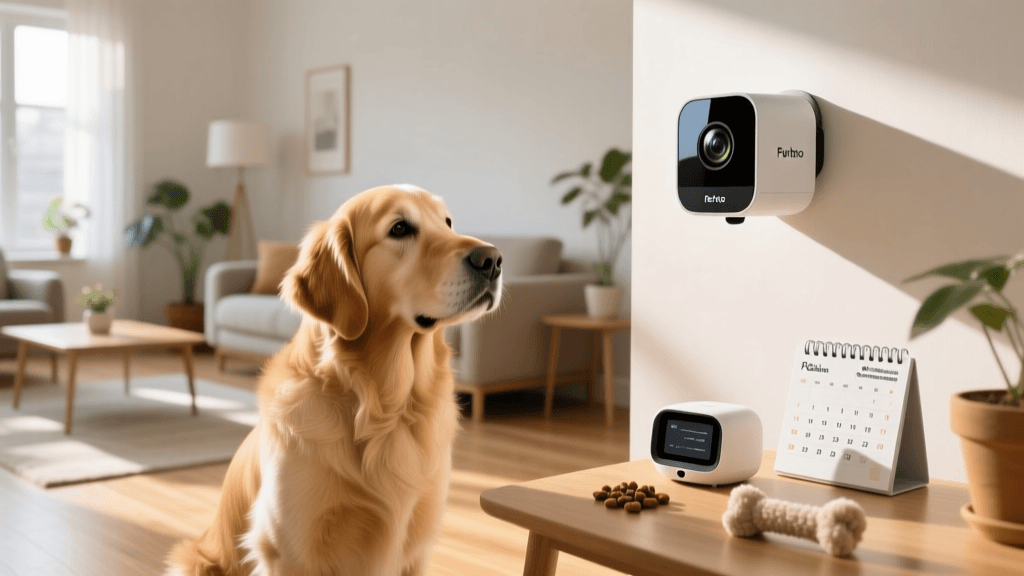
Not all pet cameras are created equal when it comes to behavioral intervention. For separation anxiety, you need a device that offers two-way audio, remote treat dispensing, and proactive AI alerts. Here is how the top models stack up this year:
| Feature | Furbo 360 (2026 Edition) | Petcube Bites 3 | Eufy Pet Pro |
|---|---|---|---|
| Field of View | 360-degree rotating | 160-degree wide angle | 360-degree rotating |
| Treat Tossing | Yes (Adjustable distance) | Yes (Programmable scheduling) | No (Audio/Laser only) |
| AI Bark Alerts | Advanced (Differentiates distress vs. alert barking) | Standard sound detection | Basic sound/motion detection |
| Auto-Calm Features | Plays pre-recorded owner voice on bark detection | Alexa integration for soothing sounds | White noise auto-play |
| Estimated 2026 Price | $219 | $189 | $149 |
The Furbo 360 (2026 Edition) remains the gold standard for behavioral intervention due to its advanced AI that can differentiate between a playful 'boof' and a high-pitched distress whine, automatically triggering a calming voice recording of the owner. However, the Petcube Bites 3 is an excellent alternative if your dog is highly food-motivated and responds well to scheduled, gamified treat dispensing throughout the day.
The 4-Week Tech-Assisted Desensitization Protocol
Purchasing a camera is only half the battle. To effectively treat separation anxiety, you must pair the technology with a systematic desensitization and counterconditioning (DS/CC) protocol. The American Kennel Club emphasizes that rushing this process can cause 'flooding,' which worsens the dog's trauma. Follow this four-week timeline strictly, using your smart camera as your primary feedback tool.
Week 1: Baseline Tracking and Safe Space Creation
Your goal this week is not to leave the dog alone for long periods, but to establish a 'safe zone' and identify your dog's exact panic threshold. Set up your camera in the room where your dog spends the most time. Introduce an Adaptil Optimum pheromone diffuser in this space at least 48 hours before starting departures.
- Action: Practice 'micro-departures.' Pick up your keys, put on your shoes, open the door, step out, and immediately return.
- Camera Use: Review the footage. Does your dog pace when you touch the keys? If so, you must desensitize the pre-departure cues first by picking up your keys and then sitting back on the couch repeatedly until the dog ignores the keys.
- Rule: Never make a fuss when leaving or returning. Ignore your dog for 10 minutes before you leave and 10 minutes after you return to lower the emotional stakes of the transition.
Week 2: Micro-Departures and Counterconditioning
Once your dog is relaxed with pre-departure cues, begin actual absences, starting with durations of just 5 to 30 seconds. This is where the treat-tossing feature of cameras like the Furbo or Petcube becomes invaluable.
- Action: Step outside and close the door. Wait for 5 seconds of silence.
- Camera Use: Watch the live feed. The moment your dog sits calmly or lies down, use the app to toss a high-value treat (like freeze-dried beef liver). This builds a positive association: 'Owner leaving predicts delicious snacks.'
- Timing: Always return before the dog shows signs of distress. If your dog panics at 45 seconds, your absences this week should never exceed 30 seconds.
Week 3: Extending Duration and AI Intervention
Gradually increase your absence duration to 2, 5, and eventually 15 minutes. Introduce variable intervals so the dog does not learn to predict exactly when you will return.
- Action: Leave the house, get into your car, and start the engine to simulate a real departure.
- Camera Use: Utilize the AI Bark Alerts. If the camera notifies you that your dog is beginning to vocalize at the 12-minute mark, do not rush back inside immediately, as this rewards the panic. Instead, use the two-way audio to play a pre-recorded calming phrase (e.g., 'Settle down, good dog'), or trigger an automated treat toss to interrupt the anxiety loop. Return only when the dog has been quiet for at least 60 seconds.
Week 4: Real-World Application and Enrichment
By week four, you should be aiming for 30 to 60-minute absences. At this stage, the camera transitions from a training tool to a monitoring and enrichment device.
- Action: Leave for a real errand. Before leaving, provide a long-lasting enrichment item, such as a frozen Kong stuffed with plain Greek yogurt and pumpkin puree.
- Camera Use: Schedule the Petcube or Furbo to toss a small handful of kibble every 15 minutes. This intermittent reinforcement keeps the dog engaged in their environment rather than fixating on the front door.
Complementary Holistic Approaches
Technology and behavioral protocols work best when supported by a holistic wellness strategy that addresses the dog's underlying nervous system dysregulation.
- Pheromone Therapy: The Adaptil Optimum diffuser releases a complex of dog-appeasing pheromones that mimic those produced by a nursing mother. Clinical studies in 2026 continue to show its efficacy in reducing heart rate and pacing in anxious dogs.
- Nutraceuticals: Consult your veterinarian about daily calming supplements containing L-theanine, L-tryptophan, and hemp seed extract. Products like Zesty Paws Advanced Calming Chews are highly rated for their bioavailability and palatability.
- Acoustic Masking: Dogs with separation anxiety are often triggered by environmental noises (neighbors, delivery trucks) that compound their stress. Place a LectroFan High Fidelity White Noise Machine near the front door to mask outside triggers and create a consistent, soothing auditory environment.
When to Seek Professional Veterinary Help
While smart cameras and structured protocols are incredibly effective for mild to moderate separation anxiety, severe cases may require pharmacological intervention. If your dog is causing self-injury (broken teeth or torn nails from scratching at doors), refusing food entirely when alone, or if you see no improvement after four weeks of consistent protocol, it is time to consult a board-certified veterinary behaviorist. Medications such as fluoxetine or clomipramine, paired with your camera-assisted desensitization plan, can provide the neurochemical support your dog needs to finally relax.
Conclusion
Overcoming separation anxiety is a marathon, not a sprint. By leveraging the advanced AI and interactive features of 2026's top smart pet cameras, you can gain unprecedented insight into your dog's emotional state and deliver precise, timely interventions. Stick to the protocol, celebrate the micro-victories, and remember that with patience and the right tools, your dog can learn to feel safe and secure, even when you are not in the room.
anouk-beaumont
All our authors care for dogs every day — read more of their work on the authors page.