Curing Puppy Separation Anxiety in 2026: Furbo & Kong Guide
Learn how to cure puppy separation anxiety in 2026 using the Furbo 360 camera and Kong Classic. Expert desensitization schedules and smart tech tips.
The Rise of Puppy Separation Anxiety in 2026
As we navigate the evolving work-from-home and hybrid office landscapes of 2026, puppy separation anxiety remains one of the most pressing challenges for new dog owners. Puppies raised in environments where humans are constantly present often experience severe distress when left alone, manifesting as destructive chewing, excessive barking, and inappropriate elimination. According to the ASPCA's official guide on separation anxiety, this condition is not merely 'misbehavior' but a genuine panic response triggered by isolation. To effectively combat this, modern puppy parents are turning to a combination of behavioral desensitization, classic enrichment toys like the Kong Classic, and advanced AI-driven smart home monitoring like the Furbo 360.
The Core Duo: Furbo 360 and Kong Classic
Addressing puppy separation anxiety requires a two-pronged approach: environmental management and positive reinforcement. In 2026, the gold standard for managing alone time involves pairing interactive monitoring with long-lasting food puzzles. This protocol shifts your puppy's emotional response to your departure from one of panic to one of anticipation and reward.
Setting Up the Furbo 360 for Anxiety Intervention
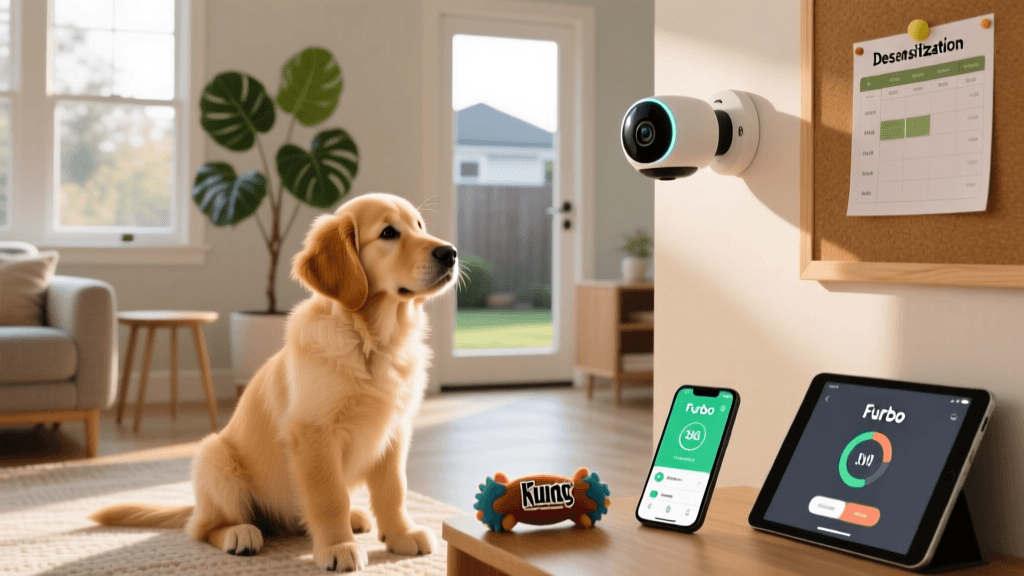
The 2026 iteration of the Furbo 360 Dog Camera has revolutionized how we monitor and interact with puppies during their formative months. Priced around $249, this device offers a 360-degree rotating view, 1080p HD video, and advanced AI bark alerts. More importantly, it features a treat-tossing mechanism that allows you to interrupt a puppy's anxiety spiral remotely. By utilizing the Furbo app, you can speak to your puppy in a calm, soothing voice and toss a treat before their whining escalates into full-blown panic. This real-time intervention helps reinforce quiet, settled behavior even when you are miles away.
Prepping the Kong Classic for Long-Lasting Engagement
While technology allows you to monitor your puppy, the Kong Classic (retailing for about $18 in 2026) provides the necessary tactile and mental stimulation to keep them occupied. The key to using a Kong for separation anxiety is preparation. A loosely stuffed Kong will be emptied in three minutes, leaving your puppy bored and anxious. Instead, layer the toy with high-value, puppy-safe ingredients and freeze it overnight.
- Base Layer: Soaked kibble or plain canned pumpkin puree (ensure it contains no xylitol or spices).
- Middle Layer: Plain Greek yogurt mixed with a small amount of unsalted, xylitol-free peanut butter.
- Topper: A few freeze-dried liver treats or blueberries pushed into the opening to create an immediate reward.
When frozen solid, this Kong can occupy a teething, anxious puppy for 30 to 45 minutes, providing a crucial window of calm as you initiate your departure routine.
4-Week Puppy Alone-Time Desensitization Schedule
Consistency is critical when treating separation distress. The American Kennel Club's crate training protocols emphasize gradual exposure to isolation. Below is a structured 4-week plan utilizing your Furbo and Kong to build your puppy's confidence.
| Week | Duration Alone | Protocol & Tech Integration | Goal |
|---|---|---|---|
| Week 1 | 1 to 5 Minutes | Give frozen Kong. Step out the front door. Monitor via Furbo. Return before puppy finishes Kong and while they are quiet. | Break the association between door closing and immediate panic. |
| Week 2 | 10 to 20 Minutes | Perform 'departure cues' (jingle keys, put on shoes). Give Kong. Leave. Use Furbo to toss a treat if puppy settles after initial sniffing. | Desensitize puppy to pre-departure triggers and extend calm periods. |
| Week 3 | 30 to 45 Minutes | Leave the house. Drive around the block. Monitor Furbo AI alerts. If barking starts, use two-way audio to soothe, then toss a treat when quiet. | Build stamina for longer absences and reinforce self-soothing behaviors. |
| Week 4 | 1 to 2 Hours | Provide two frozen Kongs and a safe chew toy. Leave for a standard errand. Review Furbo playback to identify any subtle stress signals. | Achieve baseline independence for standard daily errands and hybrid work schedules. |
2026 Smart Pet Camera Comparison
While the Furbo is the premier choice for interactive separation anxiety training, it is important to understand how it stacks up against other popular smart home cameras in 2026, especially regarding Matter protocol compatibility and dog-specific AI.
| Camera Model (2026) | Price | Treat Tossing | Dog-Specific AI Alerts | Best For |
|---|---|---|---|---|
| Furbo 360 | $249 | Yes (High Capacity) | Yes (Barking, Vomiting, Activity) | Active separation anxiety intervention and remote engagement. |
| Wyze Cam v4 | $45 | No | Basic Pet Detection | Budget-friendly passive monitoring; lacks interactive soothing. |
| Ring Indoor (2nd Gen) | $60 | No | No (General Motion Only) | Home security integration; not ideal for behavioral training. |
Common Mistakes That Worsen Puppy Anxiety
Even with the best technology and toys, well-meaning owners often inadvertently reinforce separation anxiety. Avoid these critical errors during your training journey:
- Making a Fuss at Departure and Arrival: Saying 'I love you, mommy will be back soon!' in a high-pitched voice spikes your puppy's arousal levels. In 2026, behavioral experts universally recommend the 'ignore method'—leave silently and ignore your puppy for the first five minutes upon returning until they are calm.
- Using the Crate as Punishment: The crate must be a sanctuary, not a jail. If your puppy associates the crate with negative experiences, confining them while you leave will exponentially increase their panic.
- Returning When the Puppy is Crying: If you monitor your puppy on the Furbo and see them crying, wait for a brief three-second pause in the vocalization before tossing a treat or re-entering the room. Returning while they are crying teaches them that noise equals your return.
When to Consult a Veterinary Behaviorist
While the Furbo and Kong protocol is highly effective for mild to moderate distress, severe separation anxiety can be debilitating. If your puppy exhibits signs of self-injury (such as breaking teeth on crate bars or bloody paws from scratching at doors), refuses to eat even high-value treats when left alone, or shows signs of extreme physiological stress (excessive drooling, panting, or loss of bowel control), it is time to seek professional help. A board-certified veterinary behaviorist can assess your puppy and may recommend a temporary regimen of anti-anxiety medication to lower their threshold enough for behavioral modification to take effect. Remember, addressing separation anxiety early in your puppy's first year sets the foundation for a confident, well-adjusted adult dog capable of thriving in any modern living environment.
robin-maitland
All our authors care for dogs every day — read more of their work on the authors page.