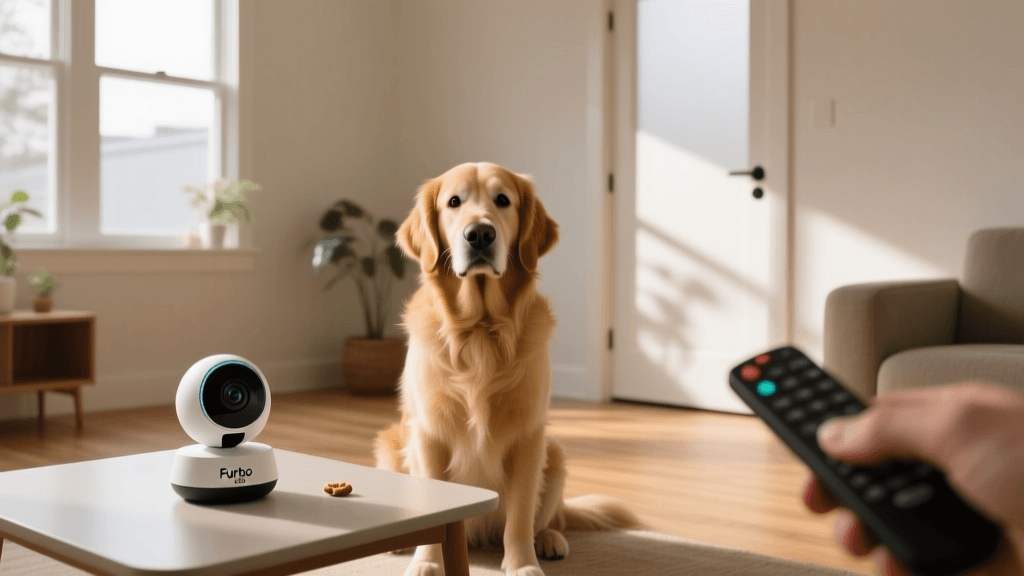
Furbo 360 Safe Space Protocol for Dog Separation Anxiety 2026
Learn the 2026 Furbo 360 safe space desensitization protocol to treat mild canine separation anxiety using micro-departures and counter-conditioning.
Understanding Separation Anxiety vs. Isolation Distress in 2026
As hybrid and return-to-office work models solidify in 2026, veterinary behaviorists are seeing a sustained plateau in canine separation anxiety cases. However, a crucial first step in treating your dog is understanding whether they are suffering from true separation anxiety or mere isolation distress. While the symptoms can overlap, the psychological root and the behavioral treatment protocols differ significantly.
According to the ASPCA's comprehensive guide on canine behavioral issues, true separation anxiety is triggered specifically by the absence of a primary attachment figure. Isolation distress, on the other hand, is a general discomfort with being alone, regardless of who has left. Distinguishing between the two is vital before deploying tech-assisted desensitization.
| Behavior | Separation Anxiety (Hyper-Attachment) | Isolation Distress (Boredom/Lack of Stimulation) |
|---|---|---|
| Vocalization | Continuous howling/whining only when specific person leaves | Barking that stops when distracted or when anyone is home |
| Destruction | Focused on exit points (doors, window frames) or owner's scented items | Indiscriminate chewing on toys, trash, or furniture |
| Elimination | Urinating/defecating in owner's bed or scented areas | Accidents due to lack of potty breaks or general house-training regression |
| Escape Attempts | Frantic scratching at doors/windows causing self-injury | Digging or climbing out of yard due to excess energy |
The Neuroscience of Canine Panic
When a dog with true separation anxiety is left alone, their brain's amygdala triggers a massive fight-or-flight response. Cortisol and adrenaline flood their system, rendering them incapable of learning or relaxing. This is why simply leaving a dog with a puzzle toy often fails; a dog in a state of panic will not eat or play. In 2026, the American Kennel Club emphasizes that treatment must focus on keeping the dog 'under threshold'—meaning below the neurological tipping point where panic sets in.
Leveraging the Furbo 360 as a Behavioral Modification Tool
Historically, pet cameras were passive monitoring devices. You watched your dog suffer, which only increased owner guilt. Today, the Furbo 360 Dog Camera (retailing around $249 in 2026) is utilized by certified separation anxiety trainers (CSATs) as an active counter-conditioning tool. Its 360-degree auto-roaming base and precision treat-tossing mechanism allow owners to deliver high-value reinforcement exactly when the dog remains calm, effectively rewiring the brain's association with being alone.
The 4-Week Furbo 360 Safe Space Desensitization Protocol
This protocol combines the creation of a physical 'safe space' with micro-departures monitored via the Furbo 360. Before beginning, invest in a 4x4-foot indoor exercise pen (approx. $55) and a high-density orthopedic mat ($40). This creates a predictable boundary that reduces environmental overwhelm.
Week 1: Building the Safe Space Baseline
Do not leave the house yet. Spend 15 minutes, three times a day, sitting inside the pen with your dog. Feed them their daily meals inside this space and scatter 2-3mm training treats (like Zuke's Mini Naturals, which cost about $14 per bag in 2026) on a snuffle mat. The goal is to build a deep, positive emotional response to the physical location of the safe space. Use the Furbo 360 to record these sessions from across the room, getting your dog accustomed to the camera's mechanical whirring and the 'treat ready' chime without the pressure of your absence.
Week 2: Micro-Departures and the 3-Second Rule
Begin stepping out of the front door for literally three seconds, then returning. Do not make a fuss when you leave or return. Keep your energy neutral. Use the Furbo app to watch your dog's body language. Are their ears pinned? Are they pacing? If they remain settled on their mat, use the treat-toss feature the moment you walk back inside. If they show signs of stress, your departure was too long or your pre-departure cues (like picking up keys) were too triggering. Break those cues down into smaller pieces.
Week 3: Treat-Toss Counter-Conditioning
Now we utilize the camera's remote capabilities. Step outside and close the door. Watch the live feed. The second your dog lies down and lets out a deep, relaxing sigh (a key canine calming signal), toss a treat via the app. You are marking and rewarding the exact physical manifestation of relaxation. The 2026 Furbo firmware includes AI stress-vocalization alerts; set this up so your phone notifies you if whining begins, allowing you to return before the panic escalates, thus keeping the dog strictly under threshold.
Week 4: Extending Duration and Fading the Tech
Gradually extend your absences from 10 seconds to 30 seconds, then to two minutes, and eventually five minutes. The progression is rarely linear; expect setbacks. As your dog learns that your departures are predictable and safe, begin to 'fade' the treat tossing. Instead of tossing a treat every time they relax, switch to a variable ratio schedule of reinforcement—tossing a treat only every third or fourth relaxation event. This builds resilience and prevents the dog from becoming frustrated if a treat doesn't immediately appear.
Critical Mistakes Owners Make with Smart Cameras
- Punishing via the speaker: Never use the two-way audio to yell at your dog for barking or chewing. This only adds a terrifying, disembodied voice to their already panicked state, worsening the anxiety.
- Tossing treats during a panic attack: If your dog is already pacing, drooling, or howling, do not toss a treat. You risk inadvertently reinforcing the panicked behavior. Only reward calm, settled body language.
- Skipping the pre-departure cue desensitization: Dogs with separation anxiety often trigger when they see you put on shoes or grab keys. You must desensitize these triggers by picking up your keys and then sitting back down on the couch, repeatedly, until the dog no longer reacts.
Pro Tip from 2026 CSATs: Record your dog's baseline resting heart rate and breathing patterns while you are home. Use the Furbo's HD zoom to monitor their chest movements while you are away. A sudden increase in respiratory rate is often the very first physiological indicator of anxiety, occurring minutes before vocalization or destruction begins.
When to Seek Professional Veterinary Help
While the Furbo 360 safe space protocol is highly effective for mild to moderate isolation distress and early-stage separation anxiety, severe cases involving self-injury, escape attempts, or extreme vocalization require professional intervention. In 2026, veterinary behaviorists frequently pair behavioral modification protocols with short-term anti-anxiety medications (such as fluoxetine or trazodone) to lower the dog's baseline arousal levels, making them receptive to learning. Always consult with a licensed veterinarian or a board-certified veterinary behaviorist before starting any medication or intensive behavioral program.
Conclusion
Treating canine separation anxiety requires patience, precise timing, and a deep understanding of your dog's emotional state. By leveraging modern technology like the Furbo 360 not just as a babysitter, but as an active, data-driven counter-conditioning tool, you can systematically rebuild your dog's confidence. Stick to the micro-departure protocol, keep your dog under threshold, and celebrate the small victories. With consistency, your dog can learn that being alone is not a cause for panic, but an opportunity for rest.
anouk-beaumont
All our authors care for dogs every day — read more of their work on the authors page.