Best No-Pull Puppy Harnesses 2026: Front-Clip Guide
Discover the best front-clip no-pull puppy harnesses for 2026. Learn how to fit, train, and stop leash pulling during your pup's crucial first year.
The Biomechanics of Puppy Pulling: Why Collars Are Out in 2026
Welcoming a new puppy into your home is one of life’s greatest joys, but navigating the first year of puppy care comes with distinct challenges. Among the most common hurdles new owners face is leash pulling. While traditional neck collars have been used for decades, modern veterinary biomechanics and 2026 canine behavioral guidelines strongly advise against them for growing puppies. A puppy’s trachea, neck muscles, and cervical spine are incredibly fragile during their first 12 months. When a puppy lunges at a squirrel or another dog, a flat collar concentrates all that kinetic force directly onto the throat, risking tracheal micro-tears and long-term respiratory issues.
Furthermore, according to the American Veterinary Medical Association (AVMA), a puppy's skeletal system is still developing, with growth plates remaining open until they are 12 to 18 months old. Sudden jerking motions caused by collar corrections can negatively impact shoulder and spinal alignment. This is why the front-clip no-pull harness has become the gold standard for early socialization walks and foundational leash training in 2026.
What Makes a True "No-Pull" Harness for Puppies?
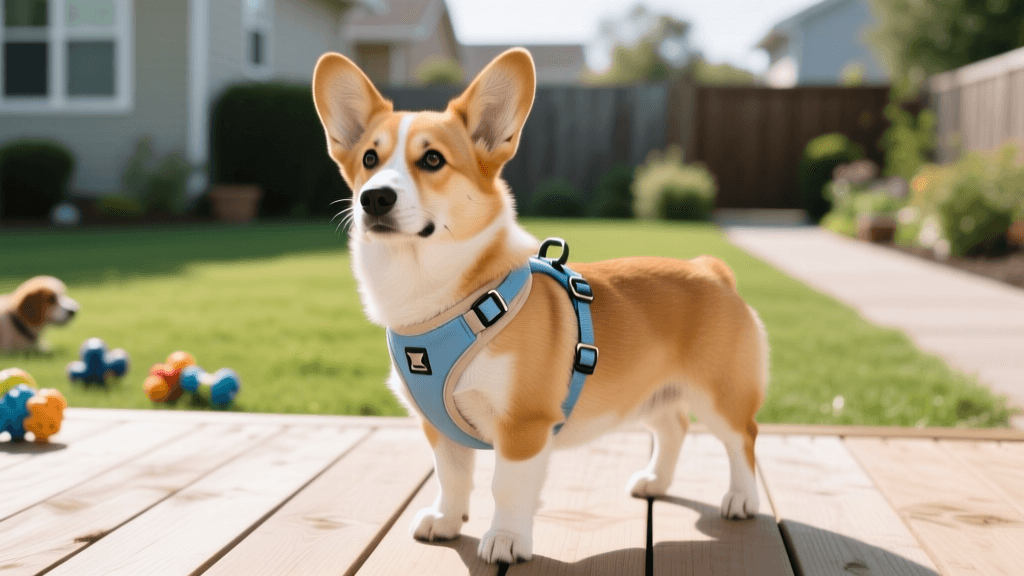
Not all harnesses are created equal. A standard back-clip harness—where the leash attaches between the shoulder blades—actually encourages pulling. It triggers a dog’s natural opposition reflex, allowing them to lean into the pressure like a sled dog. A true no-pull harness features a front-clip D-ring located on the chest strap. When the puppy pulls, the front attachment gently redirects their center of mass sideways, turning them back toward the handler and neutralizing their forward momentum without causing pain or discomfort.
When shopping for a puppy-specific no-pull harness this year, look for these critical features:
- Multi-Point Adjustability: Puppies grow in unpredictable spurts. You need a harness with at least four adjustment points (neck and girth) to accommodate a growing ribcage.
- Breathable, Lightweight Mesh: Puppies overheat faster than adult dogs. Avoid heavy, padded nylon; opt for aerospace-grade breathable mesh that prevents chafing on developing skin.
- Escape-Proof Belly Strap: Puppies are notorious for backing out of gear. A secure, quick-release belly buckle prevents the "Houdini maneuver" when your pup gets spooked.
Top 3 Front-Clip No-Pull Puppy Harnesses for 2026
1. Ruffwear Front Range Puppy Harness (2026 Edition)
Estimated Price: $48.00
Best For: Active breeds and outdoor socialization
The updated 2026 Front Range Puppy model features a specialized, softer chest foam designed specifically for the delicate sternums of dogs under 25 pounds. It includes both a front V-ring and a back webbing loop, allowing you to transition to a back-clip once your puppy has mastered loose-leash walking. The reflective trim is highly visible, making it perfect for early morning or late evening potty-training walks.
2. Kurgo Tru-Fit Smart Puppy Harness
Estimated Price: $36.00
Best For: Deep-chested breeds (like Greyhounds or German Shepherd mixes)
Kurgo’s 2026 smart-fitting system utilizes a nested strap design that contours to a puppy's unique, somewhat awkward adolescent body shape. The front D-ring is mounted slightly lower on the sternum, providing excellent leverage for redirecting strong pullers. It also includes a 10-inch seatbelt tether, making it a fantastic dual-purpose safety harness for car rides to the vet.
3. Blue-9 Balance Harness (Mini/Puppy Edition)
Estimated Price: $52.00
Best For: Fearful puppies and force-free training
Highly recommended by certified behaviorists, the Blue-9 Balance Harness avoids the restrictive Y-strap design that can impede a puppy's natural shoulder extension. It fastens entirely with buckles, meaning you never have to pull the harness over your puppy’s sensitive head or ears—a common trigger for harness aversion during the 8-to-12-week fear period.
2026 No-Pull Puppy Harness Comparison Chart
| Harness Model | Front-Clip | Weight Range | Price (2026) | Best For |
|---|---|---|---|---|
| Ruffwear Front Range Puppy | Yes (V-Ring) | 5 - 25 lbs | $48.00 | Active breeds, outdoor trails |
| Kurgo Tru-Fit Smart Puppy | Yes (Lowered) | 5 - 30 lbs | $36.00 | Deep-chested breeds, car travel |
| Blue-9 Balance Mini | Yes (Dual-Ring) | 4 - 20 lbs | $52.00 | Fearful pups, force-free training |
Step-by-Step Leash Training: Pairing the Harness with Positive Reinforcement
Even the best no-pull harness is just a tool; it does not teach your puppy how to walk. According to the ASPCA's leash training guidelines, combining a front-clip harness with positive reinforcement is the most effective way to build lasting loose-leash habits. Follow these steps during your puppy's first year:
Step 1: Desensitization (Weeks 8-10)
Do not just strap the harness on and head out the door. Let your puppy sniff the harness, then feed them high-value treats (like boiled chicken or freeze-dried liver). Slip the harness on for just 30 seconds while they eat, then take it off. Repeat this until the sight of the harness triggers a happy, wagging response.
Step 2: The "Be a Tree" Method (Months 3-5)
When you are on a walk and your puppy hits the end of the leash and pulls, immediately stop walking. Become as still as a tree. The front-clip harness will gently turn your puppy back toward you. Do not yank the leash. Wait for your puppy to look up at you or take one step back to relieve the tension. The second the leash goes slack, mark the behavior with a "Yes!" and reward with a treat right at the seam of your pant leg to encourage them to stay near you.
Step 3: The U-Turn Technique (Months 6-12)
During the adolescent regression phase, your puppy may become highly distracted by the environment. If they lock onto a distraction and begin to pull, cheerfully say "Let's go!" and execute a 180-degree U-turn. The front-clip harness will safely pivot their body. When they catch up to you and are walking by your side, reward heavily. This teaches the puppy that pulling makes the environment move further away, while staying near you makes good things happen.
"A front-clip harness manages the physical pulling, but it is the handler's timing with rewards that actually rewires the puppy's brain to prefer walking on a slack leash." — 2026 Canine Behavior & Welfare Report
Proper Fitting: The Two-Finger Rule for Growing Pups
An ill-fitting harness can cause severe chafing under the armpits or restrict a puppy's breathing. To properly fit a no-pull harness, you must adhere to the Two-Finger Rule. Once the harness is buckled, you should be able to comfortably slide exactly two fingers under every single strap (neck, chest, and girth). If you can fit three or more fingers, it is too loose and your puppy will likely slip out. If you can only fit one finger, it is too tight and will restrict their expanding ribcage during aerobic play.
Because puppies grow rapidly, you must check the fit of the harness every single week during their first six months, and bi-weekly until they reach their adult size.
Crucial First-Year Milestones and Leash Pressure
Understanding your puppy's developmental stages will help you manage your expectations when using a no-pull harness:
- 8 to 12 Weeks (The First Fear Period): Your puppy may suddenly refuse to walk or panic at the feeling of the harness. Keep walks incredibly short (5-10 minutes) and focus entirely on harness desensitization and backyard exploration.
- 4 to 6 Months (Teething & Pre-Adolescence): Puppies become mouthy and easily frustrated. If they bite the leash, do not play tug-of-war. Carry a chew toy on your walks and redirect their biting energy to the toy rather than the gear.
- 6 to 12 Months (Adolescent Regression): Your previously perfect puppy will suddenly "forget" their leash training as hormonal changes and environmental curiosity peak. Rely heavily on your front-clip harness during this phase to prevent them from practicing the habit of pulling, and increase your reward value to compete with the distractions of the outside world.
Common Harness Mistakes New Owners Make
To ensure your puppy's safety and comfort throughout their first year, avoid these frequent pitfalls:
- Buying a Harness to "Grow Into": Never buy an oversized adult harness for a puppy. Excess material will bunch up under their armpits, causing painful friction burns and altering their natural gait.
- Using a Retractable Leash with a Front-Clip: Retractable leashes maintain constant, light tension on the leash, which teaches the puppy that tension is normal. Furthermore, the heavy plastic handle of a retractable leash can cause serious injury if it snaps back and hits your puppy when attached to a front chest ring. Always use a standard 4-to-6-foot biothane or nylon leash.
- Leaving the Harness On 24/7: Harnesses are for walks and training only. Leaving a harness on an unsupervised puppy is a massive choking hazard, as the straps can easily catch on crate wires, furniture legs, or another dog's jaw during play.
Conclusion
Investing in a high-quality, front-clip no-pull harness is one of the best decisions you can make for your puppy's physical health and behavioral development in 2026. By protecting their delicate trachea and utilizing positive reinforcement training techniques, you are setting the stage for a lifetime of enjoyable, stress-free walks together. Remember that the first year is a marathon, not a sprint. Be patient, keep your treats handy, and enjoy the journey of watching your clumsy pup grow into a confident, well-mannered walking companion.
priya-sutaria
All our authors care for dogs every day — read more of their work on the authors page.