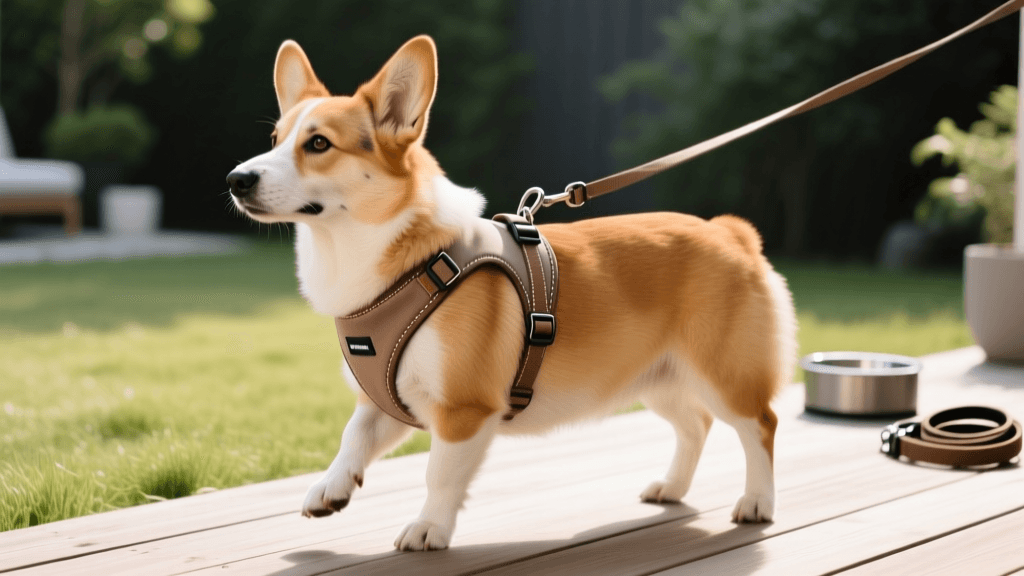
Top No Pull Dog Harnesses for Canine Joint Health 2026
Discover how front-clip no pull dog harnesses impact canine joint health in 2026. Learn veterinary tips for choosing Y-shaped designs to protect shoulders.
The Biomechanics of Dog Walking: Why Harness Choice Matters in 2026
As we navigate the veterinary landscape of 2026, the conversation surrounding canine mobility has shifted dramatically from basic obedience to long-term orthopedic preservation. For decades, the standard flat collar was the default walking tool, but veterinary consensus has firmly moved away from neck-based restraints due to the high risk of tracheal collapse and cervical spine injuries. Enter the no pull dog harness: a tool designed to distribute force across the torso. However, not all harnesses are created equal, and choosing the wrong design can inadvertently cause severe musculoskeletal issues.
Unlike humans, dogs do not have a clavicle (collarbone) that connects their front limbs to their axial skeleton. Instead, a dog's forelimbs are attached entirely by a complex sling of muscles, tendons, and ligaments. This evolutionary trait allows for incredible stride length and speed, but it also means the shoulder joint is highly vulnerable to restrictive pressure. When a dog pulls on a leash, the biomechanical load must be absorbed somewhere. Understanding how different no pull dog harnesses interact with this delicate anatomy is critical for any owner prioritizing their dog's long-term health and wellbeing.
The Orthopedic Breakdown: Front-Clip vs. Back-Clip
The primary mechanism of a no pull dog harness relies on the placement of the leash attachment ring. Back-clip harnesses, while excellent for car safety and brachycephalic breeds, often encourage the 'sled dog' effect. When a dog feels pressure on its back, its natural opposition reflex kicks in, causing it to lean forward and pull harder. This places sustained, heavy loads on the spine and hindquarters.
Front-clip harnesses, conversely, attach the leash at the sternum. When the dog pulls, the tension gently redirects the dog's center of mass back toward the handler, effectively neutralizing the forward momentum without requiring physical force from the owner. According to the American Kennel Club, front-clip designs are highly recommended for training and managing strong pullers because they provide superior control while minimizing neck strain. However, the structural design of the chest straps on these front-clip harnesses dictates whether they are orthopedically safe or detrimental.
The 2026 Veterinary Standard: Y-Shaped No Pull Harnesses
In 2026, veterinary physical therapists and orthopedic specialists universally advocate for the Y-shaped front-clip harness. The 'Y' shape refers to the front straps that go around the dog's neck and down through the front legs, forming a Y-shape over the chest. This design is crucial because it completely clears the scapula (shoulder blade) and the deltoid muscles, allowing for full, unrestricted extension of the front limbs during the gait cycle.
Conversely, older or cheaper T-shaped (or horizontal-strap) harnesses feature a strap that runs horizontally across the dog's chest and shoulders. While these may stop pulling, they act like a tourniquet on the dog's biceps brachii and supraspinatus muscles. Over time, a restrictive horizontal strap alters the dog's natural gait, forcing them to take shorter, choppier strides. This compensatory movement can lead to secondary issues in the elbows, carpal joints, and even the lumbar spine as the dog attempts to shift its weight backward to avoid shoulder discomfort.
Comparison Chart: No Pull Harness Designs and Joint Impact
To help you make an informed decision for your dog's musculoskeletal health, we have compiled a comparison of the most common walking apparatuses based on current 2026 veterinary biomechanical standards.
| Harness Type | Clip Location | Impact on Shoulder Extension | Best Suited For | Veterinary Orthopedic Rating |
|---|---|---|---|---|
| Y-Shaped Front-Clip | Sternum | None (Full Range of Motion) | Strong pullers, large breeds, active dogs | Excellent |
| T-Shaped Restrictive | Sternum | Severe (Limits Forward Stride) | Not recommended for regular use | Poor |
| Standard Back-Clip | Dorsal (Back) | None | Non-pullers, brachycephalic breeds, car travel | Good (but poor for pull training) |
| Head Halter | Snout/Neck | None | Extreme pullers (temporary training aid only) | Fair (Risk of cervical whiplash) |
How to Measure and Fit a No Pull Harness for Optimal Health
Even the most advanced, veterinary-approved Y-shaped no pull dog harness can cause harm if fitted incorrectly. A poorly fitted harness can cause chafing, restrict breathing, or fail to distribute weight properly. Follow this precise fitting protocol:
- Measure the Girth: Use a soft measuring tape to measure the widest part of your dog's ribcage, usually just behind the front elbows. This is the most critical measurement for weight distribution.
- Measure the Lower Neck: Measure the base of the neck where it meets the shoulders. The Y-strap should sit snugly here without pressing against the trachea.
- The Two-Finger Rule: Once the harness is on, you should be able to slide exactly two fingers flat under any strap. If you can fit more, it is too loose and may cause friction burns during sudden movements. If you cannot fit two fingers, it is restricting blood flow and lymphatic drainage.
- Sternum Placement: The front O-ring must sit squarely on the lower sternum (breastbone), not on the soft tissue of the throat or too low on the abdomen.
Signs Your Harness is Causing Musculoskeletal Stress
Dogs are stoic animals and will often mask pain until it becomes severe. As an owner, you must be vigilant for subtle signs that your no pull harness is negatively impacting your dog's physical health. Watch for the following indicators:
- Altered Gait: Notice if your dog is 'paddling' with their front legs or taking noticeably shorter steps when wearing the harness compared to when they are off-leash.
- Post-Walk Stiffness: If your dog is reluctant to jump into the car or climb stairs immediately after a walk, the harness may be causing micro-strains in the shoulder muscles.
- Coat Wear and Chafing: Bald patches or broken hairs behind the elbows or on the chest indicate excessive friction, which is a hallmark of a poorly fitted or structurally flawed harness.
- Reluctance to Have Harness Put On: While some dogs dislike the feeling of something going over their head, persistent avoidance, cowering, or freezing can indicate that the dog associates the harness with physical discomfort.
Behavioral Health: Reducing Leash Reactivity Through Comfort
The intersection of physical health and mental wellbeing is a major focus in modern veterinary behaviorism. Chronic pain or discomfort is a leading, yet frequently overlooked, cause of leash reactivity and aggression. When a dog experiences shoulder pinching from a restrictive harness, their baseline stress levels elevate. The American Veterinary Medical Association emphasizes that addressing underlying physical discomfort is the first step in any behavioral modification plan.
When a dog is in pain, their threshold for environmental triggers (like other dogs, loud noises, or strangers) drops significantly. By upgrading to a properly fitted, Y-shaped no pull dog harness, you remove the physical trigger of shoulder pain. This immediate reduction in physical stress lowers circulating cortisol levels, allowing the dog to process training cues more effectively and remain in a calm, parasympathetic nervous system state during walks. In 2026, holistic dog care means recognizing that behavioral issues are often orthopedic issues in disguise.
Material Innovations for Skin and Joint Protection
The materials used in harness manufacturing have seen significant advancements. For dogs with sensitive skin or those prone to contact dermatitis, the latest 2026 models feature bio-based neoprene and aeromesh linings. These materials wick moisture away from the skin and prevent the bacterial buildup that often occurs in the armpit area during vigorous exercise. Furthermore, the structural webbing of premium no pull harnesses now utilizes high-tensile, biothane-coated nylon, which provides the necessary rigidity to distribute pulling force evenly across the chest plate without stretching or warping over time.
Final Thoughts on Canine Mobility
Investing in a high-quality, Y-shaped front-clip no pull dog harness is an investment in your dog's long-term orthopedic health. By prioritizing designs that respect the natural biomechanics of the canine shoulder and ensuring a meticulous fit, you protect your dog from chronic joint degradation while simultaneously improving your walking experience. Remember to regularly reassess the fit of the harness, especially as your dog ages, gains or loses weight, or experiences changes in muscle mass. A comfortable dog is a healthy dog, and a healthy dog is ready to explore the world by your side for years to come.
robin-maitland
All our authors care for dogs every day — read more of their work on the authors page.