Is Dog Microbiome Testing Worth It? Costs and Benefits
Discover if dog microbiome testing is worth the hype. We break down costs, top kits, and how custom probiotics improve canine gut health and digestion.
The Viral Obsession: Why Social Media is Fixated on Dog Gut Health
If you have spent any time on PetTok or canine Instagram Reels lately, you have likely encountered the viral trend of dog microbiome testing. Influencers and holistic veterinarians are increasingly showcasing at-home fecal testing kits, claiming that the secret to curing everything from chronic ear infections to separation anxiety lies hidden in your dog's gut bacteria. But beyond the flashy unboxing videos and aesthetic supplement jars, what is the actual science? As a pet parent, you want to know if this trend is a legitimate veterinary breakthrough or just another expensive internet fad. In this comprehensive guide, we break down the science, the costs, and the actionable steps you can take to optimize your dog's gut health.
What Exactly is a Canine Microbiome Test?
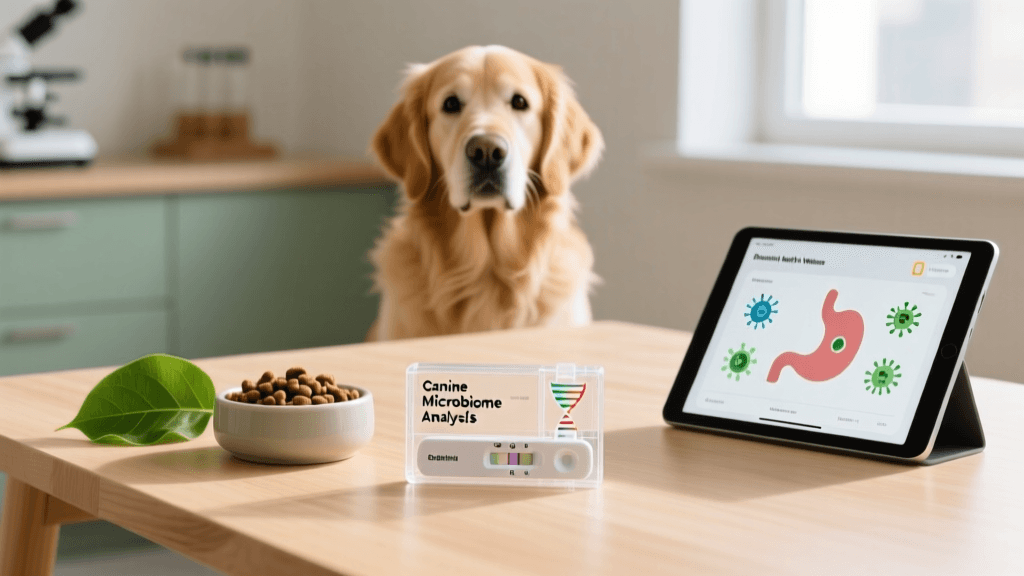
Unlike a standard fecal floatation test performed at your local veterinary clinic—which primarily checks for the presence of parasites like giardia, hookworms, and roundworms—a microbiome test utilizes advanced DNA sequencing (specifically 16S rRNA sequencing) to identify the billions of bacteria living in your dog's gastrointestinal tract. According to research highlighted by the American Kennel Club (AKC), a balanced microbiome is essential for nutrient absorption, immune system regulation, and even the synthesis of vital vitamins.
When your dog's gut flora is out of balance—a condition known as dysbiosis—it can lead to a cascade of health issues. These include inflammatory bowel disease (IBD), chronic diarrhea, excessive flatulence, skin allergies, and even behavioral changes linked to the gut-brain axis. By mapping your dog's unique bacterial fingerprint, these tests aim to provide a customized roadmap for dietary adjustments and targeted probiotic therapies.
The Gut-Brain Axis: More Than Just Digestion
One of the most fascinating aspects of the microbiome trend is its connection to canine mental health. The gut-brain axis is a bidirectional communication network between the central nervous system and the enteric nervous system (the gut). Remarkably, the majority of the body's serotonin—a neurotransmitter responsible for regulating mood and anxiety—is produced in the gastrointestinal tract.
Studies reviewed by the Tufts University Cummings Veterinary Medical Center suggest that dogs suffering from severe anxiety or noise phobias often exhibit distinct differences in their gut microbiota compared to calm, well-adjusted dogs. By introducing specific psychobiotic strains (bacteria that positively influence mental health via the vagus nerve), pet parents are reporting noticeable reductions in pacing, panting, and destructive behaviors during thunderstorms or fireworks.
Step-by-Step: How to Test Your Dog’s Microbiome
If you are ready to explore your dog's inner ecosystem, the process is surprisingly straightforward, though it requires a bit of patience. Here is what you can expect:
- Order a Kit: Purchase an at-home testing kit from a reputable company (e.g., AnimalBiome). Costs typically range from $130 to $160.
- Collect the Sample: Using the provided sterile swab or collection scoop, gather a small, fresh fecal sample. (Yes, you are mailing dog poop—so follow the packaging instructions carefully to avoid leaks).
- Mail and Wait: Send the sample back in the prepaid mailer. Because the lab must sequence the DNA of thousands of bacterial species, results usually take 2 to 4 weeks to process.
- Review the Data: You will receive a digital dashboard showing your dog's 'Diversity Score' and 'Dysbiosis Index,' alongside a breakdown of missing or overgrown bacterial groups.
- Implement the Protocol: Based on the results, the company will recommend specific prebiotics, probiotics, or dietary shifts. Expect to spend an additional $30 to $60 per month on targeted supplements.
Comparison Chart: Testing Kits vs. Viral Probiotic Supplements
Not every dog needs a $150 DNA test. If your dog is generally healthy but experiencing mild digestive upset from a recent course of antibiotics or a stressful move, a broad-spectrum probiotic might be all you need. Below is a comparison of the most popular gut health products currently trending in the pet care space.
| Product / Brand | Type | Estimated Cost | Best For | Key Features & Strains |
|---|---|---|---|---|
| AnimalBiome Gut Health Test | DNA Microbiome Test | $149.00 | Chronic IBD, severe allergies, unexplained GI issues | 16S rRNA sequencing, personalized supplement plans, tracks changes over time |
| Purina Pro Plan FortiFlora | Veterinary Probiotic | $32.00 (30 packets) | Antibiotic recovery, acute diarrhea, picky eaters | Contains Enterococcus faecium SF68, highly palatable powder, vet-recommended |
| Zesty Paws Probiotic Bites | Daily Soft Chew | $28.00 (90 chews) | General maintenance, mild gas, everyday wellness | Contains DE111 Bacillus subtilis and pumpkin, easy to dose, highly viral on TikTok |
| Nutramax Proviable-DC | Multi-Strain Capsule | $38.00 (30 capsules) | Dietary indiscretion, stress-induced colitis | 7 different strains including Lactobacillus and Bifidobacterium, includes prebiotics |
Actionable Diet Tweaks for a Better Microbiome
While supplements are helpful, veterinary nutritionists universally agree that whole-food dietary additions are the most effective way to nourish your dog's gut bacteria. Probiotics introduce new bacteria, but prebiotics (the fiber that feeds the good bacteria) ensure they survive and thrive. Here are three practical, cost-effective additions you can make to your dog's bowl today:
- Plain Canned Pumpkin (Not Pie Filling): Rich in soluble fiber, pumpkin acts as a gentle prebiotic and helps regulate stool consistency. Dosage: 1 teaspoon per 10 lbs of body weight, added to their morning meal.
- Unsweetened Plain Kefir: Unlike regular milk, kefir is fermented and virtually lactose-free, packed with up to 30 diverse strains of beneficial bacteria and yeast. Dosage: 1 tablespoon per 20 lbs of body weight, poured over dry kibble.
- Cooled Bone Broth: Simmered beef or chicken bones (with no onions or garlic) release collagen and gelatin, which help repair the mucosal lining of a 'leaky gut.' Dosage: 2 to 4 ounces as a meal topper or frozen into enrichment lick mats.
When to Skip the Trend and See a Vet
While optimizing gut health is a fantastic preventive measure, it is crucial to recognize when your dog's symptoms require immediate medical intervention rather than an internet supplement. The American Veterinary Medical Association (AVMA) warns that pet owners should never attempt to treat severe gastrointestinal distress at home without a proper diagnosis.
Red Flag Symptoms Include:
- Vomiting or diarrhea lasting more than 24 hours.
- Presence of blood (bright red or dark, coffee-ground appearance) in the stool.
- Lethargy, pale gums, or signs of severe abdominal pain (praying posture).
- Unexplained, rapid weight loss despite a normal appetite.
These symptoms could indicate life-threatening conditions such as Hemorrhagic Gastroenteritis (HGE), parvovirus, foreign body obstruction, or pancreatic insufficiency, all of which require immediate emergency veterinary care.
Final Verdict: Is the Hype Worth the Cost?
So, is dog microbiome testing worth the investment? If your dog is young, active, and producing perfect stools, you can likely skip the expensive DNA test and stick to a high-quality, balanced diet supplemented with occasional whole-food prebiotics like pumpkin or kefir. However, if you are dealing with a dog suffering from chronic, unresolved issues like recurring hot spots, chronic loose stools, or severe food sensitivities that have not responded to standard veterinary diets, a microbiome test can be a game-changer. It removes the guesswork from probiotic selection and provides a data-driven approach to healing your dog from the inside out.
According to veterinary nutritionists, a healthy gut microbiome is not just about firm stools; it is the foundational pillar of your dog's immune system, allergy resistance, and long-term mental wellbeing.
Ultimately, the viral obsession with canine gut health is rooted in solid, evolving science. By combining the insights of modern microbiome testing with practical, whole-food dietary tweaks, you can give your furry best friend the gift of vibrant, lifelong health.
tom-renshaw
All our authors care for dogs every day — read more of their work on the authors page.