Best No-Pull Dog Harnesses For New Dogs In 2026: Top Picks
Discover the best front-clip no-pull dog harnesses for new dogs in 2026. Learn how to measure, fit, and train your new pup for stress-free walks.
The Crucial First Walk: Why Your New Dog Needs a No-Pull Harness
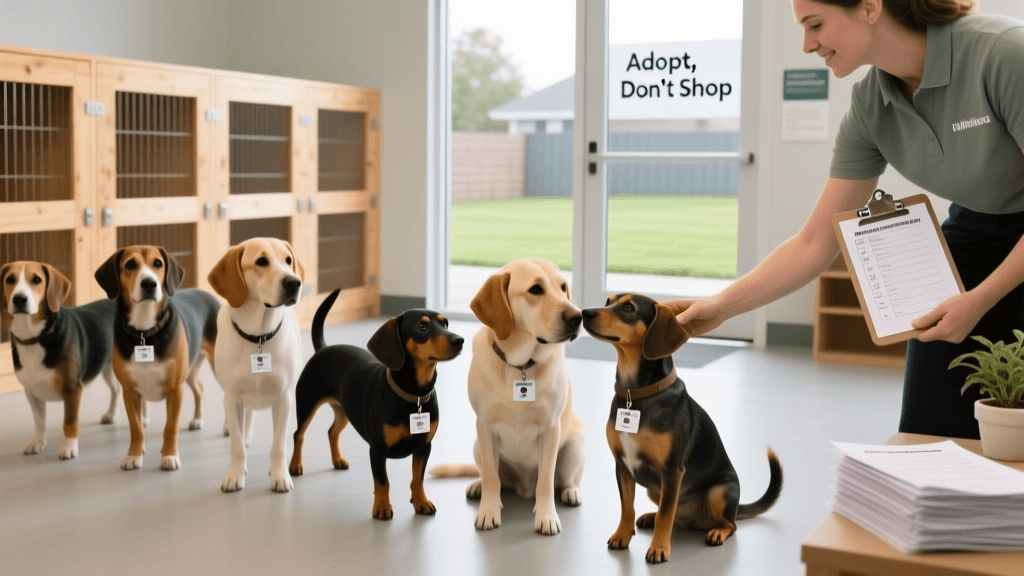
Bringing a new dog home is one of life's most rewarding experiences, but the transition from a shelter or breeder environment to your living room comes with immediate challenges. As we navigate dog ownership in 2026, veterinary behaviorists and professional trainers universally agree that the first few walks are critical for establishing trust and boundaries. If you have just adopted an energetic rescue, a strong working breed, or an excitable puppy, a standard flat collar is rarely sufficient. In fact, relying on traditional neck collars for a dog that hasn't mastered leash manners can lead to severe physical and behavioral issues.
A high-quality no-pull dog harness is not just a walking accessory; it is a fundamental first-day essential. It provides you with control while keeping your new companion safe, comfortable, and secure as they learn to navigate their new world. In this comprehensive guide, we will explore the mechanics of no-pull harnesses, how to choose the right one for your new dog's specific body type, and how to use it effectively during those crucial first weeks together.
The Dangers of Standard Collars for Pullers
Before investing in the right gear, it is vital to understand why traditional collars are falling out of favor for untrained dogs. When a dog pulls on a flat collar, the entirety of the leash's tension is concentrated directly on their trachea, larynx, and cervical spine. Over time, or even during a single sudden lunge at a passing squirrel, this pressure can cause micro-traumas, chronic coughing, or exacerbate conditions like tracheal collapse, which is especially prevalent in smaller breeds.
According to the ASPCA's guidelines on adopting and transitioning a new dog, minimizing stress and physical discomfort during the initial adjustment period is paramount to building a lifelong bond. A dog that experiences pain every time they explore their environment will quickly develop leash reactivity, anxiety, and a negative association with walking. A no-pull harness eliminates this neck strain entirely by distributing the force across the dog's robust chest and shoulder musculature.
How Front-Clip No-Pull Harnesses Actually Work
Not all harnesses are created equal. A standard back-clip harness is excellent for hiking or running with a well-trained dog, but it actually encourages pulling by allowing the dog to lean into their chest and use their full body weight—much like a sled dog. For a new dog learning leash manners, a front-clip harness is the gold standard.
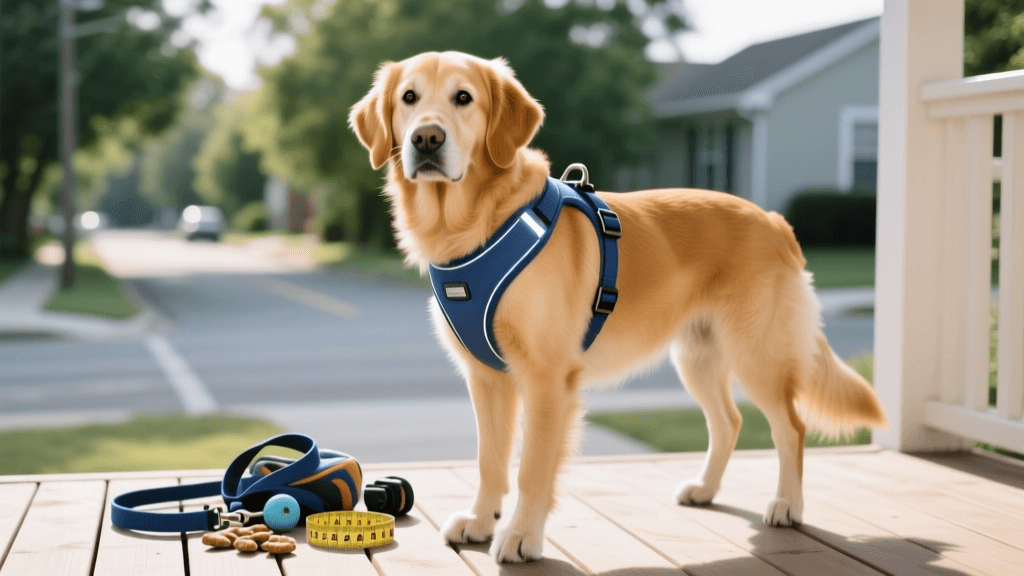
The physics behind a front-clip harness are simple but highly effective. The leash attachment ring is located on the chest strap, right over the dog's sternum. When the dog pulls forward, the tension on the front ring gently redirects their center of gravity sideways or back toward the handler. Instead of moving forward, the dog is naturally turned to face you. This disruption of their forward momentum breaks their focus, stops the pulling behavior without causing pain, and gives you a moment to reward them for re-engaging with you.
Top Harness Features to Look for in 2026
The pet gear industry has evolved significantly, and the best harnesses available in 2026 prioritize both biomechanics and durability. When shopping for your new dog's first harness, ensure the model includes the following modern features:
- Y-Shaped Chest Plate: Avoid harnesses with a horizontal strap that cuts straight across the dog's shoulders. A Y-shape allows for full extension of the shoulder joints, preventing long-term gait issues and chafing.
- Dual-Clip Functionality: The most versatile harnesses feature both a front chest ring and a back ring. This allows you to use the front clip for training in high-distraction areas and the back clip for relaxed sniffing walks once your dog's manners improve.
- Four-Point Adjustability: New dogs, especially rescues, often experience weight fluctuations in their first few months. Harnesses with adjustable neck and girth straps ensure a custom fit that adapts to your dog's changing body.
- Aerospace-Grade Breathable Mesh: Modern 2026 models utilize advanced, lightweight, and breathable mesh linings that prevent overheating and skin irritation, even on hot summer days.
Comparison Chart: Best Harness Styles for New Dogs
To help you make an informed decision, here is a breakdown of the most effective no-pull harness styles currently recommended by canine professionals.
| Harness Style | Best Suited For | Clip Location | 2026 Average Price | Key Advantage |
|---|---|---|---|---|
| Y-Shaped Front-Clip | Puppies, deep-chested breeds (Greyhounds, Setters) | Front Chest Only | $35 - $55 | Maximum shoulder mobility and zero chafing |
| Dual-Clip Padded | Strong pullers, working breeds, reactive rescues | Front Chest & Back | $45 - $75 | Versatility for training and casual walking |
| Step-In Tactical | Barrel-chested breeds (Pugs, Bulldogs), anxious dogs | Front Chest & Back | $40 - $65 | Easy to put on without pulling over the head |
How to Measure Your New Dog for a Perfect Fit
An ill-fitting harness can cause severe chafing or allow a fearful dog to slip out and escape. Before ordering a harness online, take five minutes to measure your new dog using a soft tailor's tape measure.
- Measure the Neck Girth: Wrap the tape around the thickest part of the neck, right where the collar normally sits.
- Measure the Chest Girth: This is the most critical measurement. Wrap the tape around the widest part of the ribcage, usually just behind the front legs.
- Apply the Two-Finger Rule: Once the harness is on, you should be able to comfortably slide two fingers flat between the straps and your dog's skin. Any looser, and they might back out of it; any tighter, and it will restrict breathing and movement.
Step-by-Step: Introducing the Harness on Day One
Many new owners make the mistake of simply strapping the harness onto a nervous rescue dog and immediately heading out the door. This can trigger panic. The American Kennel Club emphasizes positive reinforcement when introducing new gear to ensure the dog views it as a predictor of good things.
The Desensitization Process
Start indoors. Place the harness on the floor and let your dog sniff it, rewarding them with high-value treats like boiled chicken or freeze-dried liver. Next, hold the harness open and lure their head through the neck hole with a treat, immediately praising them. Do not clip the straps yet. Repeat this over a few hours. Once they are comfortable, clip the straps, give them a long-lasting chew toy or a lick mat, and let them wear it around the house for 15-minute intervals before ever attaching a leash.
Breed-Specific Considerations for Harness Shopping
Dog breeds come in drastically different shapes, and a universal harness rarely fits all body types perfectly. If you have adopted a specific breed or mix, keep these anatomical quirks in mind:
- Deep-Chested Breeds (e.g., Great Danes, Dobermans, Whippets): These dogs have narrow waists and deep chests. Look for harnesses with a dedicated 'sighthound' or 'deep-chest' fit, which feature a wider belly band to prevent the harness from shifting forward and rubbing their armpits.
- Barrel-Chested Breeds (e.g., French Bulldogs, Boston Terriers): These dogs have wide ribcages and short necks. Step-in harnesses or those with highly adjustable neck openings are essential, as pulling a tight loop over their broad heads can cause stress.
- Double-Coated Breeds (e.g., Huskies, German Shepherds): Thick fur can easily mat under friction. Ensure the harness has smooth, rolled edges or neoprene padding to protect their undercoat from severe tangling and hot spots.
Common Mistakes New Owners Make in 2026
Even with the best gear, human error can hinder progress. Avoid these common pitfalls during your dog's first month:
1. Relying Solely on the Harness: A front-clip harness is a management tool, not a magic cure. It prevents the dog from practicing pulling, but it does not teach them to walk politely. You must pair the harness with active training, rewarding your dog heavily when they walk with a loose leash by your side.
2. Leaving the Harness On 24/7: Harnesses should only be worn during walks or active training sessions. Leaving them on unsupervised can lead to the straps catching on furniture or crate doors, posing a severe strangulation hazard. Furthermore, constant wear traps moisture against the skin, leading to bacterial infections.
3. Using Retractable Leashes: Pairing a no-pull harness with a retractable leash sends mixed signals. The harness teaches the dog that tension means they should stop and turn, while a retractable leash requires the dog to pull to create tension to get more line. The Humane Society strongly recommends using a standard 4-to-6-foot fixed-length leash for all foundational training to maintain consistent communication and physical control.
Final Thoughts on Starting Your Journey
The decision to bring a dog into your life is a commitment to their physical health and emotional well-being. Equipping yourself with a properly fitted, front-clip no-pull harness before your new dog even steps through the front door sets the stage for a harmonious relationship. By prioritizing your dog's anatomical safety and utilizing modern, force-free training tools, you transform the daily walk from a stressful battle of strength into a joyful, bonding experience. Take the time to measure, desensitize, and train, and you will be rewarded with a confident, happy companion by your side for years to come.
robin-maitland
All our authors care for dogs every day — read more of their work on the authors page.