Best No-Pull Dog Harnesses For Strong Pullers In 2026: Top Picks
Discover the best front-clip and dual-clip no-pull dog harnesses for strong pullers in 2026. Learn expert fitting tips for comfortable, choke-free urban walks.
The Evolution of the No-Pull Harness in 2026
Life with a strong-pulling dog in a bustling urban environment can feel less like a leisurely stroll and more like a competitive sled dog race. As we navigate the busy sidewalks, crowded dog parks, and expanding outdoor cafe spaces of 2026, the demand for ergonomic, escape-proof, and genuinely effective no-pull dog harnesses has never been higher. Traditional flat collars place dangerous pressure on a dog’s trachea and cervical spine, while standard back-clip harnesses can actually encourage pulling through the opposition reflex. Enter the modern front-clip and dual-clip no-pull harness. In this comprehensive guide, we will explore the biomechanics of these life-saving tools, review the top models available this year, and provide a step-by-step fitting and training guide to transform your daily walks from a chore into a joy.
The Biomechanics of Pulling: Front-Clip vs. Dual-Clip
To understand why a no-pull harness works, we first have to understand why dogs pull. When a dog feels pressure on their chest or neck from a standard collar or back-clip harness, their natural instinct is to push against that pressure. This is known as the opposition reflex. It is the same instinct that allows sled dogs to pull heavy loads. By moving the leash attachment point to the front of the chest, we completely change the biomechanics of the walk.
How Front-Clip Mechanics Redirect Your Dog
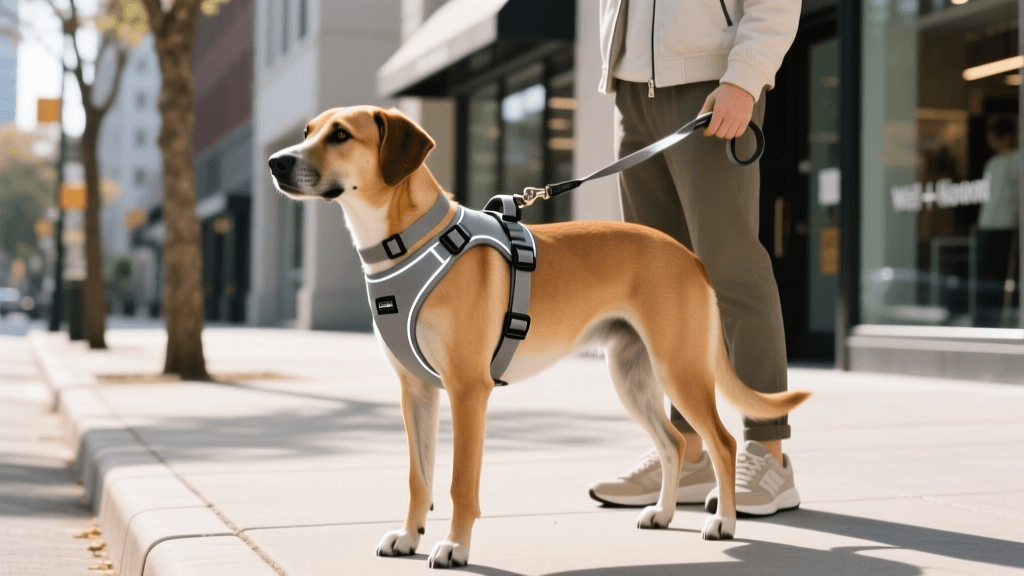
When a dog pulls on a front-clip harness, the tension on the leash gently redirects their center of gravity back toward the handler. Instead of moving forward, the dog is turned slightly sideways, effectively neutralizing their forward momentum without causing pain or choking. This physical redirection breaks the dog's focus and encourages them to check in with you.
The Versatility of Dual-Clip Harnesses
In 2026, dual-clip harnesses have become the gold standard for professional trainers and dedicated pet owners. These harnesses feature both a front D-ring on the chest and a back D-ring between the shoulder blades. The front clip is used for active training and managing heavy pulling in high-distraction environments, while the back clip is perfect for relaxed sniffaris, hiking, or attaching to a car's seatbelt tether.
Top No-Pull Harness Models for 2026
The market has seen significant innovations in materials this year, with brands introducing aerospace-grade breathable meshes, vegan leather accents, and recycled ocean plastics. Below is a comparison of the top-performing no-pull harnesses for strong pullers currently available.
| Brand & Model (2026) | Clip Type | Best For | Est. Price |
|---|---|---|---|
| Ruffwear Front Range (2026 Update) | Dual-Clip | All-day wear, hiking, active breeds | $45.95 |
| Kurgo Tru-Fit Smart Harness | Dual-Clip | Car travel, deep-chested breeds | $34.99 |
| Rabbitgoo Pro Series No-Pull | Dual-Clip | Budget-friendly, everyday urban walks | $23.99 |
| Blue-9 Balance Harness | Dual-Clip | Custom fitting, barrel-chested dogs | $52.00 |
Detailed Breakdown of Top Picks
Ruffwear Front Range (2026 Update): The latest iteration of this beloved harness features an upgraded, wider chest plate made from recycled materials that distribute pressure more evenly across the sternum. The front D-ring has been reinforced with anodized aluminum to withstand the sudden lunges of powerful breeds like German Shepherds and Rottweilers.
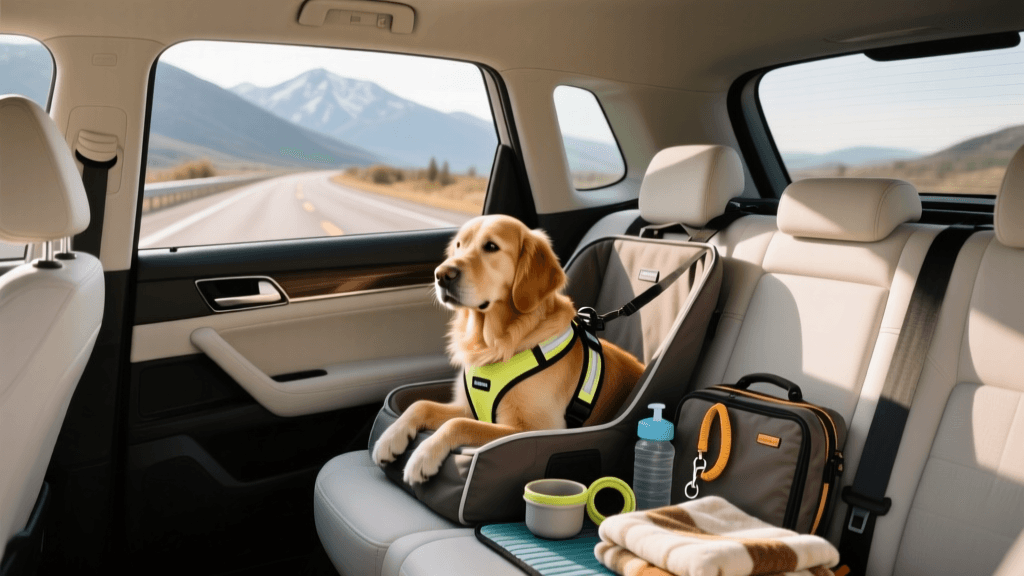
Kurgo Tru-Fit Smart Harness: Designed with the same engineering principles as rock-climbing gear, the Kurgo Tru-Fit remains a top choice for dogs that ride in cars. Its crash-tested steel nesting buckles and padded chest plate make it ideal for deep-chested breeds prone to escaping standard harnesses.
Blue-9 Balance Harness: For dogs with difficult-to-fit body shapes, such as French Bulldogs or Corgis, the Blue-9 Balance offers six points of adjustment. This ensures the harness sits perfectly clear of the shoulder joints, allowing for a full range of motion without chafing.
How to Properly Fit a No-Pull Harness on a Strong Puller
Even the most expensive, highly-rated harness will fail if it is not fitted correctly. A poorly fitted harness can cause severe chafing, restrict breathing, or allow a determined dog to slip out and bolt into traffic. Follow these steps to ensure a safe, comfortable fit.
Step 1: Measure the Girth, Not the Weight
Never buy a harness based solely on your dog's weight. Two 50-pound dogs can have drastically different body shapes. Use a soft tailor's measuring tape to measure your dog's girth. Wrap the tape around the widest part of the ribcage, usually just behind the front legs. Add two inches to this measurement for comfort.
Step 2: The Two-Finger Rule
Once the harness is on, you should be able to slide exactly two fingers flat between the harness straps and your dog's body at any point. If you can fit more than two fingers, the harness is too loose and poses an escape risk. If you cannot fit two fingers, the harness is too tight and will restrict blood flow or cause skin irritation.
Step 3: Check the Shoulder Clearance
Observe your dog from the front while they are standing naturally. The chest plate of the harness should rest flat against the sternum and should not dig into the armpits or restrict the forward extension of the shoulder blades. If the straps are riding up into the armpits, adjust the neck strap to pull the entire harness higher on the chest.
Pro Tip: Never attach a long-line or retractable leash to the front-clip of a no-pull harness. The sudden, high-velocity jerk from a running dog can damage the D-ring or cause the harness to twist uncomfortably across the sternum. Always use the back-clip for long-line training.
Training Your Dog to Walk on a Front-Clip Harness
A no-pull harness is a management tool, not a magic cure. While it physically prevents your dog from dragging you down the street, you must pair it with positive reinforcement training to teach your dog the concept of loose-leash walking. According to the American Kennel Club, consistency and rewarding the desired behavior are the most critical components of leash training.
The Stop-and-Go Method
When your dog hits the end of the leash and creates tension, stop walking immediately. Do not yank the leash or pull the dog back. Simply become a tree. Wait for your dog to look back at you, take a step back, or release the tension on the leash. The exact second the leash goes slack, mark the behavior with a clicker or a verbal 'Yes!' and reward with a high-value treat. Resume walking. This teaches the dog that tension on the leash acts as a brake, while a loose leash acts as an accelerator.
Redirection and Reward Techniques
Urban environments in 2026 are full of distractions, from delivery robots to other dogs. When you see a known trigger approaching, proactively ask your dog for an incompatible behavior, such as a 'touch' (hand target) or 'watch me.' The ASPCA emphasizes that keeping your dog under their stress threshold and rewarding them for choosing to engage with you rather than the environment will build long-term loose-leash habits. Feed treats at the seam of your pants to keep your dog's head positioned near your leg, reinforcing the 'heel' position naturally.
Maintenance and Care for Your Harness
Strong pullers put immense stress on the stitching and hardware of their gear. To ensure your harness remains safe and effective throughout 2026 and beyond, perform a monthly safety inspection. Check the nylon webbing for fraying, examine the D-rings for signs of metal fatigue or bending, and ensure the buckles snap securely. Most modern harnesses are machine washable; place the harness in a mesh laundry bag and wash it on a gentle cycle with a mild, pet-safe detergent. Air drying is highly recommended to preserve the integrity of the reflective threading and plastic hardware. By combining the right biomechanical tool with patient, reward-based training, you and your dog can look forward to years of safe, comfortable, and joyful adventures together.
robin-maitland
All our authors care for dogs every day — read more of their work on the authors page.