Top No Pull Dog Harnesses for 2026: First-Day Gear
Preparing to bring home a strong pup? Discover the best front-clip no pull dog harnesses for 2026 to ensure safe, stress-free first walks together.
The Day-One Dilemma: Preparing for a Strong Breed
Bringing a new dog home is one of the most exciting milestones in a person's life. Whether you are adopting a muscular mixed-breed rescue, picking up an energetic Labrador Retriever puppy, or welcoming a powerful German Shepherd into your family, your preparation list is likely extensive. You have probably already researched the best orthopedic beds, sourced high-protein kibble, and puppy-proofed your living room. However, the most critical first-day essential that many new owners overlook until they are standing on the sidewalk being dragged down the block is a proper no pull dog harness.
When getting a dog, especially a strong or high-drive breed, day-one gear dictates the foundation of your future walks. Relying on a standard flat collar or a traditional back-clip harness for a dog that has not yet learned leash manners is a recipe for frustration, physical injury, and behavioral setbacks. In 2026, the market for canine walking gear has evolved significantly, offering advanced ergonomic designs and sustainable materials that prioritize both safety and comfort. Choosing the right no pull dog harness before you even bring your new companion home is the single best investment you can make for your mutual walking experience.
The Biomechanics of Pulling: Why Collars Fail on Day One
To understand why a no pull dog harness is a non-negotiable first-day essential, we must look at canine anatomy. A dog's neck houses delicate structures, including the trachea, esophagus, and thyroid gland. When a dog pulls against a flat collar, the localized pressure on the trachea can lead to severe coughing, gagging, and in severe cases, tracheal collapse—a condition particularly prevalent in smaller breeds but possible in any dog that pulls with enough force.
Even for large, thick-necked breeds, the sudden jerking motion caused by a dog hitting the end of a leash attached to a collar can cause cervical spine misalignments and nerve damage. According to veterinary guidelines and resources provided by the ASPCA, utilizing the appropriate walking gear is fundamental to your dog's long-term physical health and behavioral development. A well-fitted harness distributes the kinetic energy of a pull across the dog's broad chest and sternum, completely bypassing the vulnerable neck area and allowing your new dog to breathe easily while they learn how to walk by your side.
Why the Front-Clip Design is Non-Negotiable in 2026
Not all harnesses are created equal. A standard back-clip harness, where the leash attaches between the dog's shoulder blades, is excellent for hiking or running with a trained dog, but it actually encourages pulling. It triggers a dog's natural 'opposition reflex'—the instinct to pull against pressure—which is why sled dogs wear back-clip harnesses. If you put a back-clip harness on an untrained rescue dog on their first day home, you are essentially giving them the mechanical advantage to tow you down the street.
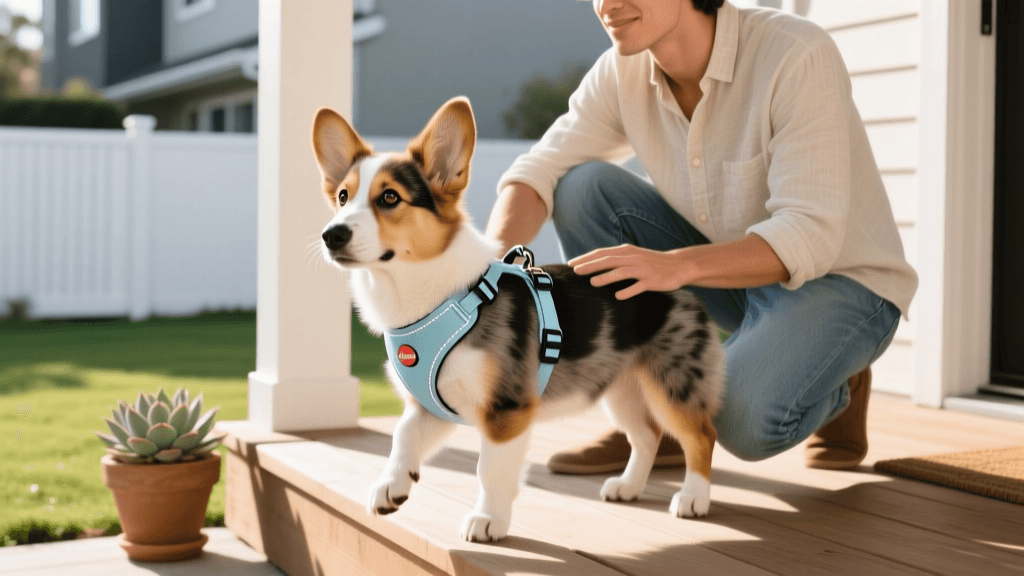
The solution is a front-clip no pull dog harness. By placing the leash attachment point on a reinforced ring located on the dog's sternum, the physics of the walk change entirely. When the dog surges forward and hits the end of the leash, the front attachment point gently pivots their chest and shoulders back toward the handler. This naturally redirects their momentum, breaks their forward focus, and discourages pulling without causing pain or relying on aversive choking methods. In 2026, the best harnesses feature dual-clip systems, allowing you to use the front clip for training and the back clip for relaxed outings once manners are established.
Top 4 No-Pull Dog Harnesses for Your First Day Home
With hundreds of options on the market, selecting the right gear can be overwhelming. Here are the top-rated no pull dog harnesses for 2026 that are perfect for the critical first days and weeks of dog ownership.
1. Ruffwear Front Range Harness (2026 Eco-Update)
The Ruffwear Front Range remains a gold standard for new dog owners. The 2026 iteration features updated foam padding constructed from recycled ocean-bound plastics, offering exceptional comfort without sacrificing durability. It features a reinforced aluminum V-ring on the chest for no-pull training and a second aluminum ring on the back for when your dog masters loose-leash walking. The four points of adjustment ensure a custom fit for barrel-chested breeds like Pit Bulls or Greyhounds, preventing the chafing that cheaper harnesses often cause in the armpit area.
2. Kurgo Tru-Fit Smart Harness
If your first day with your new dog involves a long car ride home from a distant rescue or breeder, the Kurgo Tru-Fit is the ultimate dual-purpose tool. It features a front-clip D-ring for no-pull walking, but its standout feature is its crash-tested design. It comes with a 10-inch seatbelt tether that loops through the back handle, keeping your new dog securely restrained in the vehicle. The nested steel buckles are incredibly robust, making it ideal for powerful breeds that tend to chew through plastic clips.
3. 2 Hounds Design Freedom No-Pull Harness
This harness is a favorite among professional dog trainers and behaviorists. It features a unique Swiss velvet lining on the inside of the straps, which completely eliminates the armpit chafing that plagues many new harness users. The 2026 model includes a patented martingale loop on the back that tightens slightly to prevent escape artists from backing out of the gear, while the front O-ring provides the steering control needed for heavy pullers. It is an excellent choice for anxious rescue dogs who might try to slip their gear on the first day home.
4. Rabbitgoo No-Pull Dog Harness
For new owners on a budget who still refuse to compromise on safety, the Rabbitgoo harness offers incredible value. It features a sturdy front metal clip, reflective strips for low-light visibility during evening walks, and a breathable mesh lining that prevents overheating in the summer months. While the hardware may not be as heavy-duty as the Kurgo or Ruffwear, it is more than sufficient for medium-sized breeds and puppy training during those crucial first months of ownership.
2026 Harness Comparison Chart
| Harness Model | Front Clip | Best Feature | Ideal For | Est. 2026 Price |
|---|---|---|---|---|
| Ruffwear Front Range | Yes (Aluminum) | Eco-friendly padding | All-day comfort & active breeds | $45.00 |
| Kurgo Tru-Fit | Yes (Steel) | Crash-tested car tether | Car travel & strong pullers | $38.00 |
| 2 Hounds Freedom | Yes (O-Ring) | Velvet anti-chafe lining | Escape artists & sensitive skin | $42.00 |
| Rabbitgoo No-Pull | Yes (Alloy) | Budget-friendly reflectivity | Puppies & medium breeds | $22.00 |
How to Measure Your Rescue or Puppy Before Pickup
One of the most common mistakes new owners make is guessing their dog's harness size based on weight alone. A 50-pound Bulldog has a vastly different chest girth than a 50-pound Whippet. To ensure your no pull dog harness is ready for day one, you must acquire accurate measurements before bringing the dog home.
If you are adopting from a shelter, ask the staff to measure the dog for you using a soft tailor's tape measure. If you are picking up a puppy from a breeder, ask for the measurements of the parents or the puppy's current girth. You need two critical measurements:
- Neck Girth: Measure around the thickest part of the neck, right where the collar naturally sits. Ensure you can slip two fingers between the tape and the skin.
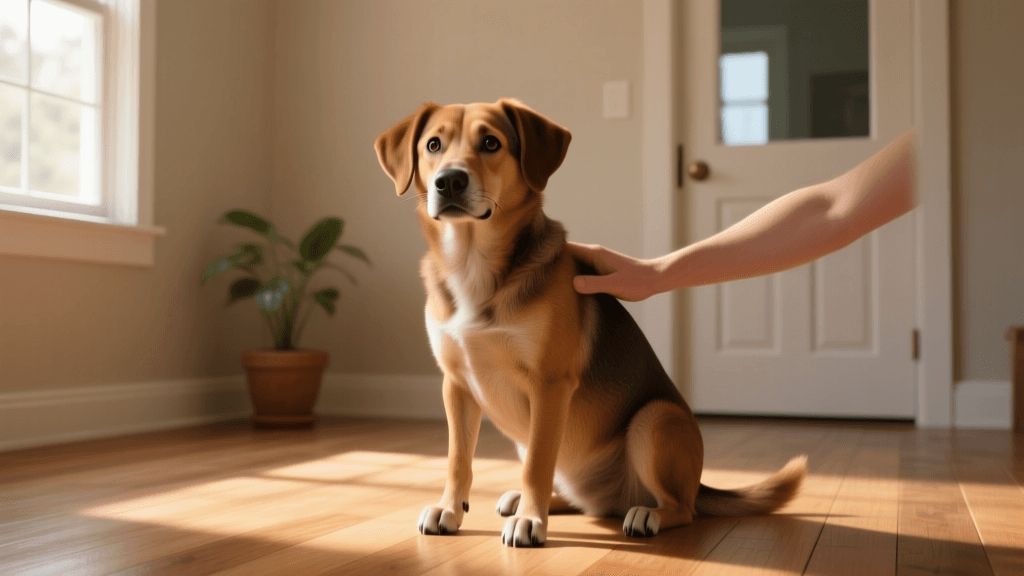
- Chest Girth: This is the most crucial metric. Measure around the widest part of the dog's ribcage, usually just behind the front legs. Again, use the two-finger rule to ensure the harness will not restrict breathing or movement.
When in doubt between two sizes, always size up for a front-clip harness. A harness that is too tight will cause chafing and make your dog associate the gear with discomfort, ruining your first-day training efforts.
First-Day Leash Training Protocol
Having the best no pull dog harness is only half the equation; how you use it on day one sets the precedent for the next decade of walks. The American Kennel Club (AKC) strongly recommends positive reinforcement and redirection techniques over punitive measures when teaching loose-leash walking.
When you clip the leash to the front chest ring on your first walk, employ the 'Red Light, Green Light' method. The moment your dog surges ahead and the leash goes taut, stop walking immediately (Red Light). Do not yank the leash; simply become a tree. The front-clip harness will naturally turn your dog's chest back toward you. Wait for them to look at you or take a single step backward to create slack in the leash. The second the leash is loose, mark the behavior with a cheerful 'Yes!' and begin walking again (Green Light).
Pair this with high-value treats. Keep small pieces of boiled chicken or freeze-dried liver in a treat pouch at your hip. Reward your dog every time they choose to walk within a two-foot radius of your leg. By combining the mechanical advantage of a 2026 front-clip no pull dog harness with consistent, positive reinforcement, you transform the chaotic first-day walk into a foundational bonding experience, setting the stage for a lifetime of enjoyable adventures with your new best friend.
robin-maitland
All our authors care for dogs every day — read more of their work on the authors page.