Force-Free Puppy Potty Bell Training Routines For 2026
Master force-free puppy potty training in 2026 with our step-by-step bell training routine. Build positive habits without punishment or scolding.
Introduction to 2026 Force-Free Potty Training Standards
Welcome to the modern era of puppy care. As we navigate through 2026, the days of rubbing a puppy's nose in an accident, using aversive shock collars, or scolding a confused dog are firmly in the past. Today, veterinary behaviorists and certified professional dog trainers universally agree that positive reinforcement and force-free methods are the gold standard for housebreaking. Puppies learn best when they feel safe, engaged, and rewarded for making the right choices. In this comprehensive guide, we will explore the highly effective, force-free puppy potty bell training routine that is taking the dog care world by storm this year.
Why Punishment Fails: The Science of Puppy Brains
Before diving into the bell training routine, it is crucial to understand why force-free methods work and why aversive techniques fail. A puppy's brain is highly impressionable during the first year of life. When you punish a puppy for an indoor accident, they do not associate the punishment with the act of eliminating; instead, they associate it with you. This leads to 'submissive urination' and a puppy who will hide behind furniture to relieve themselves, making potty training significantly harder.
According to ASPCA's house-training guidelines, positive reinforcement builds a clear line of communication. By rewarding the puppy immediately after they eliminate in the correct outdoor spot, you create a positive emotional response. The puppy learns that holding their bladder until they are outside results in high-value rewards, thereby accelerating the learning process without inducing fear or anxiety.
Essential Gear for Positive Potty Training in 2026
Setting up your environment for success is half the battle. You do not need expensive gadgets, but you do need the right tools to support a force-free methodology. Here is the essential gear checklist for this year:
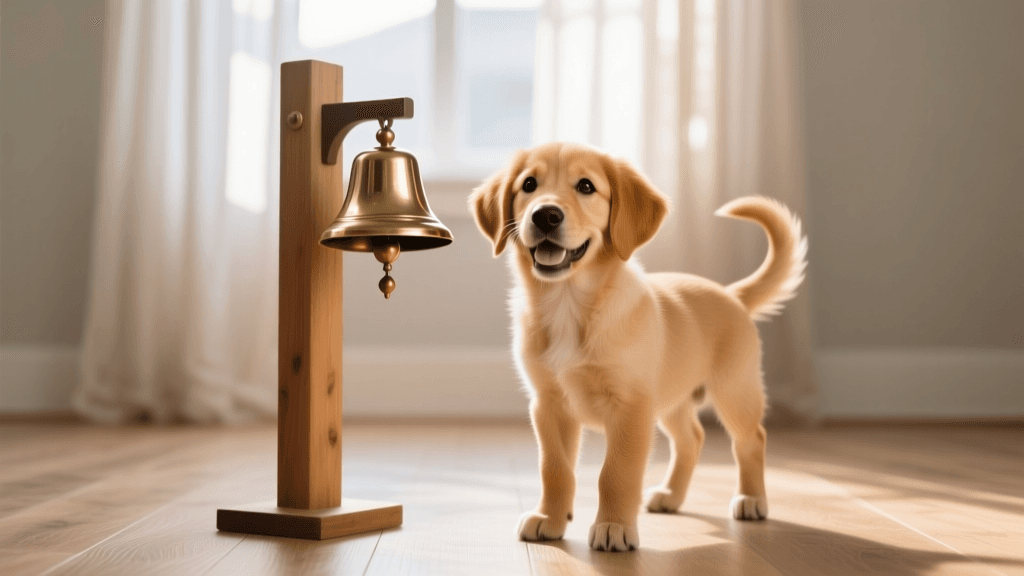
- Potty Bells: The Mighty Paws Potty Bells are a top choice for 2026. They feature a heavy-duty nylon strap and extra-loud, jingling bells that are easy for a small puppy to activate with their nose or paw.
- High-Value Training Treats: Standard kibble will not cut it for potty training. You need 'jackpot' rewards. Stella & Chewy's Freeze-Dried Raw Bites or Zuke's Mini Naturals are excellent, aromatic choices that puppies find irresistible.
- Enzymatic Cleaner: Accidents will happen. Rocco & Roxie Professional Strength Stain & Odor Eliminator uses natural enzymatic bacteria to completely break down uric acid crystals, ensuring the puppy is not drawn back to the same spot.
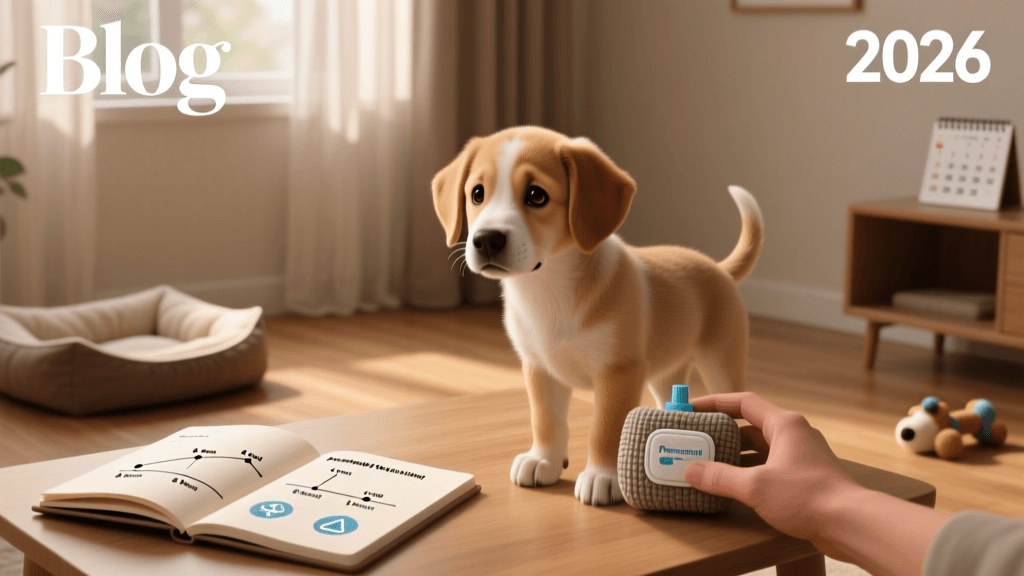
- Clicker or Marker Word: A standard i-Click clicker or a consistent verbal marker like 'Yes!' helps pinpoint the exact moment the puppy performs the desired behavior.
Step-by-Step Force-Free Bell Training Protocol
Bell training empowers your puppy to communicate their biological needs to you, bridging the gap between their developing bladder control and your awareness. Follow these force-free steps to establish a reliable ringing routine.
Step 1: Targeting and Shaping the Bell Interaction
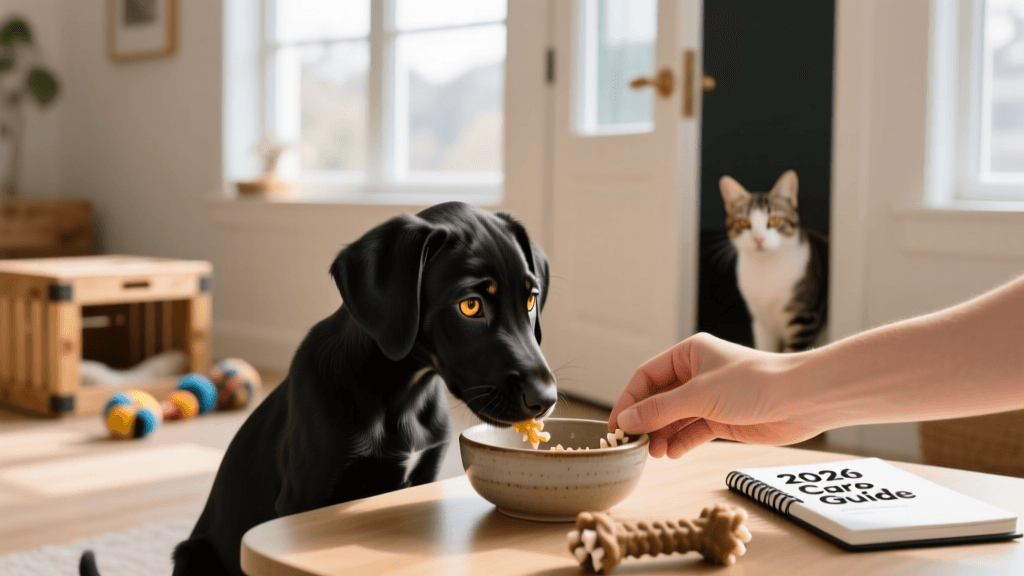
Hang the bells on the door handle you primarily use for potty breaks. For the first few days, your only goal is to teach the puppy that touching the bell yields a reward. Smear a tiny amount of dog-safe peanut butter or cream cheese on the bells. When the puppy sniffs or licks the bell, making it jingle, immediately click your clicker (or say 'Yes!') and give them a high-value treat from your hand. Repeat this 10 to 15 times per session until the puppy intentionally boops the bell with their nose or paw to get the treat.
Step 2: Pairing the Sound with the Door Opening
Once the puppy is reliably ringing the bell for a treat, change the contingency. Now, the bell ringing makes the door open. When the puppy rings the bell, do not hand them a treat immediately. Instead, say 'Yes!', open the door, and step outside with them. If they do not need to potty, simply wait outside for two minutes and go back in. This teaches them that the bell is a 'doorbell,' not a 'treat dispenser.'
Step 3: The Outdoor Reward Party
When you step outside after a bell ring, give your puppy a designated potty cue, such as 'Go potty.' The moment they finish eliminating outdoors, throw a 'reward party.' Click your marker, offer three to four pieces of high-value freeze-dried raw treats, and offer enthusiastic verbal praise. According to the Humane Society's positive reinforcement resources, immediate and lavish rewards outdoors are the key to cementing lifelong potty habits.
Environmental Management: Playpens and Crate Training
Force-free training relies heavily on management. If a puppy has access to the entire house before they are fully housebroken, they will make mistakes. Use a wire crate or a canvas playpen to restrict their access when you cannot actively supervise them. Puppies naturally avoid soiling their sleeping areas, which leverages their denning instincts positively. When you are actively supervising, keep the puppy tethered to you with a hands-free leash or keep them in the same room using baby gates. This prevents them from wandering off to a spare bedroom to have an accident.
Puppy Bladder Control & Training Timeline
It is vital to have realistic expectations regarding a puppy's physical development. A two-month-old puppy simply does not have the sphincter muscle control of a six-month-old dog. Use the table below to guide your 2026 potty training schedule.
| Puppy Age | Max Bladder Capacity | Expected Bell Reliability | Force-Free Action Plan |
|---|---|---|---|
| 8 - 10 Weeks | 1 - 2 Hours | Low (Accidents Expected) | Focus on shaping bell touches; carry puppy outside every hour. |
| 11 - 14 Weeks | 2 - 3 Hours | Moderate (Starting to Ring) | Reward outdoor eliminations heavily; manage playpen time strictly. |
| 4 - 6 Months | 4 - 6 Hours | High (Reliable Ringing) | Phase out peanut butter lures; monitor for 'false alarm' ringing. |
| 6 - 12 Months | 6 - 8+ Hours | Very High (Fully Trained) | Maintain occasional jackpot rewards to keep the behavior strong. |
Troubleshooting: When Your Puppy Rings for Play
A common hurdle in bell training is the 'false alarm.' Your puppy learns that ringing the bell opens the door and leads to the fun backyard. They may start ringing it every ten minutes just to go play. To handle this force-free, implement the 'Two-Minute Rule.' When the puppy rings, take them out on a leash. Stand in one boring spot in the yard for exactly two minutes. If they do not eliminate, say 'All done,' and bring them back inside. Do not scold them; simply make the outcome of a false ring incredibly boring. They will quickly learn that the bell only works for bathroom breaks, not for playtime.
Conclusion
Raising a well-adjusted, house-trained puppy in 2026 is entirely achievable without raising your voice or using outdated, punitive methods. By utilizing potty bells, high-value rewards, and strict environmental management, you are setting your puppy up for success. Force-free bell training not only saves your carpets but also deepens the bond of trust between you and your new best friend. Stay consistent, celebrate the small victories, and enjoy the journey of positive puppy parenthood.
priya-sutaria
All our authors care for dogs every day — read more of their work on the authors page.