Diagnosing and Solving Severe Dog Resource Guarding
Learn why dogs resource guard, how to diagnose the severity of the behavior, and step-by-step solutions to build trust and stop food aggression.
The Psychology Behind Resource Guarding
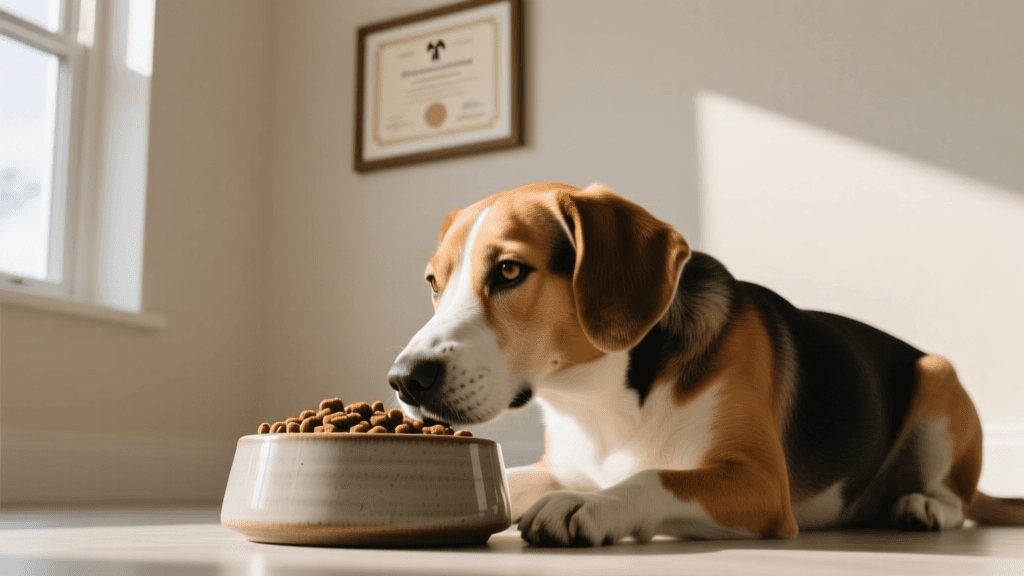
Resource guarding is one of the most misunderstood behaviors in canine psychology. When a dog stiffens over a bone, growls when you approach their food bowl, or snaps if you try to take a stolen sock, many owners mistakenly label the dog as 'dominant' or 'spiteful.' However, modern behavioral science tells a different story. Resource guarding is a deeply ingrained, natural survival instinct. In the wild, canines that successfully guarded scarce, high-value resources like food, mates, and safe resting spots were the ones that survived to pass on their genetics.
According to the ASPCA, resource guarding occurs when a dog perceives that a valuable item is under threat of being taken away. This 'scarcity mindset' is particularly prevalent in rescue dogs or those from multi-dog households where competition for food was a daily reality. The behavior is driven by the amygdala—the brain's fear and threat-assessment center. When a dog guards a resource, they are not trying to assert dominance over you; they are experiencing genuine anxiety that a vital resource will be lost. Understanding this psychological baseline is the first critical step in diagnosing the problem and implementing effective, compassionate solutions.
Diagnosing the Severity: Reading Canine Body Language
Before you can solve resource guarding, you must accurately diagnose its severity. Dogs rarely bite 'out of nowhere.' Instead, they follow a predictable escalation ladder, offering subtle appeasement and warning signals long before a bite occurs. Punishing these early warning signs (like growling) is incredibly dangerous, as it teaches the dog to skip the warnings and go straight to biting. The Fear Free Pets initiative emphasizes that recognizing these micro-expressions is vital for keeping everyone safe.
Below is a diagnostic chart to help you identify where your dog falls on the resource guarding escalation ladder:
| Stage | Canine Body Language | Human Action Required |
|---|---|---|
| Stage 1: Early Warning | Lip licking, yawning, 'whale eye' (showing whites of eyes), sudden stiffening, eating faster. | Stop approaching immediately. Give the dog space and assess the environment for stressors. |
| Stage 2: Active Warning | Hard, unblinking stare, low rumbling growl, hovering body tightly over the item. | Do not punish or reach for the item. Toss a high-value treat from a safe distance to create positive association. |
| Stage 3: Escalation | Loud growling, baring teeth, curling lips, snapping at the air (warning bites). | Calmly leave the room. Do not attempt to take the item. Implement strict management protocols. |
| Stage 4: Critical | Lunging, making physical contact, biting that breaks or bruises skin. | Ensure immediate safety. Muzzle train the dog and consult a certified professional behaviorist. |
Management vs. Modification: Where to Start
When dealing with a dog at Stage 2 or higher, training (modification) must be paired with strict environmental management. Management prevents the dog from rehearsing the unwanted behavior, which keeps the neural pathways associated with guarding from growing stronger. It also prevents human injury.
Essential Management Tools and Costs
- Freestanding Pet Gates: Use a 30-to-36-inch tall hardware-mounted or freestanding gate to separate the dog from high-traffic areas during meals. Cost: $40 to $80.
- Enrichment Feeders: Replace standard bowls with Kong Classic toys (Cost: $15-$20) or Snuffle Mats (Cost: $20-$30). These keep the dog occupied in a designated safe zone, like a crate or a gated pen, reducing the urge to patrol and guard.
- Environmental Sweeps: Commit to a daily 'sweep' of your home to pick up high-value contraband (shoes, children's toys, dropped food) before the dog can claim and guard them.
Step-by-Step Solutions for Food and Object Guarding
Once management is in place, you can begin Desensitization and Counter-Conditioning (DS/CC). The goal is to change the dog's emotional response from 'They are coming to steal my treasure' to 'Their approach means I get something even better.'
Step 1: The Proximity Protocol
Start by finding your dog's 'threshold distance'—the exact distance at which they notice you but do not show any Stage 1 or Stage 2 warning signs. For some dogs, this is 10 feet; for others, it is across the room. While the dog is eating a low-value meal (like standard kibble), stand at this threshold distance. Every few seconds, toss a high-value treat (like freeze-dried beef liver, which costs about $15 for a 10oz bag) toward their bowl. Do not make eye contact, and do not speak. Simply toss the treat and walk away. Repeat this for 5 minutes per meal. Over several weeks, decrease the distance by one foot, provided the dog remains relaxed.
Step 2: The 'Trade-Up' Game
Never forcibly pry an item from a guarding dog's mouth. Instead, teach them that giving up an item is highly profitable. The American Kennel Club recommends the 'Trade-Up' method to build voluntary cooperation.
- Offer a low-value toy: Give your dog a toy they care about, but not their absolute favorite.
- Present the bribe: Hold a piece of boiled chicken or hot dog (worth far more than the toy) near their nose.
- The Drop: The moment they drop the toy to eat the food, say your marker word (like 'Yes!' or 'Drop it').
- The Return: After they finish the treat, give the toy back. This is crucial. If you always take the toy away permanently, the dog will learn the trick and eventually refuse to drop it. By returning it 80% of the time, you build immense trust.
Step 3: Hand-Feeding and Bowl Exercises
For dogs that guard empty bowls (a sign of severe spatial anxiety), remove the bowl entirely for two weeks. Feed the dog their daily kibble allotment exclusively by hand during training sessions, or scatter it in the grass for 'sniffari' enrichment. When you reintroduce the bowl, place it empty on the floor. Walk by and drop a handful of premium food into it as you pass. This teaches the dog that human hands approaching the bowl act as a dispenser, not a vacuum.
When to Call a Professional
While mild to moderate resource guarding (Stages 1 and 2) can often be managed and improved by dedicated owners, severe guarding requires professional intervention. If your dog has progressed to Stage 3 or 4, or if they guard multiple unpredictable items (like dust bunnies or shadows), it is time to hire a professional.
Seek out a Certified Professional Dog Trainer (CPDT-KA) or a member of the International Association of Animal Behavior Consultants (IAABC). Expect to pay between $150 and $250 per hour for in-home behavior consultations. A professional will help you implement a customized safety plan, teach you how to properly condition your dog to wear a Baskerville Ultra Muzzle (Cost: $20-$25), and guide you through the intricate timing required for counter-conditioning. Remember, resource guarding is a symptom of anxiety, not malice. With patience, precise management, and positive reinforcement, you can help your dog feel secure enough to finally share their world with you.
beth-carrasco
All our authors care for dogs every day — read more of their work on the authors page.