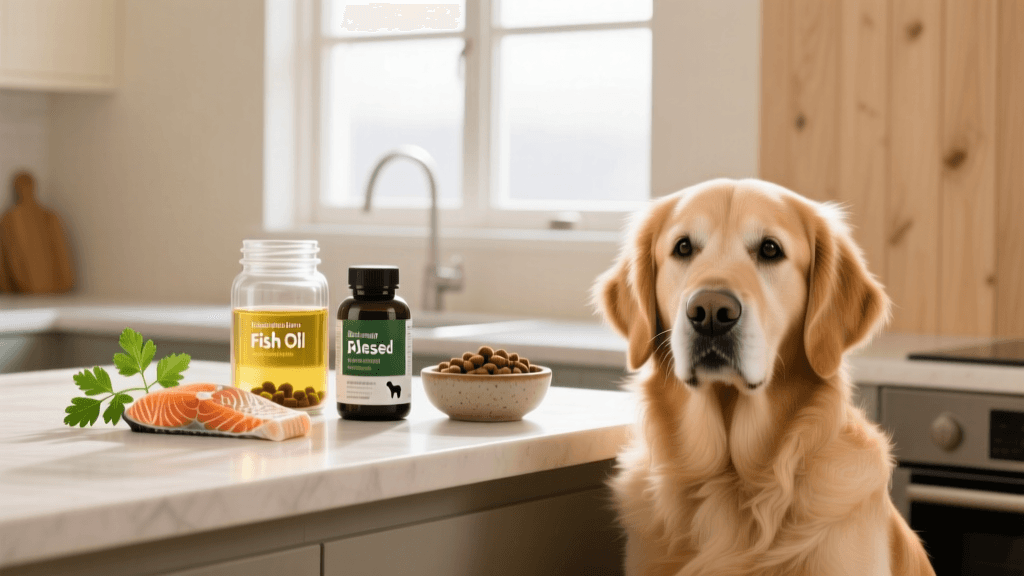
Best Omega-3 Dog Supplements 2026: Top Picks & Dosage Guide
Discover the best Omega-3 supplements for dogs in 2026. Learn exact dosages, storage tips, and how to add fish or algae oil to your dog's daily diet.
The 2026 Guide to Omega-3 Fatty Acids for Canine Health
As we navigate 2026, the focus on canine longevity and healthspan has never been more prominent in the pet care community. Among the myriad of supplements available, Omega-3 fatty acids remain a cornerstone of veterinary nutritional science. Whether you are managing a senior dog's joint stiffness, trying to soothe a puppy's allergic skin reactions, or simply aiming to maintain a lustrous coat, integrating a high-quality Omega-3 source into your dog's daily routine is one of the most impactful decisions you can make. However, the supplement landscape has evolved significantly. With rising concerns over ocean sustainability and advancements in marine biotechnology, dog owners now have more choices than ever, particularly between traditional wild-caught fish oils and cutting-edge marine algae alternatives.
In this comprehensive guide, we will break down the science of Omega-3s, compare the leading sources available this year, provide exact dosage calculations, and share practical tips for seamlessly incorporating these essential fats into your dog's daily feeding schedule. According to the World Small Animal Veterinary Association (WSAVA), ensuring your pet receives the correct balance of fatty acids is critical for managing systemic inflammation and supporting cellular health across all life stages.
The Science of Omega-3s: EPA and DHA Explained
When discussing Omega-3s for dogs, we are primarily concerned with two long-chain fatty acids: Eicosapentaenoic acid (EPA) and Docosahexaenoic acid (DHA). These are the biologically active forms of Omega-3s that provide direct health benefits. EPA is largely responsible for managing inflammation throughout the body, making it a vital nutrient for dogs suffering from osteoarthritis, inflammatory bowel disease, or severe allergies. DHA, on the other hand, is crucial for neurological development in puppies and cognitive maintenance in aging dogs, supporting retinal function and brain health.
A common mistake made by well-meaning pet owners is relying on plant-based sources of Omega-3, such as flaxseed oil, which contains Alpha-linolenic acid (ALA). While ALA is a precursor to EPA and DHA, the canine body lacks the efficient enzymatic pathways required to convert ALA into usable EPA and DHA in significant quantities. Therefore, direct sources of EPA and DHA—namely marine fish and algae—are strictly necessary to achieve therapeutic benefits for your dog.
Fish Oil vs. Algae Oil: The 2026 Sustainability Shift
For decades, fish oil derived from salmon, sardines, anchovies, and krill has been the undisputed king of canine Omega-3 supplements. However, 2026 has seen a massive surge in the popularity and availability of marine algae oil. Algae is actually the primary producer of Omega-3s in the marine food web; fish accumulate EPA and DHA simply by consuming algae or smaller fish that have eaten algae. By sourcing directly from algae, manufacturers bypass the marine food chain, resulting in a product that is inherently free from oceanic heavy metals and microplastics.
Below is a comparison chart to help you decide which format best suits your dog's needs and your ethical preferences this year.
| Feature | Wild-Caught Fish Oil | Marine Algae Oil |
|---|---|---|
| Primary Source | Fish tissue or liver (e.g., salmon, sardine) | Cultivated marine microalgae |
| EPA to DHA Ratio | Naturally balanced, often higher in EPA | Can be tailored, often higher in DHA |
| Sustainability | Moderate (requires careful fishery management) | Exceptional (lab-grown or closed-tank harvested) |
| Contaminant Risk | Low (if molecularly distilled and third-party tested) | Virtually Zero (controlled growing environment) |
| Sensory Profile | Strong fishy odor and taste | Mild, earthy, or virtually odorless |
| 2026 Price Trend | Moderate and stable | Premium, but decreasing as production scales |
For picky eaters who reject the strong scent of traditional fish oil, the neutral profile of algae oil is proving to be a game-changer in multi-pet households where food sensitivities and aversions are common.
Calculating the Correct Dosage for Your Dog
Dosing Omega-3s is not a one-size-fits-all scenario. The therapeutic dose depends heavily on your dog's body weight and their specific health goals. The general veterinary consensus for maintaining general health, coat quality, and baseline anti-inflammatory support is approximately 50 to 75 milligrams of combined EPA and DHA per kilogram of body weight. For dogs actively battling severe joint disease or chronic inflammatory conditions, veterinarians may recommend pushing this dosage closer to 100 milligrams per kilogram.
To help you integrate this into your daily routine, here is a structured dosage guide based on the standard 50-75 mg/kg maintenance threshold. Always check the label of your specific supplement to see how many milligrams of EPA and DHA are provided per pump or capsule, as total oil volume does not equal active Omega-3 content.
- Small Dogs (10 lbs / 4.5 kg): 225 to 340 mg of combined EPA/DHA daily.
- Medium Dogs (25 lbs / 11.3 kg): 565 to 850 mg of combined EPA/DHA daily.
- Large Dogs (50 lbs / 22.7 kg): 1,135 to 1,700 mg of combined EPA/DHA daily.
- Giant Breeds (80 lbs / 36.3 kg): 1,815 to 2,720 mg of combined EPA/DHA daily.
It is highly recommended to consult with your primary veterinarian before initiating high-dose therapeutic regimens, especially if your dog is on blood-thinning medications or preparing for surgery, as high levels of Omega-3s can have a mild anticoagulant effect.
Integrating Omega-3 into Your Dog's Daily Feeding Routine
Consistency is the most critical factor in seeing results from Omega-3 supplementation. Because these fatty acids are incorporated into cell membranes over time, sporadic dosing will not yield the desired anti-inflammatory or dermatological benefits. Here is a step-by-step approach to building a foolproof daily routine in 2026.
Step 1: Choose the Right Format
Liquid pump bottles are generally the most cost-effective and easily adjustable format for dogs of all sizes. They allow you to precisely dial in the dosage based on the calculations above. Capsules are excellent for travel or for dogs that are highly sensitive to the texture of oil on their kibble, but they require you to pierce the softgel and squeeze the contents over food. Omega-3 infused chews are popular, but they often contain lower concentrations of active EPA/DHA and may include unnecessary fillers or calories.
Step 2: Pair with Dietary Fats
Omega-3s are fat-soluble. To maximize absorption in your dog's gastrointestinal tract, the supplement should be administered alongside a meal that contains some dietary fat. If you feed a low-fat prescription diet, consider adding a small spoonful of plain, unsweetened pumpkin or a few drops of coconut oil to the meal to act as a carrier for the Omega-3s.
Step 3: Establish a Visual Cue
Keep the supplement bottle in the same location as your dog's regular food storage, rather than hiding it in the refrigerator door where it can be forgotten. If the product requires refrigeration (which most high-quality liquid oils do), place a bright visual reminder, like a silicone band around the bottle, so you remember to pull it out during meal prep.
Common Mistakes to Avoid
Even the most dedicated pet parents can fall into common traps when supplementing their dog's diet. The American Kennel Club frequently warns against using human-grade Omega-3 supplements for dogs. Human supplements often contain flavorings like lemon or orange oil, which can cause severe gastrointestinal upset in canines. More dangerously, some human gummies or liquid formulations contain xylitol (birch sugar), a sweetener that is highly toxic and potentially fatal to dogs.
Another frequent error is ignoring the oxidation status of the oil. Omega-3 fatty acids are highly unstable and prone to rancidity when exposed to light, heat, and oxygen. Feeding rancid oil to your dog does more harm than good, as it introduces free radicals into their system and exacerbates the very inflammation you are trying to treat. Always perform the 'sniff test' before serving. While fish oil naturally smells like the ocean, it should never smell sharply sour, metallic, or like rotting fish. If it does, discard it immediately.
Storage and Freshness Protocols for 2026
To protect your investment and your dog's health, strict storage protocols must be followed. Once opened, liquid fish and algae oils must be refrigerated at temperatures between 35°F and 38°F (1.5°C to 3.5°C). Always purchase oils packaged in dark amber or opaque UV-protected bottles, and avoid clear plastic containers entirely.
Furthermore, pay close attention to the inclusion of antioxidants in the ingredient list. Top-tier brands in 2026 will include mixed tocopherols (Vitamin E) or rosemary extract to naturally preserve the oil and delay oxidation. According to nutrition experts at the Tufts Cummings School of Veterinary Medicine, verifying the presence of these antioxidants and checking for third-party purity certifications (like the IFOS 5-star rating for fish oils) are non-negotiable steps for responsible pet owners.
Monitoring Your Dog's Response and Timeline
Patience is required when introducing Omega-3s to your dog's regimen. You will not see overnight miracles. For dermatological issues like dry skin, flaking, or mild allergic itching, you should begin to notice a softer, shinier coat and reduced scratching within 4 to 6 weeks of consistent daily dosing. For joint mobility and cognitive support, the timeline is longer; it typically takes 8 to 12 weeks for the fatty acids to fully saturate the cell membranes and exert their maximum anti-inflammatory effects on joint tissues.
During the first two weeks, monitor your dog's stool quality. A sudden influx of dietary fats can cause temporary loose stools or mild diarrhea. If this occurs, simply halve the target dose for the first week to allow their digestive enzymes to adapt, then gradually titrate back up to the full recommended dosage. By following these precise, science-backed guidelines, you can harness the full power of Omega-3s to ensure your dog thrives throughout 2026 and beyond.
tom-renshaw
All our authors care for dogs every day — read more of their work on the authors page.