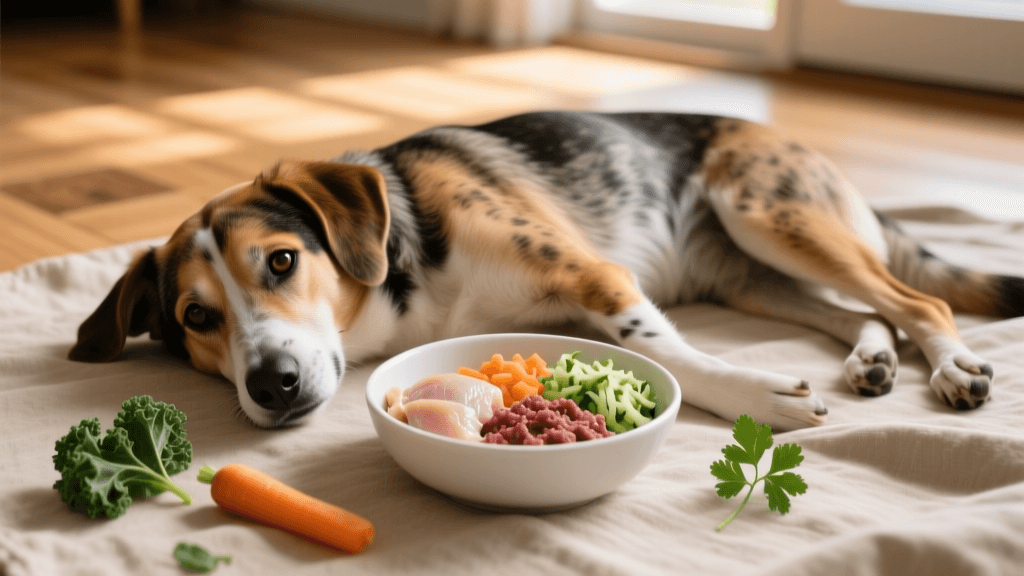
2026 Raw Diet Transition Guide for Newly Adopted Dogs
Learn how to safely transition your newly adopted rescue dog to a fresh raw diet in their first week home with our step-by-step 2026 feeding guide.
Welcome Home: Setting the Nutritional Foundation
Bringing a newly adopted dog home is one of the most exciting milestones in your life, but the first 30 days are critical for establishing long-term health and behavioral baselines. In 2026, a growing number of dog owners are bypassing traditional ultra-processed kibble in favor of raw, fresh, and alternative diets. Whether you have adopted a resilient mixed-breed rescue or a purebred puppy, transitioning to a species-appropriate raw diet during their first week home can dramatically improve gut microbiome diversity, reduce systemic inflammation, and stabilize energy levels.
However, the transition period requires meticulous planning. A sudden dietary shift can cause gastrointestinal upset, especially in rescue dogs who have experienced chronic stress or poor nutrition in shelter environments. This comprehensive 2026 guide provides a precise, actionable protocol for safely introducing a fresh raw diet to your newly adopted dog.
The 2026 Landscape of Fresh and Raw Feeding
The pet nutrition landscape in 2026 looks vastly different than it did even a few years ago. Advancements in High-Pressure Processing (HPP) and cold-chain logistics have made commercial raw diets safer and more accessible than ever. HPP technology uses extreme water pressure to neutralize pathogens like Salmonella and Listeria without applying heat, thereby preserving the delicate enzymes and water-soluble vitamins that are typically destroyed during the extrusion process of kibble manufacturing.
Furthermore, research continues to validate the benefits of fresh feeding. Studies from the University of Helsinki DogRisk Research Group have consistently demonstrated that feeding a raw, minimally processed diet during a dog's early life significantly decreases the incidence of chronic enteropathies and allergic skin conditions later in life. Despite these benefits, board-certified veterinary nutritionists, such as those at Tufts University Cummings Veterinary Medical Center, emphasize that raw diets must be meticulously balanced to avoid severe calcium-to-phosphorus imbalances and micronutrient deficiencies.
Preparing Your Kitchen and Freezer
Before your new dog crosses the threshold, you must prepare your kitchen for safe raw food handling. According to the U.S. Food and Drug Administration (FDA), safe handling of raw pet food is paramount to protect both your pet and your human family members from zoonotic bacterial transmission.
- Dedicated Prep Area: Designate a specific stainless steel cutting board and a set of silicone bowls exclusively for your dog's raw meals.
- Freezer Space: Invest in a 5.0 cubic foot chest freezer. In 2026, energy-efficient inverter chest freezers are affordable and essential for storing bulk raw proteins and bone-in meats safely at -10°F (-23°C) to halt parasite life cycles.
- Cleaning Protocols: Stock up on a food-grade hydrogen peroxide surface cleaner and enzymatic dish soaps to thoroughly sanitize prep surfaces after every meal.
The 10-Day Transition Protocol for Rescue Dogs
Rescue dogs often have compromised gut linings due to stress, previous low-quality diets, or parasite loads. A 10-day gradual transition is the gold standard for 2026 raw feeding. Below is a structured protocol for a 50-pound adult dog. Adjust portions proportionally based on your dog's ideal body weight (typically feeding 2% to 2.5% of their target body weight daily, split into two meals).
| Day | Morning Meal | Evening Meal | Supplements & Additions |
|---|---|---|---|
| 1-2 | 75% Shelter Kibble, 25% Commercial HPP Raw (Chicken) | 75% Shelter Kibble, 25% Commercial HPP Raw | 1 tsp plain canned pumpkin, soil-based probiotic |
| 3-4 | 50% Kibble, 50% HPP Raw | 50% Kibble, 50% HPP Raw | 1/2 tsp wild Alaskan salmon oil, probiotic |
| 5-6 | 25% Kibble, 75% HPP Raw | 25% Kibble, 75% HPP Raw | 1 tsp salmon oil, digestive enzymes |
| 7-8 | 100% Commercial HPP Raw (Complete & Balanced) | 100% Commercial HPP Raw | 1 tsp salmon oil, probiotic |
| 9-10 | 80% HPP Raw, 20% Raw Meaty Bones (e.g., Duck Necks) | 100% HPP Raw with fresh organic blueberries | Full supplement stack, monitor stool closely |
Days 1-4: The Gut Stabilization Phase
During the first few days, the goal is not to completely overhaul the diet, but to introduce the novel proteins and natural enzymes found in raw food. The shelter kibble provides a familiar, starchy base that slows down the digestive transit time, preventing immediate diarrhea. Soil-based probiotics (spore-forming strains like Bacillus coagulans) are crucial here to outcompete opportunistic bacteria in the gut.
Days 5-8: Full Raw Integration
By day five, the kibble is largely phased out. You should be feeding a commercially prepared, AAFCO-compliant complete and balanced raw diet. In 2026, brands utilizing regenerative agriculture sourcing and transparent supply chains are the preferred choice. Monitor your dog's stool; it should become noticeably smaller, firmer, and less odorous as the digestibility of the fresh food takes effect.
Days 9-10: Introducing Raw Meaty Bones
Once the dog's digestive system has adapted to the raw muscle meat and organ blends, you can introduce raw meaty bones (RMBs) for dental health and mental enrichment. Start with soft, consumable bones like raw duck necks or quail. Never feed cooked bones, as they become brittle and pose a severe gastrointestinal perforation risk.
Essential Supplements for the First 30 Days
Even the most meticulously formulated commercial raw diets can benefit from targeted supplementation during the stressful first month of adoption. Focus on these three pillars:
- Omega-3 Fatty Acids (EPA/DHA): Crucial for mitigating the inflammatory response caused by environmental and dietary stress. Dose: 30mg per pound of body weight daily.
- Vitamin E (Mixed Tocopherols): Omega-3 oxidation requires adequate Vitamin E to prevent cellular damage. Dose: 2 IU per pound of body weight.
- Bovine Colostrum: Rich in immunoglobulins and proline-rich polypeptides, colostrum helps seal a leaky gut lining often seen in stressed rescue dogs. Dose: 1/4 teaspoon per 25 lbs of body weight.
Hydration and Bone Broth Integration
One of the most significant advantages of a fresh raw diet over extruded kibble is the inherent moisture content. Kibble typically contains only 5% to 10% moisture, whereas raw meat and organs contain upwards of 70%. This natural hydration supports kidney function and urinary tract health, which is especially vital for rescue dogs who may have experienced chronic dehydration or stress-induced urinary issues in shelter environments.
During the first two weeks of the transition, consider adding a high-quality, unseasoned bone broth to your dog's meals. Bone broth is rich in collagen, glucosamine, and amino acids like glycine, which support joint health and soothe the intestinal lining. Ensure the broth is specifically formulated for dogs or homemade without onions, garlic, or excessive sodium. Pouring two tablespoons of warm bone broth over the raw food can also enhance the aroma, encouraging picky or anxious rescue dogs to eat during their initial decompression phase.
2026 Fresh Diet Cost and Sourcing Comparison
Budgeting is a primary concern for new adopters. Here is a comparison of monthly feeding costs for a 50-pound dog in 2026, factoring in current supply chain realities and inflation adjustments.
| Diet Type | Avg. Monthly Cost (50lb Dog) | Prep Time Required | Nutritional Completeness |
|---|---|---|---|
| Premium HPP Commercial Raw | $180 - $240 | Low (Thaw and serve) | Guaranteed (AAFCO Formulated) |
| DIY Prey Model Raw (PMR) | $110 - $150 | High (Sourcing, grinding, weighing) | Variable (Requires strict formulation) |
| Lightly Cooked Fresh Delivery | $200 - $280 | None (Delivered to door) | Guaranteed (Veterinary Nutritionist Formulated) |
Monitoring Stool, Energy, and the "Detox" Myth
Many raw feeding forums perpetuate the idea of a "raw detox" period, claiming that vomiting bile or prolonged diarrhea is normal as the body "purges" kibble toxins. Veterinary science strongly refutes this. While a brief period of softer stool is expected due to the sudden increase in dietary moisture and enzyme activity, persistent gastrointestinal distress is a sign of an imbalance, pathogen overload, or food intolerance.
Keep a detailed digital journal during the first 30 days. Track your dog's meal times, exact portion weights, stool quality (using the standard 1-to-4 fecal scoring system), and energy levels. If diarrhea persists beyond 48 hours during the transition, pause the introduction of new proteins, revert to the previous successful ratio, and consult a veterinarian who is supportive of fresh feeding protocols.
Final Thoughts on Your Dog's Nutritional Journey
Transitioning your newly adopted dog to a raw, fresh diet in 2026 is an investment in their longevity and vitality. By prioritizing safe handling, utilizing gradual transition protocols, and leveraging modern HPP technologies and targeted supplements, you are setting your rescue dog up for a thriving, health-span-focused life. Welcome home, and happy raw feeding!
priya-sutaria
All our authors care for dogs every day — read more of their work on the authors page.