First-Time Puppy Guide: Home Prep And Day One Essentials
Prepare your home for a new puppy with our first-time owner guide. Discover essential supplies, puppy-proofing tips, and day-one routines for success.
Welcome to Puppy Parenthood: Setting the Stage
Bringing a new puppy home is an exhilarating milestone, but for first-time owners, the transition can quickly turn from joyful to overwhelming. Unlike adopting an adult dog, a puppy requires a level of preparation akin to bringing home a human toddler. From securing hazardous household items to establishing a rigid day-one routine, your preparation dictates the foundation of your dog’s future behavior and safety. This comprehensive guide will walk you through the critical steps of puppy-proofing your home, assembling an essential shopping list, and navigating the crucial first 24 hours with your new companion.
Puppy-Proofing: Securing Your Space Before Arrival
Puppies explore the world primarily through their mouths, making your home a potential minefield of hazards. According to the American Kennel Club (AKC), puppy-proofing should begin weeks before your dog arrives. Get down on your hands and knees to view your home from a puppy’s eye level.
Managing Cords and Choking Hazards
Electrical cords are notoriously attractive to teething puppies and pose a severe electrocution risk. Use split loom tubing or adhesive cable concealers to bundle and hide wires behind baseboards. Additionally, secure loose rugs with double-sided carpet tape to prevent slipping and chewing. Pick up small items like coins, hair ties, and children's toys, which can cause fatal intestinal blockages if swallowed.
Toxic Plants and Household Chemicals
Many common houseplants are highly toxic to dogs. The ASPCA’s Toxic and Non-Toxic Plants list highlights that everyday plants like Sago Palms, Lilies, and Oleander can cause liver failure or cardiac arrest. Relocate all toxic flora to high, inaccessible shelves or replace them with pet-safe alternatives like Spider Plants or Boston Ferns. Furthermore, store all cleaning supplies, antifreeze, and medications in cabinets secured with child-proof latches. Be particularly vigilant about products containing xylitol (birch sugar), a common sweetener in sugar-free gums and peanut butters that is lethally toxic to dogs even in microscopic amounts.
Establishing Boundaries with Gates
Do not give a new puppy free roam of the house. Use hardware-mounted baby gates to restrict access to high-risk areas like kitchens, staircases, and bathrooms. For medium to large breed puppies, invest in gates that are at least 28 to 32 inches high, such as the Regalo Extra Wide Baby Gate, to prevent them from jumping over as they grow.
The Ultimate First-Day Shopping List
Walking into a pet supply store can lead to unnecessary purchases. As a first-time owner, focus on high-quality essentials that promote safety, hygiene, and positive crate training. Below is a structured breakdown of what you actually need, complete with estimated costs and specific sizing guidelines.
| Essential Item | Specific Recommendation & Sizing | Estimated Cost |
|---|---|---|
| Wire Crate | MidWest Homes for Pets iCrate. Buy the adult size but use the included divider panel so the puppy only has enough room to stand, turn, and lie down. | $50 - $80 |
| Enzymatic Cleaner | Nature’s Miracle Advanced Stain & Odor Eliminator. Standard household cleaners do not break down uric acid, leading to repeat potty accidents. | $15 - $20 |
| Adjustable Harness | Kurgo Tru-Fit Smart Harness. Measure the widest part of the ribcage. Avoid collars for walking, as puppies can easily slip out or damage their tracheas. | $25 - $35 |
| Interactive Chew Toys | Classic Kong (Red or Black). Size appropriately for the puppy's current weight. Stuff with puppy-safe peanut butter and freeze to soothe teething gums. | $15 - $25 |
| Calming Bed | Snuggle Puppy Behavioral Aid. Features a mechanical heartbeat and heat pack to mimic littermates and reduce first-night crate whining. | $40 - $50 |
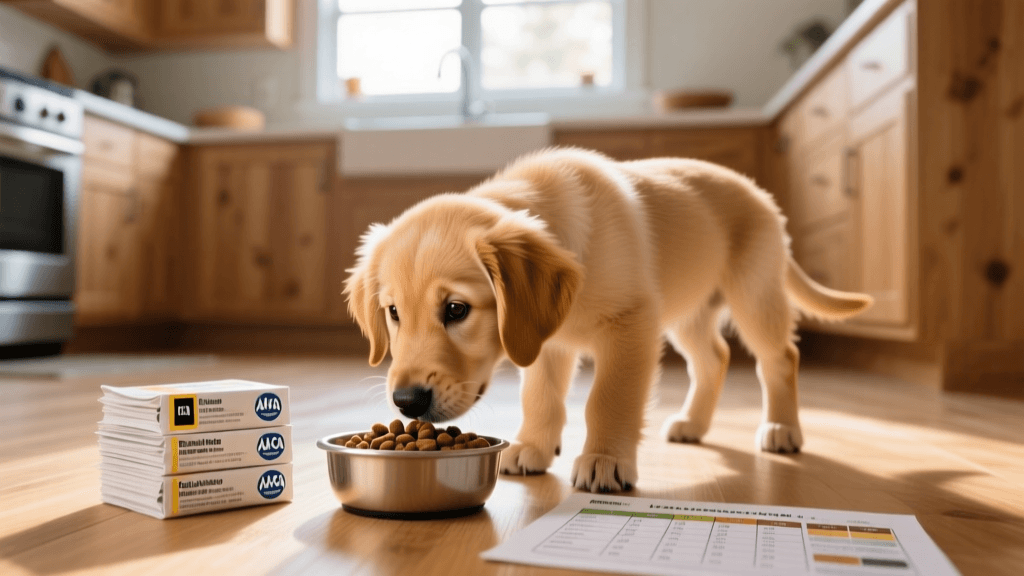
| Puppy Formulated Food | Hill’s Science Diet or Royal Canin Size Health Nutrition. Ensure it meets AAFCO guidelines for growth. Transition slowly over 7 days. | $40 - $70 |
Day One: The First 24 Hours at Home
The first day sets the precedent for your puppy's understanding of their new environment. Keep the energy calm and avoid inviting friends or family over for a welcome party. Overstimulation can lead to fear-based behaviors and stress-induced diarrhea.
The Car Ride and Arrival
Transport your puppy in a secure, crash-tested carrier or a specialized dog car harness attached to the seatbelt. Do not let them roam freely in the car. Upon arriving at your home, immediately carry the puppy to their designated outdoor potty spot. Wait patiently for them to eliminate, and reward them heavily with high-value treats like boiled chicken or freeze-dried liver. This immediate action begins the house-training process before they even step inside.
The One-Room Introduction
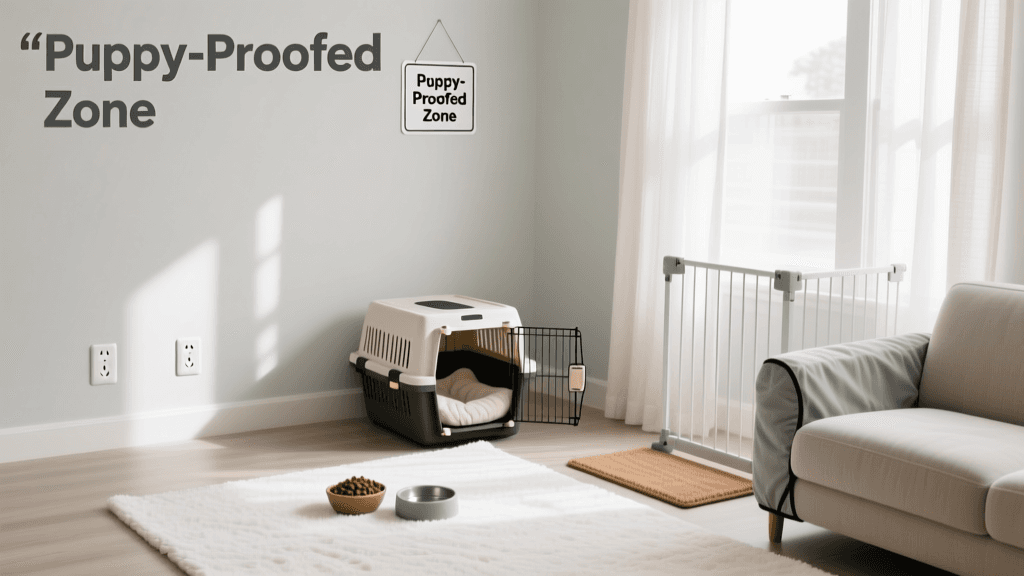
When you first enter the house, do not open every door. Keep the puppy on a lightweight leash and introduce them to a single, puppy-proofed room, such as the living room or kitchen. Place their water bowl, a few toys, and their bed in this space. Allow them to sniff and decompress for 30 to 45 minutes. Gradually introduce them to other rooms over the next few days. This controlled exposure prevents the puppy from feeling overwhelmed and helps them build confidence in their new territory.
Establishing a Feeding and Potty Schedule
Puppies thrive on predictability. A puppy under six months old typically needs to eliminate every 1 to 2 hours, as well as immediately after waking up, playing, or eating. Feed your puppy three measured meals a day at the exact same times (e.g., 7:00 AM, 12:00 PM, and 5:00 PM). Pick up the food bowl after 15 minutes, even if they haven't finished, to establish a routine and make their potty schedule highly predictable. Free-feeding leads to unpredictable bathroom habits and makes house-training significantly harder.
Surviving the First Night
The first night is often the most challenging for first-time owners. Your puppy has just been separated from their mother and littermates, and the silence of a new home can be terrifying.
Crate Training from Night One
Place the crate in your bedroom, close to your bed, so the puppy can hear and smell you. This reassures them that they are not abandoned. Use the Snuggle Puppy heartbeat toy and a warm blanket to mimic the physical sensations of sleeping in a pile of siblings. When you put the puppy in the crate, give them a frozen Kong to create a positive association.
Responding to Nighttime Whining
Expect some whining. The golden rule of crate training is to never let the puppy out while they are actively crying, as this teaches them that whining equals freedom. However, you must differentiate between lonely whining and potty whining. If the puppy wakes up and whines after 2 to 3 hours of sleep, they likely need to eliminate. Carry them outside silently, let them potty, offer mild praise, and return them directly to the crate. Keep nighttime potty trips strictly business—no playing or bright lights.
The 3-3-3 Rule of Decompression
As you navigate the first few weeks, remember the widely recognized 3-3-3 rule of dog adoption and adjustment.
- 3 Days: The puppy may feel overwhelmed, scared, or unsure. They might not eat much or test boundaries.
- 3 Weeks: The puppy starts to settle in, figuring out your routine, and their true personality begins to emerge. Behavioral quirks may appear.
- 3 Months: The puppy finally feels secure, building trust and a strong bond with you. They understand that this is their forever home.
By preparing your home meticulously, investing in the right equipment, and committing to a patient, structured routine, you will transition from an anxious first-time owner to a confident, capable dog parent. The effort you invest in these early days will yield a lifetime of companionship and well-mannered behavior.
robin-maitland
All our authors care for dogs every day — read more of their work on the authors page.