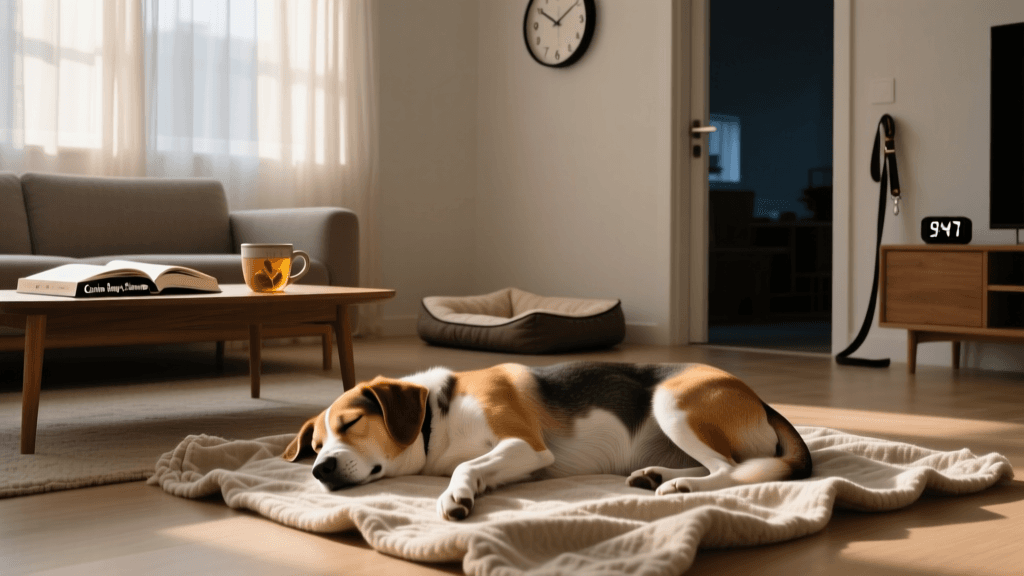
The First-Time Puppy Schedule: A Beginner's Daily Routine Guide
Master your first-time puppy schedule with our beginner's handbook. Discover exact daily routines, potty training timings, and essential puppy gear.

Welcome to Puppy Parenthood: Why Routine is Everything
Bringing home a new puppy is one of life’s greatest joys, but it can quickly become overwhelming without a solid plan. As a first-time dog owner, you might find yourself dealing with midnight potty breaks, chewed-up shoes, and relentless puppy biting. The secret to surviving—and thriving—during these early months is establishing a predictable daily routine. This complete beginner's handbook will walk you through the exact timings, essential gear, and practical strategies you need to set your puppy up for lifelong success.
Why a Strict Routine is Your Best Friend
Dogs are creatures of habit. According to the ASPCA's comprehensive puppy care guidelines, puppies thrive on predictability. A consistent schedule helps regulate their digestive system, making potty training significantly easier. It also provides mental security; when a puppy knows what to expect next, their anxiety decreases, leading to fewer destructive behaviors. For a beginner, a routine acts as a roadmap, removing the guesswork from daily care and ensuring your puppy's physical and mental needs are met without burning you out.
The Ultimate 24-Hour Puppy Schedule (8 to 12 Weeks)
At eight to twelve weeks of age, a puppy’s bladder control is minimal, and their sleep requirements are massive—often up to 18 to 20 hours a day. Below is a structured daily schedule designed for a young puppy.
| Time | Activity | Duration / Notes |
|---|---|---|
| 6:30 AM | Wake Up & Potty | Carry outside immediately. No play until elimination. |
| 7:00 AM | Breakfast | Measured kibble. 15 mins to eat, then pick up bowl. |
| 7:30 AM | Potty & Play | 10-15 mins of gentle play, then back outside. |
| 8:00 AM | Morning Nap | Crate time. Puppies need 2-3 hours of sleep now. |
| 11:00 AM | Potty & Training | 5 mins of basic training (sit, name recognition). |
| 11:30 AM | Midday Nap | Crate or quiet playpen. |
| 1:30 PM | Potty & Socialization | Carry outside, expose to new sounds/sights safely. |
| 2:00 PM | Afternoon Nap | Longest nap of the day. |
| 5:00 PM | Dinner | Second or third meal depending on vet advice. |
| 5:30 PM | Potty & Play | Active play, fetch, or flirt pole. |
| 6:30 PM | Witching Hour / Chew | Frozen Kong or lick mat to soothe teething. |
| 7:30 PM | Wind Down & Potty | Calm cuddles, final water removal. |
| 9:00 PM | Bedtime Potty | Quiet trip outside, straight into the crate. |
| 2:00 AM | Midnight Potty | Set an alarm. Keep lights low, no talking. |
Mastering the Potty Training Timings
Potty training is often the most stressful aspect for beginners. The golden rule is the '15-Minute Post-Event Window.' Puppies typically need to eliminate within 10 to 15 minutes after waking up, eating, drinking, or engaging in vigorous play.
- Crate Size Matters: Use a wire crate (e.g., MidWest Homes for Pets iCrate, approx. $50-$70) with a movable divider. The space should only be large enough for the puppy to stand, turn around, and lie down. If it is too large, they will use one corner as a bathroom.
- Enzymatic Cleaners: Accidents will happen. Never use ammonia-based cleaners. Invest in Nature’s Miracle Advanced Stain and Odor Eliminator (approx. $12 for 32 oz) to completely break down the uric acid crystals so the puppy isn't drawn back to the spot.
- The Tethering Method: When not in the crate or pen, keep the puppy on a 4-foot lightweight leash attached to your belt loop. This prevents them from sneaking off to soil hidden corners.
For more detailed behavioral strategies, the American Kennel Club's house training resources emphasize the importance of positive reinforcement, strict supervision, and avoiding punishment for accidents during these early weeks.
Essential First-Month Gear and Estimated Costs
Walking into a pet store can lead to massive overspending. Here is a curated, no-nonsense list of what you actually need for the first 30 days, complete with estimated costs and specific product recommendations.
- Adjustable Wire Crate: $50 - $80. Essential for safe confinement and potty training.
- Exercise Pen (X-Pen): $40 - $60. Creates a safe 'puppy zone' when you cannot actively supervise.
- Kong Classic (Red or Pink): $12 - $15. The ultimate tool for mental stimulation and soothing teething pain.
- 4-Foot Nylon Leash & Lightweight Harness: $25 - $35. Avoid retractable leashes; they teach puppies to pull.
- Enzymatic Cleaner: $12 - $15. Non-negotiable for accident cleanup.
- Long-Handled Poop Scooper & Biodegradable Bags: $20. Keep your yard sanitary.
- Stainless Steel Food/Water Bowls: $15. Plastic bowls can harbor bacteria and cause puppy acne.
Managing the 'Witching Hour' and Puppy Biting
Every new owner eventually encounters the 'puppy witching hour'—a period, usually in the early evening (around 6:00 PM to 8:00 PM), where your seemingly angelic puppy turns into a landshark. They will run in circles, bite your ankles, and ignore commands.
- Pre-emptive Chewing: Have a frozen Kong stuffed with plain, xylitol-free Greek yogurt and mashed bananas ready in the freezer. Licking and chewing release endorphins that naturally calm the puppy's nervous system.
- Enforced Naps: Most witching hour behavior is actually a sign of severe overtiredness, much like a toddler throwing a tantrum. If your puppy has been awake for more than 90 minutes and starts biting, calmly place them in their crate or a quiet playpen with white noise. They will usually fall asleep within three minutes.
- Redirection: Keep braided fleece tug toys in every room. When puppy teeth touch human skin, say a neutral 'Oops!' and immediately redirect their mouth to the toy.
Nutrition and Feeding Schedules
Feeding should happen at the exact same times every day to regulate digestion. For puppies aged 8 to 12 weeks, three meals a day is standard. Measure food using a standard 8-oz measuring cup, not just a random coffee mug. Overfeeding leads to rapid growth, which can stress developing joints. Always consult your vet, but generally, high-quality kibble formulated for puppies provides the necessary DHA for brain development. Ensure fresh water is available, but consider picking up the water bowl two hours before bedtime to reduce midnight potty emergencies. The Centers for Disease Control and Prevention (CDC) also reminds owners to practice strict hygiene, washing hands thoroughly after handling puppy food, treats, or waste to prevent zoonotic bacterial transmission.
Crate Training: Creating a Safe Haven
The crate is not a punishment; it is your puppy's bedroom. To build a positive association, feed all meals inside the crate with the door open during the first week. Use high-value treats like small pieces of boiled chicken or freeze-dried liver to lure them inside. Never let a puppy 'cry it out' if they need to potty, but if you are certain they are just protesting bedtime, ignore the whining. Giving in teaches them that noise equals freedom. Covering the crate with a breathable blanket can create a den-like atmosphere that promotes deeper sleep.
Daily Handling and Grooming Prep
Beginner owners often neglect grooming until the puppy is older, leading to severe anxiety at the groomer. Spend five minutes every evening practicing 'handling exercises.' Gently touch your puppy's paws, look inside their ears, and lift their lips to inspect their gums. Reward with a lick mat smeared with dog-safe peanut butter (ensure it contains absolutely no xylitol, which is highly toxic). Introduce a soft-bristled brush and an electric nail grinder early on, pairing the sound and sensation with high-value treats.
Socialization in a Safe Manner
While your puppy is not fully vaccinated until around 16 weeks, socialization cannot wait. The critical socialization window closes around 14 to 16 weeks. Carry your puppy in a sling or your arms to hardware stores, outdoor cafes, and parks. Let them observe people, hats, umbrellas, and strange noises from the safety of your embrace. Play YouTube videos of thunderstorms, fireworks, and city traffic at a very low volume while feeding them treats to build positive associations with scary sounds.
Conclusion
Raising a puppy is a marathon, not a sprint. By sticking to a rigorous daily schedule, managing their environment with the right gear, and understanding their biological needs, you will lay the foundation for a well-adjusted, happy adult dog. Remember to give yourself grace; there will be messy days, but consistency is the key to unlocking a beautiful life with your new best friend.
aaron-whyte
All our authors care for dogs every day — read more of their work on the authors page.