First-Time Dog Owner Guide: The Ultimate 30-Day Routine
Discover the ultimate 30-day routine and budget guide for first-time dog owners. Learn daily schedules, training tips, and essential costs for your new pup.
Welcome to Dog Parenthood: Setting the Stage
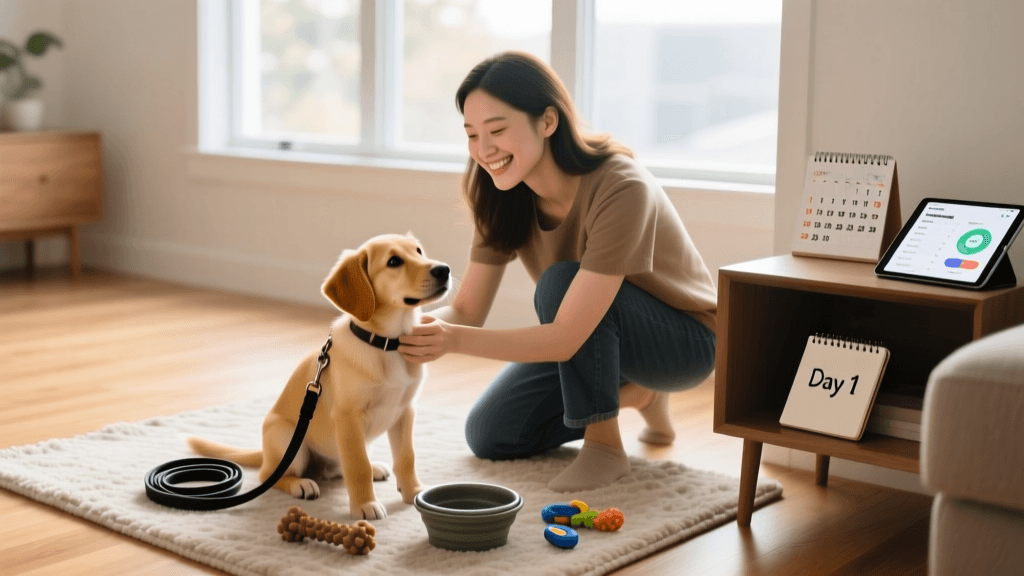
Bringing a new dog into your home is one of the most rewarding experiences you can have, but it is also a massive lifestyle adjustment. For first-time owners, the sheer volume of advice, products, and training methods can feel entirely overwhelming. The secret to a smooth transition is not about being a perfect trainer; it is about establishing a predictable, consistent routine from day one. Dogs are creatures of habit, and they thrive when they know what to expect from their environment and their humans.
According to The Humane Society of the United States, preparing your home and setting ground rules before your dog even walks through the door is critical to preventing behavioral issues. This guide will walk you through the essential first 30 days, providing a concrete daily schedule, a realistic budget, and actionable training milestones.
The 3-3-3 Rule of Dog Decompression
Before diving into strict schedules, first-time owners must understand the 3-3-3 rule of rescue and rehoming. Whether you adopted a senior dog or brought home an eight-week-old puppy, transitioning to a new environment is stressful.
- 3 Days to Decompress: Your dog may seem overly shy, fearful, or even shut down. They might not eat much or test boundaries. Give them space and a quiet safe zone.
- 3 Weeks to Learn the Routine: Your dog starts to figure out your schedule, when meals happen, and where the potty area is. Their true personality begins to emerge, which may include minor behavioral hiccups.
- 3 Months to Feel at Home: Trust and a deep bond are established. Your dog now understands that this is their forever home and feels secure in their environment.
The First-Time Owner's Daily Schedule
Consistency is the bedrock of successful potty training and behavioral management. The American Kennel Club (AKC) emphasizes that a structured daily routine helps dogs understand what is expected of them, drastically reducing anxiety and destructive behaviors. Here is a baseline schedule for a working adult with a new dog or puppy:
- 6:00 AM - Wake & Potty: Take your dog outside immediately upon waking. Use a consistent verbal cue like 'Go potty' and reward with high-value treats immediately after they finish.
- 6:30 AM - Breakfast & Enrichment: Feed their measured morning meal. Instead of using a bowl, try a puzzle feeder or a snuffle mat to provide mental stimulation while you get ready for work.
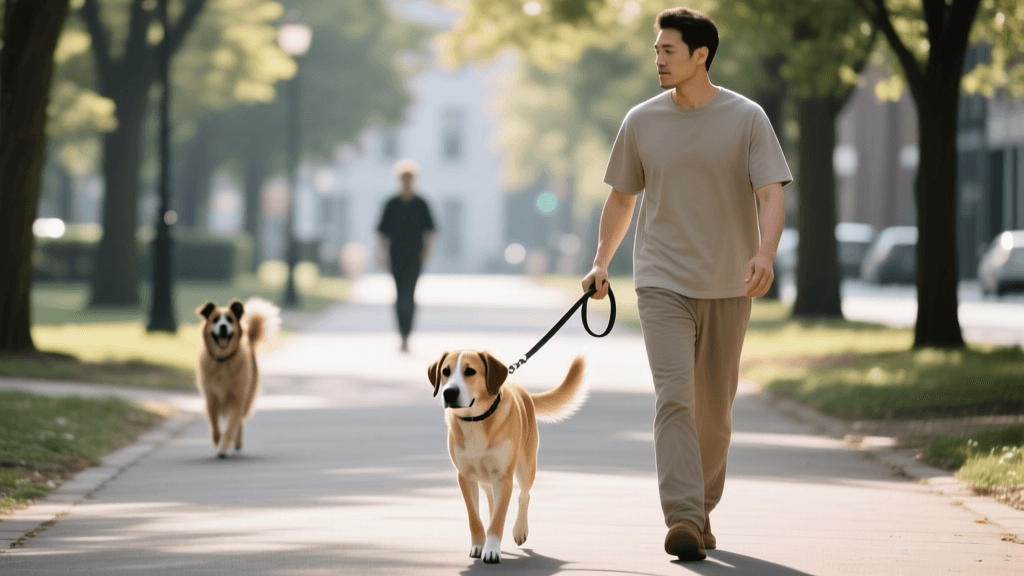
- 7:15 AM - Morning Walk: A brisk 20-minute walk to burn off physical energy and provide scent-based enrichment.
- 8:00 AM to 4:00 PM - Work & Rest: If you are away, your dog should be in a puppy-proofed pen or crate. If you work from home, enforce mandatory nap times in their crate to prevent overtiredness, which leads to biting and hyperactivity.
- 4:30 PM - Afternoon Potty & Play: A mid-afternoon bathroom break followed by a 15-minute active play session (fetch, tug-of-war with rules).
- 6:00 PM - Dinner: The second measured meal of the day.
- 7:00 PM - Training & Socialization: Dedicate 10 to 15 minutes to positive reinforcement training. Work on basic cues like 'sit', 'down', 'leave it', and name recognition.
- 9:30 PM - Final Potty & Wind Down: A calm, leash-led potty break in the dark. Keep excitement low to signal that it is time to sleep.
Budgeting for Your New Companion
Financial preparedness is a major part of responsible pet ownership. First-time owners are often caught off guard by the cumulative costs of supplies, veterinary care, and preventative medications. Below is a realistic breakdown of what you can expect to spend during the first year.
| Category | Item / Service | Estimated Cost | First-Time Owner Notes |
|---|---|---|---|
| Initial Gear | Wire Crate with Divider | $50 - $100 | Buy for adult size; use divider for puppies. |
| Initial Gear | Front-Clip Harness & Leash | $35 - $70 | Front-clip discourages pulling without choking. |
| Monthly | High-Quality Dog Food | $60 - $120 | Cost varies heavily by breed size and brand. |
| Monthly | Flea, Tick & Heartworm Prevention | $20 - $40 | Never skip heartworm; treatment is deadly and costly. |
| Annual | Vet Exams & Core Vaccines | $200 - $400 | First-year puppy shots require multiple visits. |
| Optional | Pet Insurance Premiums | $30 - $70 / mo | Enroll early to avoid pre-existing condition exclusions. |
Crate Training and Safe Spaces
The ASPCA highly recommends crate training as a vital tool for potty training and keeping your dog safe when unsupervised. A crate should never be used as punishment; it must become your dog's personal sanctuary. When selecting a crate, measure your dog from the tip of their nose to the base of their tail, and add two to four inches. They must be able to stand up without their head touching the top, turn around comfortably, and lie down stretched out.
To introduce the crate, start by tossing high-value treats inside with the door open. Feed them their meals inside the crate. Gradually close the door for one minute, then five, then ten, while you sit nearby. If your dog whines, wait for a brief moment of silence before letting them out so you do not inadvertently reward the crying. For nighttime, place the crate in your bedroom so your puppy can hear and smell you, which significantly reduces separation anxiety.
Socialization and Mental Enrichment
Physical exercise is only half the equation. A mentally stimulated dog is a well-behaved dog. During the first 30 days, focus on safe socialization. This does not mean letting your dog greet every person and dog they see. True socialization is about teaching your dog to remain calm and neutral in the presence of novel stimuli.
Take your dog to a park bench and reward them for calmly watching bicycles, skateboards, and strangers from a distance. Introduce them to different floor textures like grass, gravel, and metal grates. Use food-dispensing toys like the classic rubber Kong, stuffed with plain pumpkin puree and kibble, then frozen overnight. This provides up to 45 minutes of quiet, focused licking, which releases endorphins and naturally calms a dog's nervous system.
Remember that puppies have a critical socialization window that closes around 16 weeks of age. During this time, positive exposures to loud noises, hats, umbrellas, and various demographics of people are vital. Carry your puppy in a sling or backpack if they are not fully vaccinated, allowing them to see the world safely without their paws touching high-traffic public ground.
Building Your Support System
Do not wait for a behavioral crisis to seek help. Within your first two weeks, establish a relationship with a local veterinarian and research positive-reinforcement dog trainers in your area. Look for trainers certified by the Certification Council for Professional Dog Trainers (CCPDT) who explicitly avoid aversive tools like shock collars or prong collars. By combining a predictable daily routine, proper financial planning, and a proactive approach to training, your first 30 days will lay the groundwork for a lifetime of joy and companionship with your new best friend.
Furthermore, consider setting up a dedicated pet first-aid kit in your home and car. Include items like styptic powder for torn nails, saline solution for eye washes, and a digital pet thermometer. Familiarize yourself with the location and contact information of the nearest 24-hour emergency veterinary clinic. Emergencies rarely happen during standard business hours, and knowing exactly where to go at 2 AM can save your dog's life and reduce your own panic. Finally, join local community groups or online forums specific to your dog's breed or mix, as these communities are invaluable for localized recommendations and emotional support during the challenging puppy phases.
marcus-aldridge
All our authors care for dogs every day — read more of their work on the authors page.