The First 48 Hours With a New Dog: Vet & Trainer Q&A
Expert vets and trainers answer your top questions about the first 48 hours with a new dog, covering settling in, potty breaks, and initial health tips.

The First 48 Hours: Expert Q&A for New Dog Owners
Bringing a new dog home is a milestone filled with excitement, tail wags, and, inevitably, a fair amount of chaos. Whether you are adopting a senior rescue or bringing home an eight-week-old puppy, the initial transition period dictates the foundation of your lifelong bond. To cut through the overwhelming amount of online advice, we sat down with Dr. Emily Thorne, DVM, and Certified Dog Behaviorist Marcus Vance to answer the most critical questions about the first 48 hours with your new canine companion.
'The biggest mistake new owners make is overwhelming the dog with house tours and family introductions on day one. Decompression is not optional; it is a biological necessity for a stressed animal.' - Marcus Vance, Certified Dog Behaviorist
Q1: What should I do the exact moment we walk through the door?
Marcus Vance (Trainer): Do not walk straight into your house. The car ride and the shelter environment have spiked your dog's cortisol levels. Before crossing the threshold, take your dog on a 15-to-20-minute 'sniffari' in your yard or a quiet nearby green space. Use a standard 6-foot leather or biothane leash—avoid retractable leashes, as they teach pulling and offer zero emergency control. Allow the dog to sniff exhaustively; this mental stimulation lowers their heart rate and helps them process new environmental data.
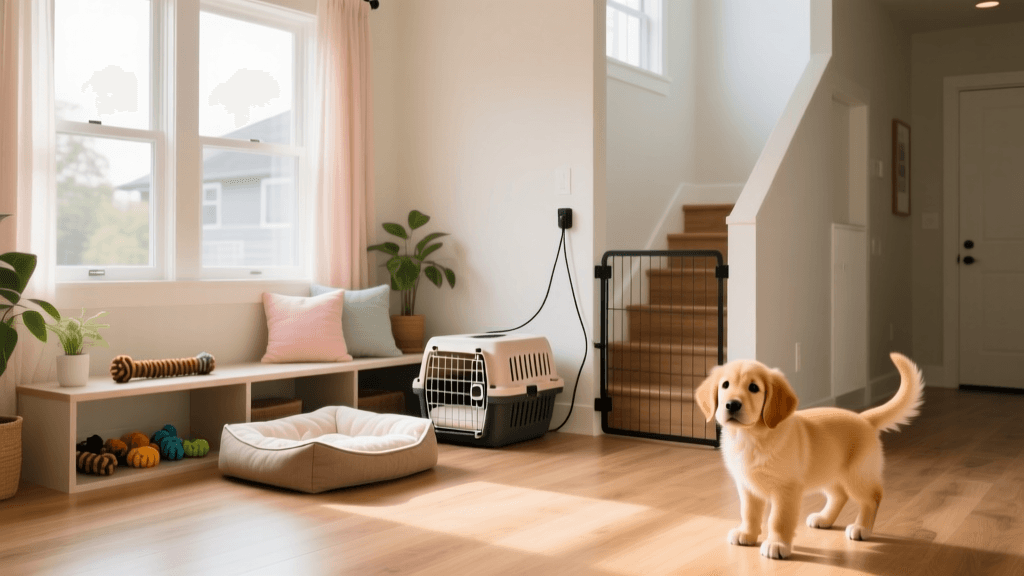
Once the dog has eliminated outside and seems relaxed, walk them into the house on a leash. Keep the environment calm. Do not invite neighbors or extended family over for a 'meet and greet.' Show them their designated safe space—such as a quiet corner with a comfortable bed or an open crate—and let them retreat. According to the ASPCA's dog care guidelines, providing a predictable, low-stimulation safe zone is crucial for preventing behavioral fallout and anxiety in newly adopted dogs.
Essential Arrival Gear:
- Leash: 6-foot Biothane or standard nylon leash (Approx. cost: $15-$25)
- Enzymatic Cleaner: Nature's Miracle Advanced Stain & Odor Eliminator (Approx. cost: $12) - Keep this handy for inevitable indoor accidents.
- High-Value Treats: Boiled chicken or freeze-dried liver to reward calm threshold behavior.
Q2: How do I handle the first night's sleep and crying?
Marcus Vance (Trainer): The first night is notoriously difficult. Your dog is sleeping in an unfamiliar place, separated from their littermates or shelter kennel mates. I highly recommend crate training from night one to establish a safe den. For a medium-to-large breed like a Labrador, a 42-inch L x 28-inch W x 30-inch H wire crate is ideal. Use a wire divider if you have a puppy so they only have enough room to stand, turn around, and lie down; excess space encourages them to soil one corner and sleep in the other.
To combat loneliness, invest in a heartbeat toy like the SmartPetLove Snuggle Puppy (Approx. cost: $40). The simulated heartbeat mimics the feeling of sleeping against a mother or littermate. Additionally, provide a KONG Classic Dog Toy stuffed with plain, pureed pumpkin (not pie filling) and frozen solid. Licking and chewing release endorphins that naturally soothe dogs.
Dr. Emily Thorne (Vet): If the dog cries, you must distinguish between anxiety and a biological need. Take them out on a leash for a boring, 5-minute potty break in the middle of the night. No talking, no playing. If they eliminate, offer quiet praise and return them to the crate. If they continue to cry after returning, you must ignore it. Rewarding crying with attention teaches the dog that vocalization summons the owner.
Q3: When should I schedule the first vet visit, and what should I ask?
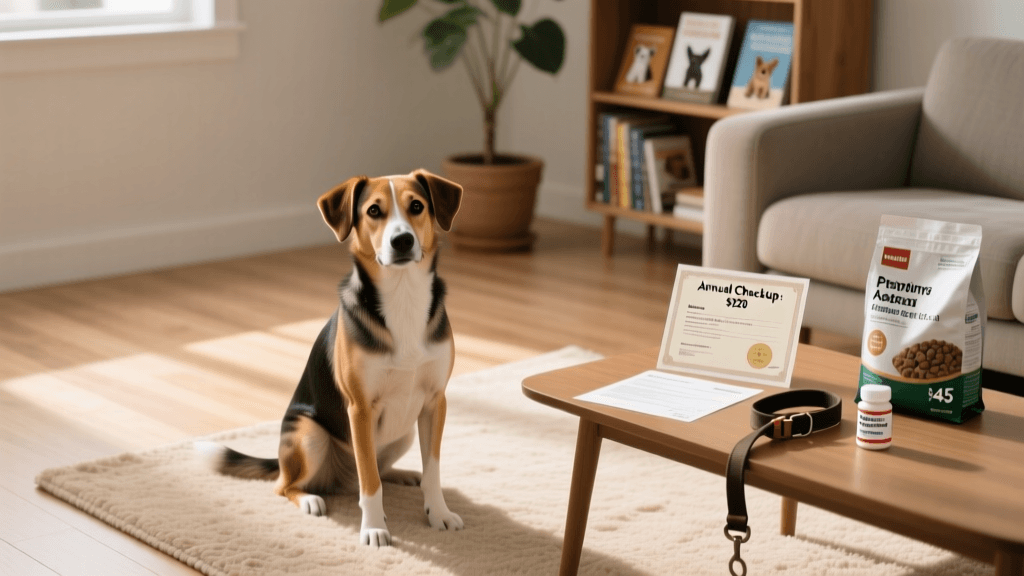
Dr. Emily Thorne (Vet): You should schedule your initial wellness exam within 48 to 72 hours of bringing your dog home. The American Veterinary Medical Association (AVMA) strongly recommends establishing a veterinary relationship immediately to catch congenital issues, parasites, or infectious diseases early.
Before your appointment, collect a fresh stool sample (less than 4 hours old, kept in a cool place or refrigerated). This allows the clinic to run a fecal floatation test to check for giardia, coccidia, hookworms, and roundworms—all highly common in shelter environments.
Checklist for Your First Vet Appointment:
- Comprehensive Physical Exam: Ensure the vet checks for umbilical hernias, heart murmurs, and orthopedic issues like luxating patellas.
- Vaccine Protocol: Discuss a tailored schedule for core vaccines (DHPP and Rabies) based on the dog's estimated age and shelter records.
- Parasite Prevention: Start a monthly preventative immediately. Products like NexGard (for fleas/ticks) and Heartgard Plus (for heartworm/intestinal parasites) are industry standards. (Approx. cost: $60-$90 for a multi-month supply).
- Microchip Check: Have the vet scan the dog to verify if a microchip is present and ensure the registry contact info is updated to your phone number and address.
Q4: What is the safest feeding schedule for the first week?
Dr. Emily Thorne (Vet): Stress-induced colitis is incredibly common in the first 48 hours. The sudden change in environment, combined with a sudden change in diet, is a recipe for severe gastrointestinal upset and diarrhea. For the first seven days, feed your dog the exact same brand and formula of food they were eating at the shelter or breeder.
When you are ready to transition to your preferred high-quality diet, follow the 7-to-10-day gradual transition rule. The FDA guidelines on pet food handling and transitions emphasize that sudden dietary shifts can disrupt the gut microbiome, leading to vomiting and malabsorption.
The Safe Transition Protocol:
- Days 1-3: 75% old food, 25% new food.
- Days 4-6: 50% old food, 50% new food.
- Days 7-9: 25% old food, 75% new food.
- Day 10: 100% new food.
To further support their digestive tract during the stress of moving, sprinkle a canine-specific probiotic like Purina Pro Plan FortiFlora over their meals. Furthermore, use a slow-feeder bowl to prevent gulping, which reduces the risk of aerophagia (swallowing air) and dangerous gastric dilatation-volvulus (bloat) in deep-chested breeds.
Your First 48-Hour Survival Timeline
Use this structured timeline to keep your household organized and your dog's stress levels low during the critical initial window.
| Timeframe | Action Item | Owner Goal |
|---|---|---|
| Hour 0 | Arrival & Sniffari | Allow 15-20 mins of outdoor sniffing and initial potty break before entering the home. |
| Hour 2 | Quiet Decompression | Introduce the safe space/crate. Offer water and a small portion of their familiar food. No house tours. |
| Hour 12 | First Night Routine | Final potty break on leash. Secure in crate with heartbeat toy and frozen KONG. Ignore anxiety whining. |
| Hour 24 | Routine Establishment | Begin strict 2-hour daytime potty intervals. Keep interactions calm. Schedule vet appointment. |
| Hour 48 | Vet Visit & Baseline | Attend wellness exam with fresh stool sample. Discuss vaccine schedule and parasite prevention. |
Final Thoughts on the Adjustment Period
The first 48 hours are about survival, observation, and establishing a baseline of trust. By managing the environment, prioritizing decompression, and securing immediate veterinary care, you set the stage for a well-adjusted, healthy dog. Remember that behavioral quirks and minor health hiccups are normal during this transition. Rely on expert guidance, stick to your routines, and give your new best friend the grace and time they need to realize they are finally home.
priya-sutaria
All our authors care for dogs every day — read more of their work on the authors page.