Selecting a Puppy for AKC Agility Competitions in 2026
Learn how to evaluate puppy structure, temperament, and drive for AKC agility competitions in 2026. Discover top breeds and testing protocols for success.
The 2026 Landscape of Competitive Dog Agility
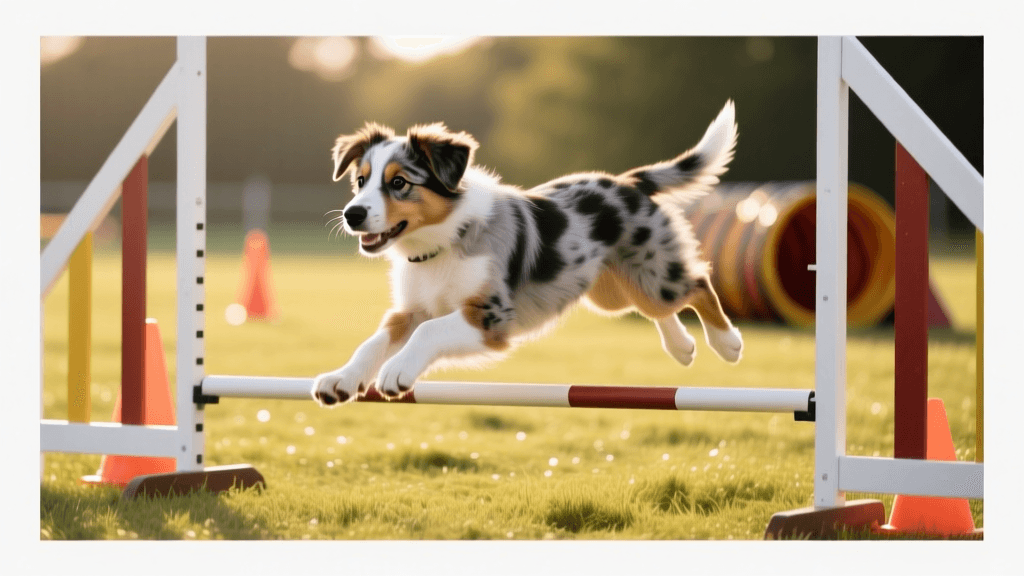
Getting a dog with the intention of competing in high-level sports is a thrilling journey that requires far more foresight than adopting a standard family pet. As we navigate the 2026 competition season, the landscape of dog agility has evolved significantly. Organizations like the American Kennel Club (AKC) and the United States Dog Agility Association (USDAA) have increasingly embraced international-style course designs. This means modern agility courses demand tighter turning radiuses, faster deceleration cues, and immense physical resilience from our canine partners. If you are in the process of getting a dog specifically for agility, you cannot simply rely on a puppy being "energetic." You must rigorously evaluate structure, biomechanics, and psychological drive to ensure your future partner can handle the physical and mental demands of the 2026 agility ring.
Structural Evaluation: Building the Canine Athlete
When evaluating a litter for sport potential, structural soundness is your primary defense against career-ending injuries. Agility is a high-impact sport involving repetitive jumping, rapid deceleration on the dog walk, and explosive starts from the start line. A puppy's underlying skeletal framework will dictate their longevity in the sport.
Shoulder Assembly and Rear Angulation
Look for a well-laid-back shoulder assembly. An ideal shoulder angle approaches 90 to 105 degrees, which allows for maximum forward extension and acts as a crucial shock absorber when the dog lands from a 24-inch jump. Puppies with steep shoulders (often referred to as "straight in the front") will jolt upon landing, transferring the concussive force directly to their neck and spine. Similarly, moderate rear angulation is vital. While extreme rear angulation might look flashy in a show ring, it often lacks the stabilizing power needed for the rapid directional changes required in modern agility gamblers and snooker courses.
The Importance of Paw and Pastern Health
Pay close attention to the puppy's pasterns and paws. Slightly sloping pasterns provide necessary spring and cushioning. Completely upright pasterns are a major red flag for future joint issues. Furthermore, the puppy should have tight, well-arched "cat feet" rather than flat, splayed paws. Splayed paws are highly susceptible to toe sprains and pad tears when navigating the rubberized slats of the A-frame and dog walk.
Assessing Drive and Environmental Resilience
Structure gets the dog to the start line, but temperament gets them across the finish line. In 2026, the most successful agility dogs possess a unique psychological profile: high working drive combined with rapid environmental recovery.
Testing Prey Drive and Biddability
When you visit the breeder at 6 to 7 weeks of age, bring a small flirt pole or a crinkly tug toy. You want to observe the puppy's prey drive. Do they chase the toy with intense focus? Do they use their paws to pin it down? More importantly, do they bring it back to you, or do they run away to possess it? For agility, you want a puppy that engages with the toy through you. This biddability is the foundation of all future flatwork and obstacle training.
The Novel Surface and Noise Test
Agility environments are chaotic. Between 2024 and 2026, trial venues have increasingly utilized large, echoing indoor arenas with loud PA systems and unpredictable flooring transitions. Test the puppy's environmental stability by introducing a novel surface, such as a wobbly balance disc or a piece of tarp. A strong sport prospect might startle initially but will quickly recover and investigate the object. Puppies that freeze, tuck their tails, and refuse to approach the novel object are generally not suited for the high-stress environment of a national agility championship.
Top Agility Breeds for the 2026 Competition Season
While any dog can learn agility, certain breeds possess the genetic blueprint for elite speed and handling. Below is a comparison of the top prospects for the 2026 season, including projected costs and handling profiles.
| Breed | Ideal Jump Height | 2026 Avg. Puppy Price | Primary Agility Strength | Handling Challenge |
|---|---|---|---|---|
| Border Collie | 20" - 24" | $2,500 - $4,000 | Unmatched speed and distance collection | Can over-anticipate cues; requires precise handling |
| Shetland Sheepdog | 12" - 16" | $2,000 - $3,500 | Tight turning radius and vocal responsiveness | Lower top-end speed on long straightaways |
| Papillon | 8" - 12" | $1,800 - $3,000 | Explosive acceleration and extreme focus | Requires careful conditioning to protect tiny joints |
| All-American (Mixed) | Varies | $300 - $800 | Hybrid vigor and unique athletic builds | Unpredictable adult size and drive levels |
Mandatory Health Testing for 2026 Sport Litters
Never purchase a sport prospect from a breeder who cannot provide comprehensive health clearances. The Orthopedic Foundation for Animals (OFA) database is your best resource for verifying these claims. In 2026, the baseline standard for any agility-bred litter must include OFA or PennHIP certification for hips, OFA clearance for elbows, and a board-certified veterinary ophthalmologist (CAER) exam for eyes. Additionally, responsible breeders will now routinely perform DNA panel testing to rule out hereditary conditions like Degenerative Myelopathy (DM) and Collie Eye Anomaly (CEA). If a breeder claims their dogs are "vet checked" but lacks official OFA database numbers, walk away immediately. The financial and emotional cost of rehabilitating a dog with early-onset dysplasia is devastating.
Red Flags When Visiting a Sport Breeder
Even if the pedigree is stacked with agility champions, the breeding environment can make or break a puppy's confidence. Avoid breeders who keep their litters isolated in a barn or a quiet rural property without exposure to the modern world. A sport puppy needs an "Early Neurological Stimulation" (ENS) program and regular exposure to household chaos, varying floor textures, and strange humans. If the mother dog displays severe fear-based aggression or hides from you, this genetic temperament flaw is highly likely to be passed down to the puppies, rendering them unsuitable for the bustling environment of an agility trial.
Preparing Your Home for an Agility Prospect
Once you have selected your puppy, preparing your home for their arrival is critical. In 2026, modern sport dog training heavily emphasizes "puppy flatwork" and body awareness over early obstacle training. You should not be jumping your puppy or forcing them over full-height contact obstacles until their growth plates have fully closed, typically between 14 and 18 months of age.
Instead, prepare your home with the following essentials:
- Interlocking Foam Mats:Set up a dedicated training space in your home or garage with high-density EVA foam mats. This provides a safe, non-slip surface for teaching foundation behaviors like rear-end awareness and backing up.
- Travel Crates and Tethering Stations:Agility dogs must learn to "crate and wait" calmly while you walk courses. Introduce a durable, well-ventilated crate from day one as a safe sanctuary, not a punishment zone.
- High-Value Reward Systems:Ditch standard kibble. Stock up on single-ingredient freeze-dried treats (like beef liver or minnow) and high-quality tug toys with real sheepskin or rabbit fur. In the early months, you are building a reinforcement history that will sustain your dog through complex, high-distraction trial environments.
Ultimately, getting a dog for agility is a long-term investment in a partnership. By meticulously evaluating structure, demanding rigorous health testing, and prioritizing psychological resilience, you are setting the stage for a decade of safe, joyful, and competitive success in the agility ring.
robin-maitland
All our authors care for dogs every day — read more of their work on the authors page.