Essential Supplies List For First Week With New Dog
Learn about essential supplies list for first week with new dog with expert tips and data-backed advice.
Immediate Essentials: What You’ll Need Before Bringing Your Dog Home
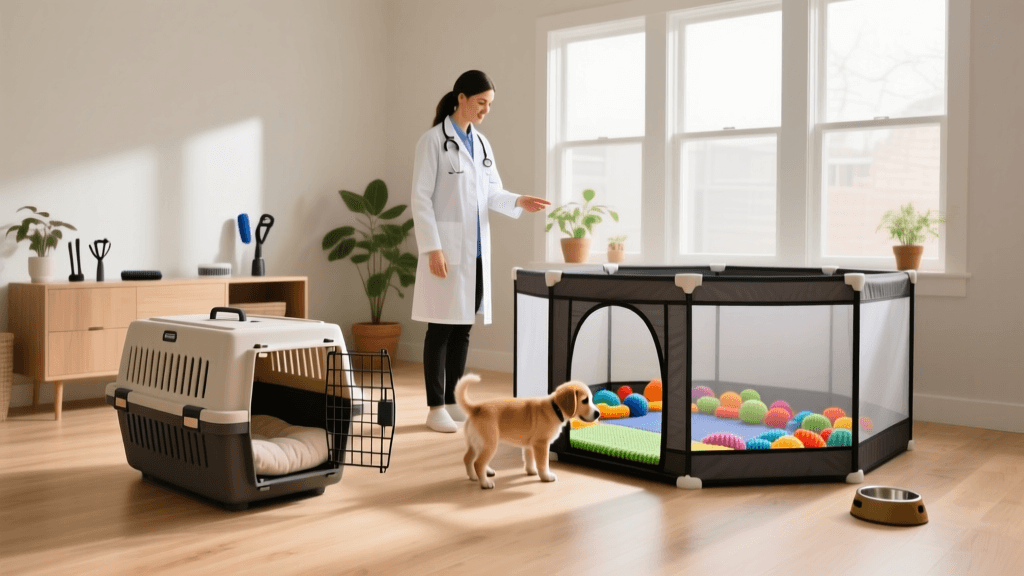
Preparing for a new dog isn’t just about excitement—it’s about responsibility. The first 48–72 hours set the tone for trust, routine, and safety. According to the American Kennel Club (AKC), 37% of dogs surrendered to shelters within their first year do so due to unmet preparation expectations—often stemming from inadequate supplies or mismatched lifestyle alignment (AKC, 2023). Start with non-negotiable items: a properly sized crate (minimum interior dimensions of 36" L × 24" W × 27" H for medium breeds like Beagles), a six-foot nylon leash (not retractable for initial walks), and an ID collar with legible engraving. Avoid collars with dangling tags that may snag; opt for laser-etched stainless steel plates rated for up to 10 years of wear.
Food, Feeding Schedule, and Veterinary Coordination
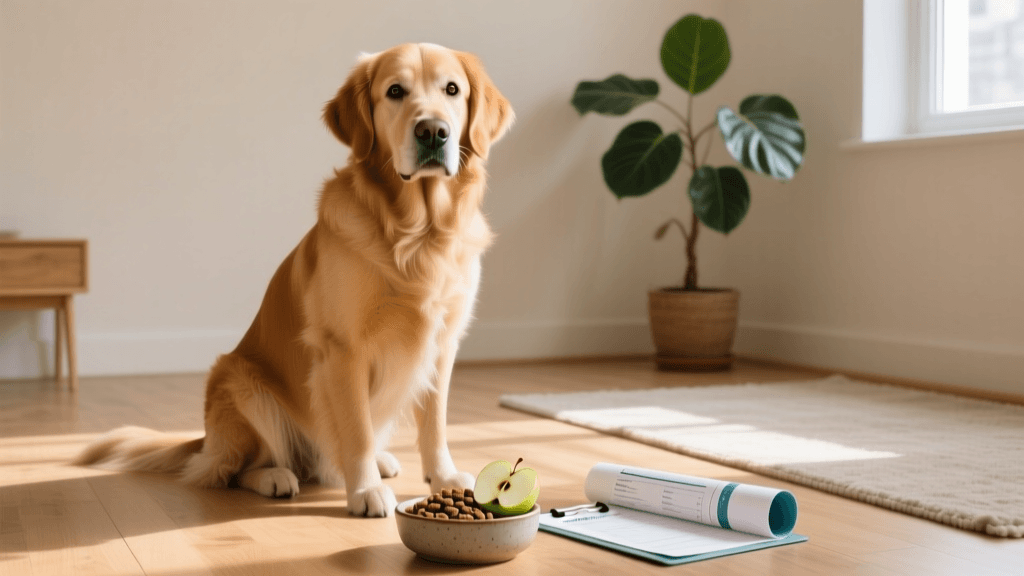
Consult your veterinarian before switching food—even if the shelter or breeder provided a specific brand. Sudden dietary changes cause gastrointestinal upset in 68% of newly adopted dogs under age two (ASPCA, 2022). Purchase at least a 5-pound bag of high-quality puppy or adult kibble matching your dog’s life stage and size classification. For example, a 12-week-old Labrador Retriever requires 1.5 cups of puppy food twice daily, while a senior Chihuahua (10+ years) needs only ¼ cup of low-calorie senior formula, fed three times per day. Always provide fresh water in a stainless steel or ceramic bowl—plastic bowls can harbour bacteria and trigger contact dermatitis in 22% of sensitive-skinned dogs (University of Pennsylvania School of Veterinary Medicine, 2021).
Cost Breakdown for First-Week Supplies
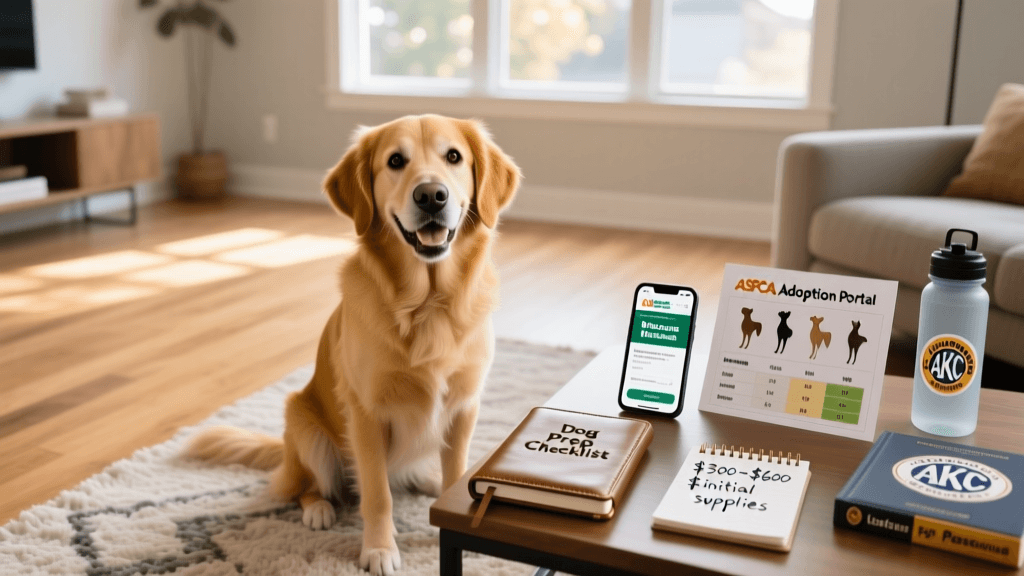
Initial setup costs vary significantly by breed and source. Adopting from a municipal shelter like the San Francisco SPCA typically incurs $250–$400 in adoption fees, which often include microchipping, spay/neuter, and core vaccinations. In contrast, purchasing from a reputable AKC-registered breeder averages $1,200–$3,500 for breeds such as Golden Retrievers or French Bulldogs. Below is a realistic itemised estimate for essential supplies:
| Item | Quantity | Estimated Cost | Notes |
|---|---|---|---|
| Crate (wire, collapsible) | 1 | $45–$110 | Size must allow standing, turning, and lying fully stretched |
| Puppy pads (unscented, absorbency ≥2,000 ml) | 1 pack (60 count) | $18–$24 | Used for indoor potty training; replace every 12–18 hours |
| Stainless steel food/water bowls (2.5 qt each) | 2 | $22–$34 | Weighted bases prevent tipping during meals |
Breed-Specific Considerations and Temperament Alignment
Choosing a breed—or deciding between adoption and purchase—requires honest self-assessment. The UK Kennel Club reports that 41% of owners of high-energy working breeds (e.g., Border Collies, Australian Shepherds) report insufficient daily exercise, leading to destructive behaviours within 10 days of adoption. Conversely, brachycephalic breeds like Pugs require climate-controlled environments; indoor temperatures above 22°C (72°F) increase heat-stress risk by 400% compared to mesocephalic breeds (Royal Veterinary College, London, 2020). If you live in an apartment without yard access, consider adopting a retired racing Greyhound—their average resting heart rate is 60 bpm, and they sleep 18–20 hours daily, making them ideal low-activity companions.
Adoption vs. Breeder: Key Distinctions
Adopting from a rescue organisation offers transparency into medical history and temperament evaluations. The Humane Society of the United States notes that 92% of dogs entering no-kill shelters receive behavioural assessments prior to placement, including reaction tests to children, other pets, and novel objects. Reputable breeders affiliated with the AKC must comply with the Canine Health Information Center (CHIC) database requirements—meaning genetic testing for conditions like hip dysplasia (prevalence: 21.5% in German Shepherds) and degenerative myelopathy (found in 2.3% of Boxers) is mandatory before breeding registration.
- Avoid “backyard breeders” who refuse facility tours or health documentation
- Ask rescues for vaccination records dated within 48 hours of intake
- Verify breeder membership in national parent clubs (e.g., Golden Retriever Club of America)
- Request proof of OFA or PennHIP certification for hips and elbows
- Confirm all puppies have undergone deworming at 2, 4, 6, and 8 weeks
Home Safety and Environmental Setup
Dog-proofing isn’t optional—it’s preventative healthcare. Secure electrical cords using PVC conduit rated for chew resistance (tested to withstand 120 psi bite force). Remove toxic plants: lilies, sago palms, and azaleas are responsible for 34% of pet poisonings reported to the ASPCA Animal Poison Control Center annually. Install baby gates at stairways—especially critical for puppies under 16 weeks whose growth plates remain unfused. A single misstep down stairs can cause permanent joint damage in breeds like Dachshunds, whose intervertebral disc disease incidence is 10–12 times higher than in mixed-breed dogs.
First-Vet Visit Checklist
Your first veterinary appointment should occur within 72 hours of adoption. Bring any records provided by the shelter or breeder. Request fecal floatation testing (cost: $35–$52), full-panel bloodwork (CBC + chemistry, $120–$185), and verification of rabies and DHPP vaccine titres. Note: In New York State, rabies vaccination must be administered by a licensed veterinarian no earlier than 12 weeks of age—and revaccination is required every 1–3 years depending on product label.
Microchipping is non-negotiable—even indoor-only dogs escape. The National Mill Dog Rescue reports that 1 in 3 lost dogs without microchips are never reunited with owners, versus 90% reunion success when chips are registered and updated. Register yours with the AKC Reunite database immediately after implantation.
Do not skip parasite prevention. Flea infestations cost an average of $278 in treatment across three veterinary visits (Banfield Pet Hospital, 2023). Begin monthly topical or oral preventatives on day one—even if the dog appears flea-free. Heartworm prevalence exceeds 15% in southern U.S. counties like Jefferson Parish, Louisiana, where year-round transmission occurs.
Choose bedding wisely. Orthopaedic foam mattresses measuring at least 3 inches thick reduce pressure sores in senior or large-breed dogs. Avoid cedar or pine shavings—they emit volatile organic compounds linked to respiratory irritation in 17% of small-breed dogs (Cornell University College of Veterinary Medicine, 2019).
Enrol in a certified positive-reinforcement training class by week three. The Certification Council for Professional Dog Trainers (CCPDT) reports that puppies attending structured socialisation classes before 16 weeks show 70% lower incidence of fear-based aggression later in life.
Keep a logbook tracking elimination times, meal portions, sleep cycles, and interactions. This data helps identify patterns—such as anxiety-related pacing before thunderstorms or food sensitivities emerging at 10 days post-adoption.
Never use punishment-based tools like prong collars or shock devices. The International Association of Animal Behavior Consultants states these methods increase cortisol levels by up to 300%, impairing learning and damaging human-canine attachment bonds.
Replace rawhide chews with vet-approved alternatives. A 2022 study in Journal of Veterinary Internal Medicine found that 62% of intestinal obstructions in dogs under 2 years involved rawhide fragments lodged in the ileocaecal junction.
Store medications, cleaning supplies, and human foods (especially xylitol-sweetened products) in upper cabinets secured with child latches. Xylitol ingestion of just 0.1 g/kg causes hypoglycaemia in dogs within 10–60 minutes—potentially fatal without immediate IV dextrose.
Designate a quiet “safe zone”—a crate or gated room lined with sound-dampening panels—to reduce overstimulation during fireworks season or construction noise. Dogs exposed to chronic noise stress exhibit elevated baseline cortisol levels for up to 72 hours post-event.
“The first week isn’t about perfection—it’s about consistency. Every time you calmly redirect chewing to a toy instead of scolding, you reinforce neural pathways that make cooperation easier next time.” — Dr. Sarah K. Johnson, Behavioural Veterinarian, Tufts Foster Hospital for Small Animals
Remember: your dog’s first week reflects your commitment—not just to care, but to understanding. Whether you adopt from Best Friends Animal Society in Kanab, Utah, work with a regional breeder in Vermont’s Green Mountains, or partner with the Chicago Animal Care and Control shelter, preparation rooted in science and compassion makes all the difference.
robin-maitland
All our authors care for dogs every day — read more of their work on the authors page.