Essential Puppy Tech: Smart Gear for Safety and Training
Discover the best smart gear and tech for your puppy's first year. Compare GPS trackers, pet cameras, and smart feeders for safer, easier puppy care.
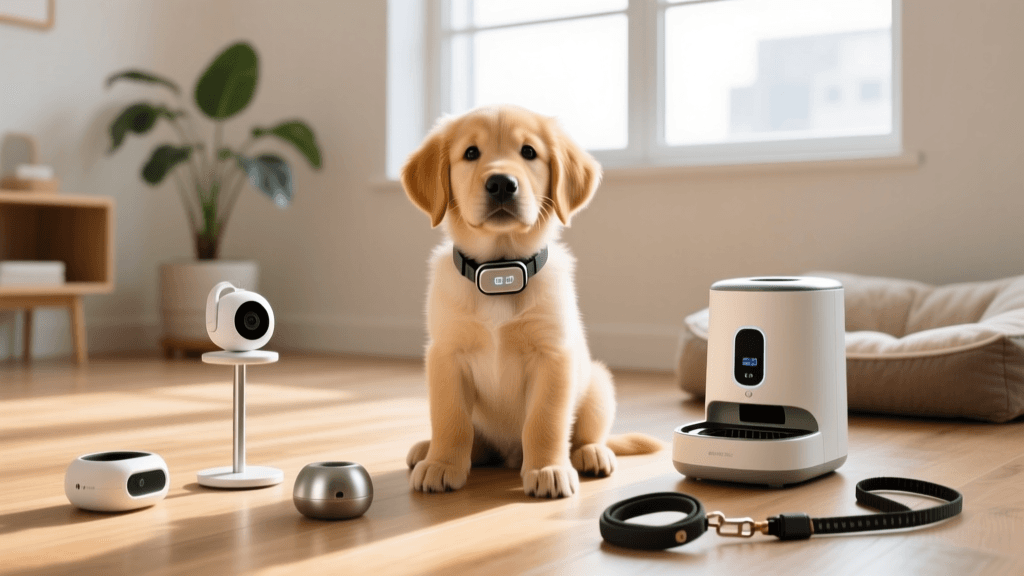
Navigating the First Year with Smart Puppy Gear
The first twelve months of a puppy's life is a whirlwind of developmental milestones, boundless energy, and inevitable chaos. From the moment you bring your eight-week-old companion home, you are thrust into a rigorous schedule of potty training, socialization, teething management, and basic obedience. While traditional tools like wire crates, nylon leashes, and chew toys remain foundational, modern pet technology has revolutionized how we manage puppy care. Smart gear and specialized equipment can bridge the gap between your busy lifestyle and your puppy's intensive needs, offering peace of mind and data-driven insights into their health and behavior.
Smart Pet Cameras for Separation Anxiety and Potty Training
Separation anxiety and potty training are arguably the two most stressful hurdles for new puppy owners. When you must leave your young dog alone for work or errands, a smart pet camera becomes an indispensable piece of equipment. According to the ASPCA, separation anxiety often manifests when puppies are left alone and lack the coping mechanisms to self-soothe. Monitoring your puppy in real-time allows you to identify stress triggers and intervene before destructive behaviors escalate.
When selecting a pet camera, look for a minimum 1080p HD resolution, night vision capabilities, and two-way audio. Models like the Furbo 360 or the Wyze Cam v3 are highly rated for their reliability and affordability, typically ranging from $40 to $200. For potty training, placement is critical. Mount the camera at your puppy's eye level—approximately 12 to 18 inches off the ground for small breeds, and 24 inches for large breeds. Ensure the device offers a wide field of view (at least 130 degrees) so you can monitor their designated potty area or playpen. The two-way audio feature should be used sparingly; while it is tempting to talk to your crying puppy, hearing your voice without seeing you can sometimes exacerbate their frustration and anxiety.
GPS Trackers and Smart Collars for Escape-Prone Puppies
As your puppy transitions from the strict confinement of early puppyhood into the adventurous adolescent stage (typically around four to six months), their recall skills are rarely reliable enough for off-leash freedom. Escape-prone puppies and diggers require an extra layer of security beyond traditional fencing. GPS-enabled smart collars, such as the Fi Series 3 or Whistle GO, utilize cellular networks to provide real-time location tracking directly to your smartphone.
These smart collars allow you to set up virtual geo-fences around your home or yard. If your puppy breaches this perimeter, you receive an instant push notification. The Fi collar is particularly notable for its use of LTE-M networks, which conserves battery life, allowing the device to run for up to three months on a single charge. Expect to pay between $100 and $150 for the hardware, plus a monthly subscription fee of around $8 for cellular service. However, technology can fail. Batteries die, and cellular signals drop in remote areas. The Humane Society strongly recommends that every puppy be microchipped as a permanent, fail-safe form of identification that works in tandem with your GPS tracker. Ensure your puppy's microchip is registered with your current contact information before their first outdoor adventure.
Smart Feeders for Scheduled Growth and Nutrition
Proper nutrition and strict feeding schedules are vital during the rapid growth phases of the first year. Puppies under six months of age typically require three to four measured meals per day to maintain stable blood sugar levels and support healthy bone development. For working professionals, returning home midday to feed a puppy is often impossible. Automatic smart feeders solve this logistical nightmare while preventing the free-feeding that leads to rapid, unhealthy weight gain.
Devices like the PETLIBRO Automatic Pet Feeder or the Whisker Feeder-Robot allow you to program precise meal times and portion sizes down to the tenth of a cup. When setting up a smart feeder for a growing puppy, calculate the daily caloric requirement based on their expected adult weight, then divide that total across three meals (e.g., 7:00 AM, 12:00 PM, and 5:00 PM). Look for feeders with stainless steel bowls and BPA-free plastic hoppers to prevent canine acne and bacterial growth. Additionally, models equipped with backup battery packs are essential to ensure your puppy is fed even during a household power outage.
Comparison Chart: Top Puppy Tech Gear
To help you budget and prioritize your purchases, we have compiled a comprehensive comparison of the most essential puppy tech gear available on the market today.
| Equipment Type | Top Brand Example | Average Cost | Best Developmental Stage | Primary Benefit |
|---|---|---|---|---|
| Smart Pet Camera | Furbo 360 / Wyze Cam | $40 - $200 | 8 weeks - 6 months | Potty training & anxiety monitoring |
| GPS Smart Collar | Fi Series 3 / Whistle GO | $100 - $150 (+ sub) | 4 months - 12 months | Geo-fencing & escape alerts |
| Automatic Smart Feeder | PETLIBRO / Whisker | $120 - $250 | 8 weeks - 6 months | Strict portion & schedule control |
| Smart Health Scale | Renpho Pet Scale | $40 - $80 | 8 weeks - 12 months | Tracking physical growth curves |
Teething and Enrichment Technology
Between the ages of three and six months, your puppy will lose their deciduous teeth and grow their adult set. This teething phase is notorious for destroyed furniture baseboards, chewed-up shoes, and general oral discomfort. While no tech gadget can replace the soothing relief of a frozen, wet washcloth, smart enrichment toys can keep a teething puppy mentally stimulated and physically occupied, redirecting their chewing impulses away from your valuables.
Consider investing in automated puzzle feeders and smart treat-dispensing toys. Devices like the Cheerble Wickedball provide unpredictable movement that satisfies a puppy's prey drive without requiring constant human intervention. For teething relief, utilize specialized silicone freezing molds designed for canine dental health. Fill these molds with a mixture of low-sodium chicken broth, plain pumpkin puree, and kibble, then freeze for a minimum of four hours to create a long-lasting, soothing enrichment activity that promotes healthy chewing habits.
Health Monitoring and Veterinary Integration
Tracking your puppy's physical development is just as important as monitoring their behavior. Sudden weight loss or stunted growth can be early indicators of parasitic infections, metabolic issues, or dietary deficiencies. Smart pet scales connect via Bluetooth to your smartphone, allowing you to log daily or weekly weigh-ins and generate visual growth curves right on your device.
Weigh your puppy at the same time every week, preferably in the morning before their first meal. Record the data in your smart scale's companion app and share these trends with your veterinarian during their bi-weekly or monthly puppy wellness exams. The Centers for Disease Control and Prevention (CDC) emphasizes the importance of routine veterinary care and preventative health monitoring to ensure your dog lives a long, healthy life free from zoonotic diseases and developmental disorders. Combining at-home smart scale data with professional veterinary guidance ensures your puppy is hitting every physical milestone safely.
Trainer's Tip: Technology should supplement your training, not replace it. A smart camera can alert you that your puppy is having an accident, but it is your physical presence, positive reinforcement, and consistent outdoor potty breaks that will ultimately teach them where to eliminate.
Conclusion
The first year of puppyhood is a significant investment of time, emotion, and finances. While no piece of technology can replace the bond, patience, and hands-on training you provide, integrating smart gear into your routine drastically reduces the friction of daily care. By leveraging pet cameras for behavioral monitoring, GPS collars for outdoor safety, automated feeders for nutritional consistency, and smart scales for health tracking, you set the stage for a well-adjusted, healthy, and secure adult dog. Evaluate your specific lifestyle needs, invest in high-quality equipment, and enjoy the remarkable journey of watching your puppy grow.
robin-maitland
All our authors care for dogs every day — read more of their work on the authors page.