Engage-Disengage Game for Leash Reactive Dogs in 2026
Master the Engage-Disengage game to cure leash reactivity in 2026. Step-by-step protocol, threshold tracking, and expert tips for anxious dogs.
Understanding Leash Reactivity in the Modern Era
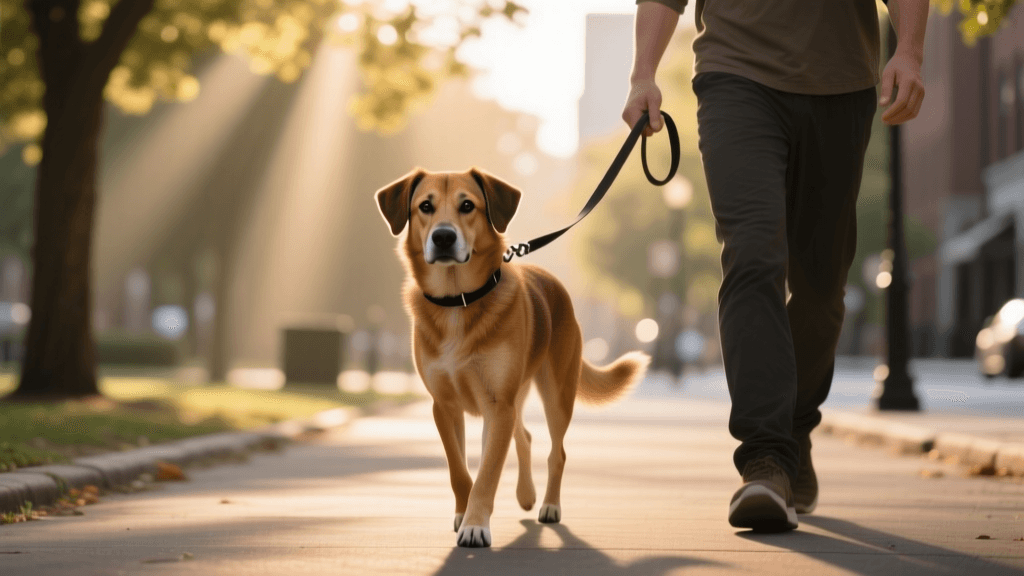
Walking a leash-reactive dog can feel like navigating a minefield. Every passing dog, unfamiliar person, or sudden noise threatens to trigger an explosive bout of barking, lunging, and panic. As we move through 2026, the veterinary and behavioral science communities have reached a definitive consensus: leash reactivity is rarely about 'dominance' or 'stubbornness.' Instead, it is almost always rooted in fear, anxiety, and a dysregulated nervous system. When a reactive dog spots a trigger, their amygdala hijacks their brain, flooding their system with cortisol and adrenaline. In this state of 'fight or flight,' learning is biologically impossible.
According to the American Kennel Club (AKC), reactivity is a behavioral response to feeling trapped or overwhelmed while confined to a leash. Because the dog cannot flee, they resort to offensive displays to increase the distance between themselves and the perceived threat. To effectively manage and rehabilitate an anxious dog, we must bypass the emotional hijack and rewire the dog's underlying emotional response to their triggers. This is where the Engage-Disengage game becomes an indispensable tool for modern dog owners.
The Science Behind the Engage-Disengage Protocol
Originally popularized by dog trainer Leslie McDevitt in her groundbreaking 'Control Unleashed' program, the Engage-Disengage game is a brilliant fusion of classical and operant conditioning. The protocol is designed to teach the dog that the presence of a trigger predicts good things (classical conditioning) and that offering calm, alternative behaviors in the presence of a trigger yields high-value rewards (operant conditioning).
In 2026, force-free methodologies are the gold standard. The ASPCA emphasizes that punitive measures, such as leash corrections or shock collars, only suppress the outward symptoms of reactivity while increasing the dog's internal anxiety. By contrast, the Engage-Disengage protocol actively lowers the dog's emotional arousal, building a buffer of positive associations that ultimately replaces the reactive outburst with a voluntary check-in with the handler.
Essential 2026 Gear for Reactive Dog Walks
Before stepping outside, you must equip yourself and your dog with the right tools. Modern advancements in dog gear have made managing reactive dogs safer and more comfortable than ever.
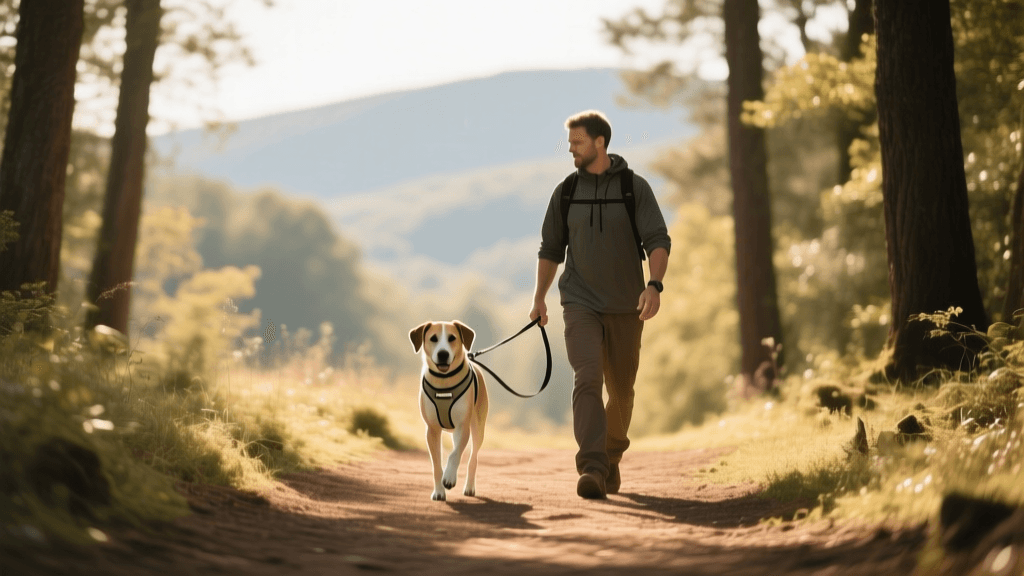
- Front-Clip Harness: A well-fitted front-clip harness, such as the 2026 updated Ruffwear Front Range or the Sensation Harness, gently redirects the dog's momentum toward you if they lunge, without putting dangerous pressure on their trachea.
- Biothane Long Line: A 15-to-20-foot Biothane leash is crucial. Biothane is waterproof, easy to clean, and doesn't burn your hands if the dog pulls. It provides the dog with the illusion of freedom while maintaining safety.
- Magnetic Treat Pouch: Speed is everything in reactivity training. A treat pouch with a silent magnetic closure allows you to deliver rewards in milliseconds without the loud ripping sound of Velcro, which can startle an anxious dog.
- High-Value Treats: Kibble will not cut it when the brain is flooded with stress hormones. Use boiled chicken, freeze-dried beef liver, or low-sodium cheese. The treats must be pea-sized to allow for rapid, repeated consumption.
Step-by-Step Engage-Disengage Protocol
The game is divided into two distinct phases. You must master Phase 1 before attempting Phase 2. The most critical element of this entire process is managing your dog's 'threshold'—the distance at which your dog notices the trigger but remains calm enough to take treats and process information.
Phase 1: Classical Conditioning (The Engage Phase)
In Phase 1, the dog does not have to 'do' anything except look at the trigger. Your goal is to change how the dog feels about the trigger.
- Spot the Trigger: The moment your dog looks at the trigger (e.g., another dog across the street), immediately mark the behavior with a clicker or a calm verbal 'Yes.'
- Deliver the Treat: Feed the high-value treat directly to your dog's mouth. Do not lure the dog's head away; let them look, mark, and then eat.
- Repeat: If the dog continues to stare, mark and treat again. You are building a neurological pathway that says: 'Seeing another dog equals chicken.'
Phase 2: Operant Conditioning (The Disengage Phase)
Once your dog reliably anticipates a treat after looking at the trigger, you will notice a shift. The dog will look at the trigger and then voluntarily turn their head back toward you, expecting the reward. This is the 'Disengage.' You can now move to Phase 2.
- Wait for the Turn: The dog looks at the trigger. Do not mark or click yet. Wait a beat.
- Mark the Disengage: The moment the dog voluntarily turns their head away from the trigger and looks back at you, mark with a 'Yes' or a click.
- Reward Generously: Deliver a 'jackpot' of treats (3 or 4 pieces in a row) to reinforce the brilliant decision to disengage and check in with you.
Tracking Your Dog's Threshold Progress
Data tracking is a massive trend in 2026 dog training. Keeping a log helps you identify patterns, recognize when your dog is having an 'off' day, and objectively measure progress over time. Below is a sample threshold tracking chart you can replicate in your training journal.
| Session Date | Distance to Trigger | Trigger Type | Dog's Arousal Level (1-10) | Phase Used | Success Rate |
|---|---|---|---|---|---|
| Oct 12, 2026 | 50 feet | Stationary Dog | 3 (Alert but calm) | Phase 1 | 90% Treat Acceptance |
| Oct 14, 2026 | 40 feet | Walking Person | 4 (Slight tension) | Phase 1 | 80% Treat Acceptance |
| Oct 17, 2026 | 50 feet | Moving Dog | 6 (Whining, stiff) | Phase 1 | 40% (Refused treats) |
| Oct 19, 2026 | 75 feet | Moving Dog | 2 (Relaxed) | Phase 2 | 100% Voluntary Check-ins |
Notice how on Oct 17, the dog's arousal spiked to a 6 and they refused treats. This indicates the dog was pushed over their threshold. The handler correctly responded on Oct 19 by increasing the distance to 75 feet, dropping the arousal level back to a manageable 2, and successfully advancing to Phase 2.
Managing the Environment Between Sessions
Reactivity training is not just about what happens on the walk; it is about managing the dog's overall cortisol baseline. Veterinary behaviorists, including those certified by the American Veterinary Society of Animal Behavior (AVSAB), strongly advocate for 'decompression' activities to help anxious dogs recover from the stress of daily life.
If your dog has a reactive outburst, their cortisol levels can remain elevated for up to 72 hours. During this recovery window, avoid triggering environments entirely. Instead, engage your dog in 'sniffaris' in quiet, secluded fields, or utilize modern mental enrichment tools like the Outward Hound Dog Brick puzzle or LickiMats. Sniffing and licking are naturally soothing behaviors that lower a dog's heart rate and promote the release of dopamine and endorphins, effectively flushing stress hormones from their system.
Common Pitfalls and Troubleshooting
Even with the best intentions, handlers often encounter roadblocks. Here is how to troubleshoot the most common issues in 2026:
- The Dog Won't Eat: If your dog spits out the treat or refuses to eat, you are over threshold. The emotional brain has shut down the digestive system. Immediately increase your distance from the trigger by 20 feet or more until the dog can eat softly and eagerly.
- The Dog is Staring Obsessively: If the dog locks onto the trigger and won't look away, do not pull the leash. Pulling creates opposition reflex and increases frustration. Instead, make a 'kiss' sound, toss a handful of treats on the ground to break the visual fixation, and calmly walk away to create distance.
- Handler Anxiety: Dogs are incredibly adept at reading our biometric feedback. If you tense up, hold your breath, and shorten the leash when you see a trigger, your dog will assume there is something to be afraid of. Practice deep, diaphragmatic breathing and keep the leash loose in a 'J' shape.
Conclusion
Rehabilitating a leash-reactive dog is a marathon, not a sprint. The Engage-Disengage game provides a clear, humane, and scientifically backed framework for helping anxious dogs navigate a chaotic world. By respecting your dog's threshold, utilizing modern force-free gear, and meticulously tracking your progress, you can transform your stressful walks into enjoyable bonding experiences. Remember to celebrate the micro-victories—a single voluntary glance away from a trigger is a monumental step toward a calmer, happier life for your dog.
priya-sutaria
All our authors care for dogs every day — read more of their work on the authors page.