Dog Travel Myths Debunked: Flying, Sedation, and Safety
Discover the truth about flying and traveling with your dog. We debunk common myths about sedation, cargo travel, and crate sizing for safe trips.
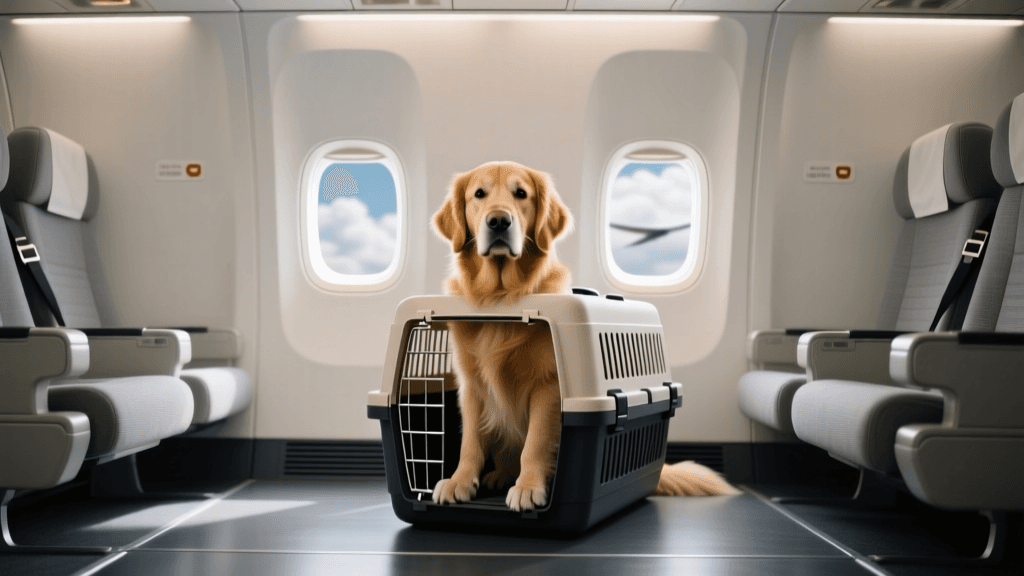
The Reality of Traveling with Your Dog: Separating Fact from Fiction
Sharing your life with a dog often means bringing them along on your adventures, whether that involves a cross-country road trip or an international flight. However, the internet is flooded with outdated advice, well-meaning but dangerous anecdotes, and outright myths regarding pet travel. Believing these misconceptions can lead to severe anxiety for you and, worse, genuine physical danger for your dog. In this comprehensive guide, we are debunking the most pervasive dog travel myths and replacing them with veterinary-backed facts, actionable timelines, and specific product recommendations to ensure your journeys are safe and stress-free.
Myth 1: Sedating Your Dog for Flights is Safe and Recommended
The Myth: Many owners believe that giving their dog a tranquilizer or heavy sedative before a flight will keep them calm, asleep, and stress-free in the cabin or cargo hold.
The Fact: Sedating dogs for air travel is highly dangerous and strongly discouraged by veterinary professionals. According to the American Veterinary Medical Association (AVMA), tranquilizers can cause severe respiratory and cardiovascular issues. When a dog is sedated, their natural ability to regulate their body temperature and maintain their airway is compromised. In the pressurized, low-oxygen environment of an airplane cargo hold, or even in the cabin at high altitudes, this can lead to fatal hypotension or respiratory depression.
Actionable Alternatives: Instead of pharmaceutical sedation, utilize natural calming aids and behavioral conditioning. Products like the Thundershirt ($40-$50) apply gentle, constant pressure that naturally soothes the nervous system. For chemical-free anxiety relief, try Adaptil Dog Calming Pheromone Spray ($15-$20) applied to the crate bedding 15 minutes before travel, or Zesty Paws Calming Bites ($25) given 30 minutes prior to departure. Always consult your vet for prescription anxiety medications like Trazodone or Gabapentin, which manage anxiety without suppressing the central nervous system to the dangerous degree of traditional tranquilizers.
Myth 2: Any Hard Plastic Crate is Acceptable for Cargo Travel
The Myth: As long as the dog can stand up and turn around, any standard plastic kennel with zip-ties or plastic latches is sufficient for airline cargo travel.
The Fact: Airlines strictly enforce the International Air Transport Association (IATA) Live Animals Regulations (LAR). Standard retail crates often fail these rigorous safety checks. A crate that is too small causes physical distress, while one that is too large increases the risk of injury during turbulence or rough handling.
The IATA Measurement Formula: To find the exact crate size, measure your dog and apply the following formulas:
- Length: A (tip of nose to base of tail) + B (height of elbow joint to ground) / 2.
- Height: D (height of dog in natural standing position from tip of ears or top of head to ground) + 3 inches for clearance.
- Width: C (widest part of the dog) x 2.
Actionable Advice: Invest in an IATA-compliant crate such as the Petmate Sky Kennel or the Dakota 283 G3 Kennel ($150-$350 depending on size). You must replace all plastic fasteners with metal nuts and bolts (often sold as "airline crate hardware kits" for $10-$15). Zip-ties are strictly prohibited by most major airlines because they cannot be quickly cut by emergency personnel without risking injury to the dog. Additionally, attach two secure, spill-proof water bowls to the inside of the door grate.
Myth 3: Dogs are Safest Roaming Free in the Car
The Myth: Letting your dog roam freely in the backseat or stick their head out the window is the most comfortable and natural way for them to travel by car.
The Fact: An unrestrained dog in a vehicle is a severe safety hazard. In a collision at just 35 mph, a 60-pound dog becomes an unrestrained projectile exerting roughly 2,700 pounds of force, which can be lethal to both the dog and the human passengers. Furthermore, dogs hanging out of windows are at high risk for corneal ulcers from road debris, ear infections from excessive wind, and ejection during sudden stops.
Actionable Advice: Secure your dog using crash-tested gear. The Center for Pet Safety (CPS) conducts rigorous, independent crash testing for pet travel products. Look for the CPS certification seal. Top-rated options include the Sleepypod Clickit Sport Harness ($100-$120) or the Kurgo Tru-Fit Smart Harness ($35-$45), both of which connect directly to the vehicle's LATCH system or seatbelt. For SUVs, use a secured, crash-tested crate like the Ruff Land Performance Kennel ($300-$400), strapped down with heavy-duty ratchet straps to the vehicle's cargo tie-down anchors.
Travel Method Comparison Chart
| Travel Method | Weight / Size Limits | Average Cost | Required Safety Gear | Prep Timeline |
|---|---|---|---|---|
| Airline Cabin | Usually under 20 lbs (combined with soft carrier) | $95 - $150 one-way | Soft-sided, ventilated carrier (e.g., Sherpa Original) | 4-6 weeks |
| Airline Cargo | Over 20 lbs; must fit IATA crate dimensions | $250 - $1,000+ one-way | IATA Hard Crate with metal hardware | 8-12 weeks |
| Car Travel | No limit | Fuel + lodging | CPS-Certified Harness or Secured Crate | 2-4 weeks |
| Train (Amtrak) | Under 20 lbs (carrier + pet) | $25 - $50 one-way | Soft-sided carrier (max 19x14x10.5 inches) | 4-6 weeks |
Myth 4: Dogs Can Just "Get Used to It" on Travel Day
The Myth: You can introduce your dog to their travel crate or harness on the morning of the trip, and they will naturally adapt to the situation.
The Fact: Forcing a dog into a confined space or restrictive harness without prior conditioning triggers a fight-or-flight response, flooding their system with cortisol. This leads to panic, vocalization, and potential injury as they try to escape.
Actionable 8-Week Acclimation Timeline:
- Weeks 1-2 (Positive Association): Leave the crate open in the living room. Feed all meals inside the crate. Toss high-value treats (like freeze-dried liver) inside so the dog enters voluntarily. Do not close the door.
- Weeks 3-4 (Confinement): Begin closing the door for 10 seconds, then 30 seconds, then 2 minutes while you sit nearby. Reward calm behavior with a stuffed Kong or lick mat.
- Weeks 5-6 (Distance and Duration): Close the door and leave the room for 5 to 15 minutes. Return before the dog shows signs of distress. Gradually increase to 1 hour.
- Weeks 7-8 (Environmental Simulation): Put the crate in the car (for road trips) or carry the soft carrier around the house/neighborhood (for flights). Play recordings of airplane cabin noise or car engines at a low volume, gradually increasing the volume over several days.
Myth 5: International Travel Only Requires a Basic Health Certificate
The Myth: As long as your vet signs a standard health certificate a few days before your international trip, your dog is cleared for entry into any foreign country.
The Fact: International pet travel regulations are incredibly strict and vary wildly by destination. Assuming a basic health certificate is enough can result in your dog being quarantined for months or denied entry and deported at your expense.
For example, the Centers for Disease Control and Prevention (CDC) recently overhauled the rules for importing dogs back into the United States from high-risk rabies countries. Dogs must now be at least 6 months old, possess a valid ISO-compatible microchip (15-digit, 134.2 kHz frequency), and have a valid CDC Dog Import Form receipt. Furthermore, countries within the European Union require an EU Health Certificate endorsed by the USDA APHIS, and many require a rabies antibody titer test (FAVN) drawn at least 30 days after vaccination and 3 months prior to entry.
Actionable Advice: Start researching your destination's specific import requirements at least 4 to 6 months in advance. Use the USDA APHIS Pet Travel website to pull the exact checklist for your destination country. Schedule a consultation with a USDA-accredited veterinarian, as only they can legally endorse international health certificates.
Final Thoughts on Safe Dog Travel
Life with your dog is infinitely richer when you can explore the world together. By discarding dangerous myths surrounding sedation, improper crating, and unrestrained car travel, you take the first step toward becoming a responsible, informed pet traveler. Always prioritize safety over convenience, invest in certified travel gear, and give your dog the gift of time to acclimate to their travel equipment. With proper preparation, your dog will view their crate or harness not as a prison, but as a familiar, safe haven that signals the start of a great adventure.
robin-maitland
All our authors care for dogs every day — read more of their work on the authors page.