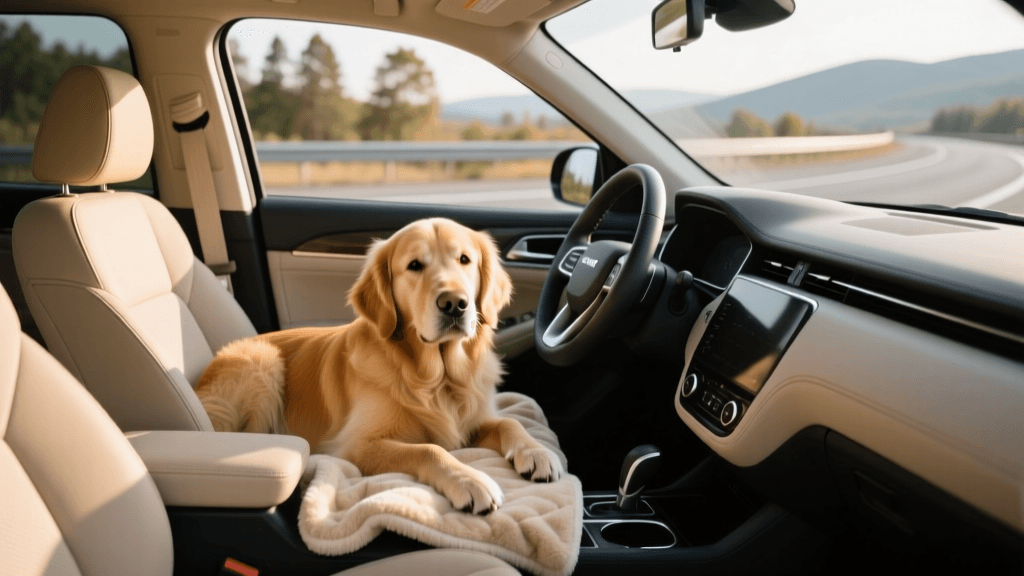
Cross-Country Road Trips With Dogs: Safety And Packing Guide
Plan the perfect cross-country road trip with your dog. Discover essential safety gear, packing checklists, and rest stop strategies for a stress-free adventure.

Embarking on a cross-country road trip is one of the most rewarding ways to experience the open road, and bringing your canine companion along can elevate the adventure. However, traveling thousands of miles with a dog requires far more preparation than simply tossing a leash into the backseat. From crash-tested safety gear to strategic rest stops and border-crossing documentation, meticulous planning is the key to a safe and stress-free journey. This comprehensive guide will walk you through everything you need to know to conquer the highway with your four-legged best friend.
Preparing Your Dog for the Long Haul
Before you map out your route, you must ensure your dog is physically and mentally prepared for extended travel. Start by scheduling a pre-trip wellness exam with your veterinarian. According to the American Veterinary Medical Association (AVMA), a thorough check-up ensures your pet is healthy enough for travel and that all preventative medications, such as flea, tick, and heartworm treatments, are up to date.
During this visit, request a copy of your dog's rabies certificate and a general health certificate. While not all states require a health certificate for dogs crossing state lines, many campgrounds, national parks, and pet-friendly hotels will demand proof of current vaccinations. Expect to pay between $50 and $150 for a comprehensive health certificate, depending on your vet's fees and required bloodwork. Additionally, ensure your dog's microchip is registered with your current cell phone number and emergency contact information.
If your dog suffers from motion sickness or travel anxiety, consult your vet about pharmaceutical options. Medications like Cerenia (maropitant citrate) are highly effective for preventing canine motion sickness, while trazodone or gabapentin may be prescribed for severe anxiety. Always test these medications on a short, local drive before your cross-country departure to monitor for adverse side effects like lethargy or gastrointestinal upset.
Essential Safety Gear for the Car
Allowing a dog to roam freely in a moving vehicle is incredibly dangerous. In the event of a sudden stop or collision, an unrestrained 50-pound dog traveling at just 30 mph generates roughly 1,500 pounds of projectile force. This poses a fatal risk to both the dog and the human passengers. To mitigate this, you must invest in independently crash-tested safety restraints.
Look for harnesses that have passed the rigorous testing standards set by the Center for Pet Safety (CPS) and the Federal Motor Vehicle Safety Standard (FMVSS) 213. Top-rated options include:
- Sleepypod Clickit Sport Harness ($100 - $120): A three-point design that secures the dog's torso, distributing crash forces evenly and keeping the dog firmly in place.
- Kurgo Tru-Fit Smart Harness ($35 - $45): A more budget-friendly option that includes a seatbelt tether, though it is important to use the carabiner clip directly to the vehicle's seatbelt webbing for maximum safety.
If your dog prefers a confined space, a crash-tested crate is an excellent alternative. The Variocage by MIM Safe ($800 - $1,200) is widely considered the gold standard for vehicle crates. Constructed from heavy-duty steel, it features a built-in crumple zone that absorbs impact energy. While expensive, it is an unparalleled investment in your dog's life. Secure the crate in the rear cargo area of an SUV or the backseat of a truck, ensuring it is strapped down using the provided tie-down anchors.
The Ultimate Dog Road Trip Packing Checklist
Packing for a dog requires a dedicated storage bin to keep supplies organized and easily accessible. Here is a detailed checklist of essentials for a multi-week road trip:
- Food and Water: Pack 1.5 times the amount of food you estimate needing to account for delays. Bring two 5-gallon jugs of water from your home tap; sudden changes in local water mineral content can cause severe gastrointestinal distress in sensitive dogs.
- Collapsible Gear: The Ruffwear Quencher ($15) is a lightweight, packable bowl perfect for quick hydration stops. Bring at least two so one can be used for food and the other for water.
- Canine First-Aid Kit: Include styptic powder for torn nails, Vetrap (self-adhering bandage), tweezers for tick removal, saline eye wash, and a digital thermometer. Include a printed copy of the ASPCA Animal Poison Control number.
- Cleaning Supplies: Accidents happen. Pack an enzyme-based cleaner like Nature's Miracle, heavy-duty trash bags, paper towels, and pet-safe disinfecting wipes for wiping down muddy paws before entering hotels.
- Comfort Items: Bring your dog's favorite blanket or bed. Familiar scents drastically reduce anxiety in unfamiliar hotel rooms and rental properties.
Rest Stop Strategy: Timing and Location
Pushing through fatigue and skipping breaks is a common mistake that leads to canine dehydration, stiffness, and accidents in the car. Your rest stop schedule should be dictated by your dog's age, breed, and health status. Use the table below to plan your daily driving itinerary:
| Dog Profile | Stop Frequency | Stop Duration | Recommended Activity |
|---|---|---|---|
| Puppies (Under 1 Year) | Every 1.5 - 2 hours | 15 - 20 minutes | Short leash walks, basic training, mental sniffing |
| Adult Dogs (1 - 7 Years) | Every 3 - 4 hours | 20 - 30 minutes | Brisk walking, light fetch, hydration breaks |
| Senior Dogs (8+ Years) | Every 2 - 3 hours | 15 - 25 minutes | Slow strolls, joint stretching, frequent potty access |
| Brachycephalic Breeds | Every 2 hours (climate dependent) | 10 - 15 minutes | Shade resting, cooling mat use, minimal exertion |
When selecting rest stops, avoid crowded, noisy truck stops where dogs can be easily spooked or exposed to infectious diseases. Instead, use apps like BringFido or iOverlander to locate quiet, grassy parks or designated dog exercise areas along your route. Always keep your dog on a secure, non-retractable leash (4 to 6 feet) to maintain control in unfamiliar environments.
Navigating Pet-Friendly Accommodations
Booking accommodations requires careful research. Many hotel chains advertise as 'pet-friendly,' but they often impose strict weight limits (frequently capping at 40 or 50 pounds) and charge exorbitant non-refundable pet fees ranging from $50 to $150 per stay. Alternative lodging platforms like Airbnb and Vrbo allow you to filter specifically for 'pets allowed' and often feature private yards, which are ideal for decompressing after a long day of driving.
Upon arriving at your lodging, do a thorough 'sniff and sweep' of the room or yard. Check for dropped human medications, toxic houseplants, small choking hazards, or gaps in fencing. To establish a safe zone for your dog, set up their familiar bedding and a portable crate in a quiet corner of the room. Never leave your dog unattended in a hotel room; housekeeping staff may inadvertently open the door, and barking at unfamiliar hallway noises can lead to noise complaints.
Crossing Borders: International and State Lines
If your cross-country adventure takes you across international borders, such as driving into Canada or Mexico, the documentation requirements become significantly stricter. The Centers for Disease Control and Prevention (CDC) enforces strict regulations regarding the importation and re-importation of dogs to prevent the spread of canine rabies.
When re-entering the United States from a high-risk rabies country (which includes Mexico), your dog must be microchipped, at least six months old, and possess a valid CDC Dog Import Permit or a valid US-issued rabies vaccination certificate. Failure to provide the correct documentation can result in your dog being denied entry, quarantined at your expense, or returned to the country of origin at your cost. Always check the specific agricultural and border control websites for your destination country at least 60 days before your departure.
Final Thoughts on the Open Road
A cross-country road trip with your dog is an exercise in patience, flexibility, and deep bonding. By prioritizing crash-tested safety gear, adhering to a structured rest-stop schedule, and meticulously organizing your packing list, you transform a potentially stressful ordeal into the adventure of a lifetime. Roll down the windows, let the scenery unfold, and enjoy the unparalleled joy of exploring the world with your best friend by your side.
robin-maitland
All our authors care for dogs every day — read more of their work on the authors page.