Dog-Proofing Your Indoor Garden: Safe and Toxic Plants
Discover how to dog-proof your indoor garden. Learn which houseplants are toxic to dogs, safe alternatives, and tips for a pet-friendly home environment.
The Intersection of Botany and Dog Ownership
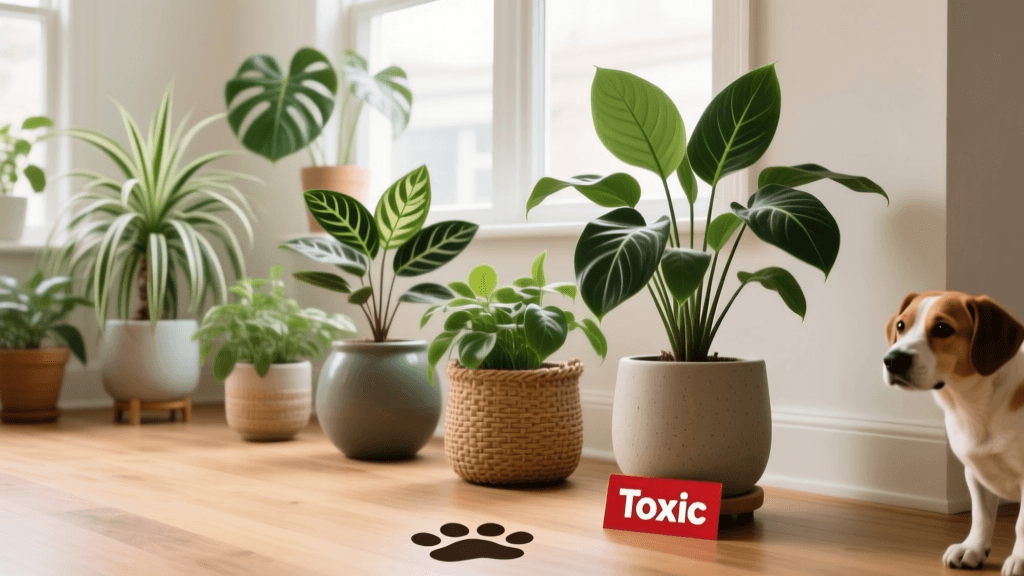
When designing a dog-friendly home environment, many pet parents focus on securing trash cans, hiding electrical cords, and locking away household cleaners. However, one of the most common and frequently overlooked hazards in a modern home sits quietly on the windowsill or hangs from the ceiling: the indoor houseplant. The popularity of creating indoor jungles has skyrocketed in recent years, but for dog owners, this botanical trend requires careful consideration and strategic dog-proofing.
Bringing the outdoors inside offers numerous benefits, from air purification to mental well-being. Yet, dogs interact with the world primarily through their noses and mouths. A curious sniff can quickly turn into a destructive chew, and what is visually appealing to a human can be highly toxic to a canine. According to the ASPCA's Toxic and Non-Toxic Plants list, hundreds of common houseplants contain compounds that can cause anything from mild gastrointestinal upset to severe, life-threatening organ failure. This comprehensive guide will help you navigate the intersection of plant parenthood and dog ownership, ensuring your home remains a safe, beautiful sanctuary for all its inhabitants.
Why Do Dogs Chew on Houseplants?
Before you can effectively dog-proof your space, it is crucial to understand why your dog is targeting your prized monstera or trailing pothos. Dogs chew on plants for a variety of behavioral and physiological reasons:
- Curiosity and Exploration: Puppies, in particular, use their mouths to investigate new textures, smells, and objects in their environment.
- Boredom and Lack of Stimulation: A dog left alone for long periods without adequate physical exercise or mental enrichment may turn to plant destruction as a way to entertain themselves.
- Pica and Nutritional Deficiencies: In some cases, dogs may eat non-food items, including dirt and leaves, due to underlying dietary deficiencies or gastrointestinal distress.
- Teething: Young puppies experiencing the discomfort of teething will chew on anything that provides relief, including the rigid stems and leaves of houseplants.
- Attention-Seeking Behavior: If a dog learns that chewing a plant results in their owner rushing over and engaging with them, they may repeat the behavior to solicit attention.
The Danger Zone: Highly Toxic Houseplants to Remove Immediately
If you are sharing your home with a dog, certain plants simply have no place indoors. The risk of accidental ingestion and subsequent veterinary emergencies is too high. Below are some of the most dangerous houseplants commonly found in homes and garden centers.
1. Sago Palm (Cycas revoluta)
The Sago Palm is a staple in many sunrooms and patios, but it is incredibly dangerous to dogs. Every part of the plant, especially the seeds or nuts, contains cycasin. According to the Pet Poison Helpline, ingestion can lead to severe vomiting, melena (black, tarry stools), icterus (jaundice), increased thirst, hemorrhagic gastroenteritis, bruising, coagulopathies (blood clotting disorders), and ultimately, acute liver failure. The survival rate for dogs that ingest Sago Palm seeds is alarmingly low, making this a strict no-go for dog households.
2. Pothos and Philodendron
These popular trailing plants are beloved for their low maintenance, but they contain insoluble calcium oxalate crystals. When a dog chews on the leaves, these microscopic crystals penetrate the soft tissues of the mouth, tongue, and throat, causing intense burning, excessive drooling, pawing at the mouth, and difficulty swallowing. While rarely fatal, the pain and distress caused to the dog are significant.
3. Dieffenbachia (Dumb Cane)
Similar to Pothos, Dieffenbachia contains calcium oxalate crystals, but often in higher concentrations. The common name 'Dumb Cane' originates from the historical observation that chewing the plant causes severe swelling of the vocal cords, temporarily rendering the victim unable to speak. In dogs, this swelling can compromise the airway, requiring immediate emergency veterinary intervention.
4. Aloe Vera
While Aloe Vera gel is a fantastic remedy for human sunburns, the outer rind of the plant contains saponins. If a dog chews on the fleshy leaves, these saponins can cause vomiting, diarrhea, lethargy, and changes in urine color.
The Pet-Safe Plant Swap: A Comparison Guide
You do not have to sacrifice your love for greenery to keep your dog safe. By swapping out toxic varieties for pet-safe alternatives, you can maintain a lush indoor environment. The American Kennel Club (AKC) and the ASPCA both maintain extensive databases of non-toxic plants. Below is a practical comparison chart to help you make safe substitutions.
| Toxic Plant to Remove | Primary Toxin | Pet-Safe Alternative | Alternative Care Level |
|---|---|---|---|
| Sago Palm | Cycasin (Liver Toxin) | Parlor Palm (Chamaedorea elegans) | Low to Medium |
| Pothos / Philodendron | Calcium Oxalate Crystals | Peperomia Obtusifolia (Baby Rubber Plant) | Low |
| Snake Plant | Saponins | Spider Plant (Chlorophytum comosum) | Low |
| Aloe Vera | Saponins / Anthraquinones | Haworthia (Zebra Plant) | Low |
| Peace Lily | Calcium Oxalate Crystals | Calathea Orbifolia (Prayer Plant) | High |
| Rubber Tree (Ficus) | Ficin / Ficusin | African Violet (Saintpaulia) | Medium |
Note: Even non-toxic plants can cause mild gastrointestinal upset or pose a choking hazard if a dog consumes them in large quantities. It is always best to discourage plant chewing entirely.
Actionable Dog-Proofing Strategies for Plant Lovers
If you have existing plants that you cannot part with, or if you simply want to protect your new pet-safe collection from being destroyed by an overzealous retriever or a bored terrier, implementing physical and behavioral barriers is essential. Here are specific, actionable strategies to dog-proof your indoor garden.
1. Vertical Gardening and High Shelving
Out of sight often means out of mind for dogs. Wall-mounted floating shelves are an excellent solution. For small to medium breeds, shelves should be installed at least 48 inches from the floor. For large breeds or athletic jumpers (like Vizslas or Greyhounds), shelves must be placed a minimum of 60 to 72 inches high. Ensure the shelving is anchored securely into wall studs using heavy-duty brackets, as a dog jumping against a wall can dislodge poorly secured shelves, causing a dangerous avalanche of heavy ceramic pots.
2. Suspended Hanging Planters
Macrame hangers (typically costing between $15 and $30) and ceiling-mounted hooks are classic ways to keep trailing plants out of reach. However, you must account for the 'leap factor.' If your plant hangs 4 feet from the ground, and your dog can jump 3 feet, the plant is still in danger. Hang planters in rooms with high ceilings, or use adjustable chains to raise them well above the dog's maximum vertical reach. Be mindful of falling leaves and watering drips, which can attract a dog to the floor space directly beneath the plant.
3. Terrariums and Glass Cloches
For smaller, delicate plants like fittonias or ferns, placing them inside a glass terrarium or under a heavy glass cloche provides a physical barrier that a dog cannot breach. This is particularly useful for coffee tables or low-lying console tables where dogs frequently rest their chins. Ensure the glass is thick and heavy enough that a wagging tail or a playful paw swipe cannot knock it over and shatter it.
4. Taste Deterrents and Scent Repellents
Commercial bitter sprays, such as Grannick's Bitter Apple Spray (usually around $8 to $12 per bottle), can be applied directly to the leaves of non-porous plants. The extremely bitter taste deters most dogs from taking a second bite. Alternatively, dogs naturally dislike the smell of citrus. Placing dried lemon or orange peels on top of the potting soil can act as a natural, non-toxic deterrent while also helping to retain soil moisture.
5. Provide a Safe 'Chew Zone' Alternative
If your dog is a compulsive grass or plant eater, redirect this natural instinct by growing indoor 'dog grass' (usually wheatgrass or oat grass). You can purchase grow-your-own kits for about $10 to $15. Place the dog grass in a heavy, tip-proof bowl in an accessible area. When you catch your dog approaching your houseplants, use a firm 'Leave It' command and redirect them to their designated dog grass, rewarding them heavily with high-value treats when they chew on the appropriate greenery.
Emergency Protocol: What to Do If Ingestion Occurs
Despite your best dog-proofing efforts, accidents can happen. If you suspect or witness your dog chewing on a potentially toxic houseplant, swift action is critical.
- Remove the Plant Material: Safely remove any remaining plant parts from your dog's mouth. Do not get bitten in the process; use a towel or a safe chew toy to pry their mouth open if necessary.
- Identify the Plant: Take a clear photograph of the plant, including the leaves, stems, and any flowers. If you have the original nursery tag, keep it handy. Accurate identification is vital for veterinary treatment.
- Do NOT Induce Vomiting: Unless explicitly instructed by a professional, never attempt to make your dog vomit using hydrogen peroxide or salt. Some plant toxins, or the physical structure of the plant, can cause severe esophageal damage or aspiration pneumonia on the way back up.
- Contact Poison Control: Call the ASPCA Animal Poison Control Center (888-426-4435) or the Pet Poison Helpline (855-764-7661) immediately. Be prepared to provide your dog's weight, age, breed, the plant's name, and the estimated amount ingested. Note that these services may charge a consultation fee (typically $75-$95), but it is a small price to pay for expert, life-saving guidance.
- Visit the Veterinarian: Follow the advice of the poison control expert, which will likely involve an immediate trip to your primary vet or the nearest emergency animal hospital. Bring a sample of the plant with you.
Pro-Tip for Plant Owners: Keep the phone numbers for the ASPCA Poison Control and your local 24-hour emergency veterinary clinic saved in your phone and posted on your refrigerator. In a panic, taking the time to search the internet for a phone number can cost valuable minutes.
Conclusion
Dog-proofing your indoor garden does not mean you have to live in a sterile, plant-free environment. By educating yourself on botanical toxicity, making strategic plant swaps, and implementing physical barriers like high shelving and terrariums, you can cultivate a thriving indoor jungle that is entirely safe for your canine companion. Remember that a dog-friendly home is an evolving space; as your puppy grows into an adult dog, or as you acquire new botanical specimens, continually reassess your environment to ensure it remains a secure and harmonious haven for every member of your family.
jonas-cole
All our authors care for dogs every day — read more of their work on the authors page.