Dog-Proofing Your Indoor Garden: Toxic Plants and Safe Alternatives
Discover which common houseplants are toxic to dogs and explore a curated list of pet-safe alternatives to keep your indoor garden beautiful and dog-proof.
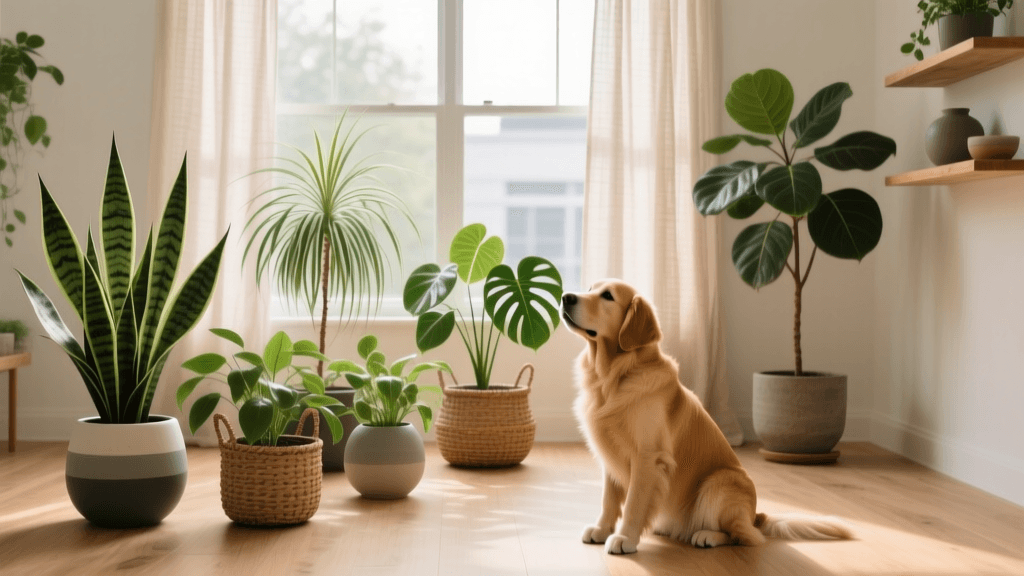
The Clash Between Biophilic Design and Canine Curiosity
Bringing the outdoors inside through biophilic design is a massive trend in modern home decor. Houseplants purify the air, boost our mood, and add vibrant life to our living spaces. However, for dog owners, this indoor jungle can quickly become a hazardous landscape. Dogs, especially puppies and highly active breeds, explore their environment primarily through their noses and mouths. A low-hanging pothos or a floor-level fern isn't just a decorative element to them; it is an intriguing toy, a potential snack, or a digging spot.
According to the ASPCA's Toxic and Non-Toxic Plants list, hundreds of common household plants contain compounds that can cause severe gastrointestinal distress, neurological issues, or even fatal organ failure in canines. Dog-proofing your indoor garden doesn't mean you have to sacrifice your love for botany. It simply requires strategic planning, an understanding of plant toxicity, and a commitment to selecting pet-safe alternatives.
Understanding the Hidden Dangers of Houseplant Toxicity
Plants have evolved chemical and physical defense mechanisms to deter herbivores from eating them. Unfortunately, our dogs often fall victim to these defenses. The most common toxic compounds found in popular houseplants include:
- Insoluble Calcium Oxalates: Found in plants like Pothos, Philodendron, and Peace Lilies, these microscopic, needle-like crystals penetrate the soft tissues of a dog's mouth, tongue, and throat, causing immediate pain, swelling, and excessive drooling.
- Saponins: Present in Aloe Vera and Snake Plants, saponins are foaming compounds that irritate the gastrointestinal tract, leading to vomiting, diarrhea, and lethargy.
- Cycasin: A highly toxic glycoside found in the Sago Palm. Cycasin causes severe, often irreversible liver failure and can be fatal even in small ingested amounts.
Because dogs cannot differentiate between a toxic weed and a harmless leaf, the burden of safety falls entirely on the pet owner's ability to curate and manage the home environment.
The Ultimate Toxic vs. Safe Plant Comparison Chart
When shopping for your next indoor plant, use this comparison chart to swap out dangerous staples for beautiful, dog-friendly alternatives that offer a similar aesthetic without the risk.
| Popular Toxic Plant | Toxicity Level & Symptoms | Pet-Safe Alternative |
|---|---|---|
| Sago Palm | Severe: Liver failure, seizures, death. The Pet Poison Helpline notes that all parts are toxic, especially the seeds. | Areca Palm (Dypsis lutescens) - Safe, adds tropical flair, non-toxic. |
| Pothos (Devil's Ivy) | Moderate: Oral irritation, intense burning, vomiting, difficulty swallowing. | Peperomia (e.g., Watermelon Peperomia) - Safe, trailing habit, similar leafy look. |
| Snake Plant | Mild to Moderate: Nausea, vomiting, diarrhea due to saponins. | Spider Plant - Safe, architectural leaves, highly resilient. |
| Aloe Vera | Moderate: Vomiting, lethargy, tremors, changes in urine color. | Haworthia (Zebra Plant) - Safe, similar succulent rosette shape. |
| Peace Lily | Moderate: Oral irritation, excessive drooling, vomiting. | Calathea (Prayer Plant) - Safe, stunning patterned leaves, loves humidity. |
Actionable Strategies to Dog-Proof Your Indoor Garden
Even with non-toxic plants, a dog chewing on leaves or digging in the soil can destroy your botanical collection and create a messy home environment. Here are practical, actionable strategies to protect both your plants and your pup.
1. Strategic Elevation and Hanging Planters
The simplest way to protect your plants is to remove them from your dog's reach. However, 'out of reach' means different things for a Chihuahua versus a Great Dane. The Measurement Rule: Hang plants or place them on shelves at least 5 to 6 feet off the ground. Large breeds can easily reach 4 feet when standing on their hind legs. Hardware Recommendations: Use heavy-duty ceiling hooks rated for at least 15 lbs to hang macrame planters. Ensure the hanger is positioned at least 3 feet away from any furniture (like sofas or beds) that your dog might jump onto to gain extra height.
2. Physical Barriers and Plant Cages
If you prefer floor plants, physical barriers are essential. Product Tip: Invest in tiered bamboo plant stands with wire mesh backing (typically costing between $40 and $70 online). Alternatively, use decorative wire cloches or glass terrariums for smaller, delicate plants. For larger floor plants like the Areca Palm, consider placing a decorative wire fence or a small, freestanding pet playpen around the base to prevent digging and trunk-chewing.
3. Taste Deterrents and Training
Deterrent sprays can help train your dog to avoid planters altogether. Product Tip: Grannick's Bitter Apple Spray (approx. $15 for an 8 oz bottle) is a staple for dog owners. Spray the outside of the ceramic pots and the lower leaves of safe plants. Timing and Application: During the initial training phase, reapply the spray every 24 to 48 hours. When your dog approaches the plant and gets a bitter taste, immediately redirect them to an appropriate chew toy and reward them heavily for engaging with the toy instead.
Beyond the Leaves: Soil, Mulch, and Fertilizers
Often, the danger isn't the plant itself, but what it's potted in. The Humane Society's guide on poisonous plants warns that gardening accessories can be just as hazardous as the foliage.
- Avoid Cocoa Bean Mulch: Often used for its rich color and chocolate-like scent, cocoa bean mulch contains theobromine—the exact same compound that makes chocolate toxic to dogs. Ingestion can cause elevated heart rates, tremors, and seizures. Safe Alternative: Use coconut coir, untreated pine bark, or decorative river stones as a soil topper.
- Fertilizer Dangers: Organic fertilizers containing 'bone meal' or 'blood meal' are highly attractive to dogs due to their scent. If ingested, bone meal can form a concrete-like mass in the stomach, causing life-threatening gastrointestinal blockages. Safe Alternative: Use liquid synthetic fertilizers or compost teas, and always store bulk gardening supplies in a locked garage or heavy-duty latching bin.
- Pot Selection: Dogs can easily knock over lightweight plastic or thin terracotta pots, spilling soil and potentially breaking the pot into sharp shards. Actionable Advice: Choose heavy concrete, thick glazed ceramic, or weighted resin planters. A large floor planter should weigh at least 10 to 15 lbs when empty to prevent tipping.
Emergency Protocol: What to Do If Ingestion Occurs
No matter how careful you are, accidents happen. If you suspect your dog has chewed on a toxic houseplant, immediate and calm action is critical.
Pro-Tip: Never induce vomiting using hydrogen peroxide or salt unless explicitly instructed to do so by a licensed veterinarian. Some plant compounds, particularly caustic saps or oils, can cause severe secondary burns to the esophagus and throat on the way back up.
- Secure the Dog: Remove your dog from the area immediately to prevent further ingestion.
- Identify the Culprit: Take clear photos of the plant, including the leaves, stems, and any flowers or berries. If the plant is unidentified, bring a sample to the vet in a sealed plastic bag.
- Wipe the Mouth: Gently wipe your dog's gums and teeth with a damp cloth to remove any lingering plant sap or calcium oxalate crystals.
- Call the Experts: Contact your primary veterinarian, an emergency animal hospital, or a dedicated poison control center immediately. Keep the ASPCA Animal Poison Control Center (APCC) number saved in your phone: (888) 426-4435. Note that a consultation fee may apply, but it is a life-saving resource.
- Monitor Symptoms: Take notes on the timing of the ingestion, the estimated amount consumed, and any symptoms (drooling, pawing at the mouth, vomiting, lethargy) to relay to the veterinary team.
Conclusion: A Harmonious Home for Paws and Plants
Creating a dog-proof indoor garden is entirely possible with the right knowledge and a bit of environmental management. By swapping out toxic staples like the Sago Palm and Pothos for lush, pet-safe alternatives like the Areca Palm and Calathea, you eliminate the hidden chemical dangers in your home. Combine this smart plant selection with strategic elevation, heavy planters, and safe soil toppers, and you can cultivate a thriving indoor jungle that is as safe as it is beautiful. Your dog gets to explore a secure environment, and you get to enjoy the peace of mind that comes with responsible, informed pet ownership.
jonas-cole
All our authors care for dogs every day — read more of their work on the authors page.