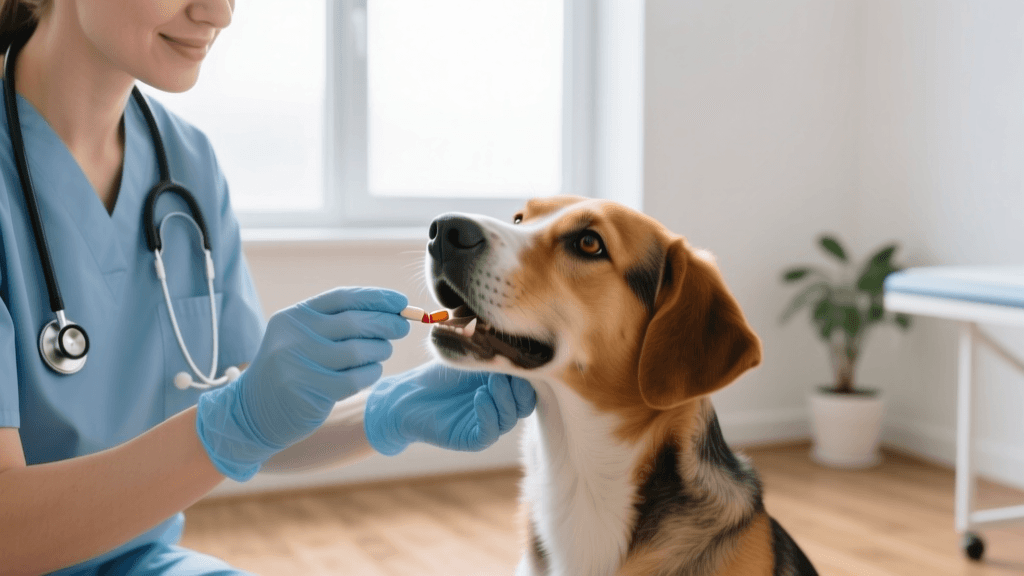
Dog Motion Sickness and Travel Anxiety: A Complete Guide
Discover vet-approved tips to cure dog motion sickness and travel anxiety. Learn about medications, natural remedies, and training for stress-free trips.

Traveling with your canine companion should be a joyous adventure, whether you are embarking on a cross-country road trip or heading to a local hiking trail. However, for many pet owners, the reality of dog-friendly travel is complicated by motion sickness and severe travel anxiety. When your dog associates the car with nausea or panic, every trip becomes a stressful ordeal for both of you. Understanding the physiological and psychological roots of travel distress is the first step toward transforming your dog into a confident, happy traveler. This comprehensive guide explores vet-approved strategies, natural remedies, and behavioral training techniques to help you conquer canine motion sickness and travel anxiety.
Understanding the Root Causes of Travel Distress
To effectively treat travel-related issues, it is crucial to distinguish between true motion sickness and anxiety-induced nausea. True motion sickness is a physiological response related to the vestibular system, which is located in the inner ear and controls balance. According to VCA Animal Hospitals, puppies are particularly prone to vestibular motion sickness because the structures of the inner ear are not fully developed. Fortunately, many dogs outgrow this physical sensitivity by the time they reach one year of age.
Conversely, travel anxiety is a psychological condition. If a dog has only ever ridden in a car to visit the veterinarian or the groomer, they will quickly associate the vehicle with fear and negative experiences. This anxiety triggers a sympathetic nervous system response, releasing adrenaline and cortisol, which can upset the gastrointestinal tract and cause vomiting. In these cases, the nausea is a secondary symptom of fear, meaning that anti-nausea medications alone will not solve the underlying problem.
Recognizing the Signs of Canine Motion Sickness
Dogs cannot verbally communicate that they are feeling queasy, so owners must rely on subtle behavioral and physical cues. Recognizing these signs early allows you to intervene before your dog reaches the point of vomiting. Common indicators of travel distress include:
- Excessive Drooling: Sudden, profuse salivation is one of the earliest signs of nausea.
- Lip Smacking and Swallowing: Repeatedly licking the lips or gulping indicates an upset stomach.
- Whining and Pacing: Vocalization and an inability to settle are primary markers of anxiety.
- Excessive Yawning: While yawning can mean tiredness, in a moving vehicle, it is often a calming signal or a sign of stress and nausea.
- Lethargy or Inactivity: A normally energetic dog that becomes unusually quiet, still, or withdrawn is likely feeling unwell.
- Vomiting or Dry Heaving: The most obvious and unfortunate physical manifestation of severe motion sickness.
Pre-Trip Desensitization Training
Behavioral modification is the most effective long-term solution for anxiety-induced travel sickness. Desensitization and counter-conditioning involve changing your dog's emotional response to the vehicle from negative to positive. This process requires patience, high-value treats (such as freeze-dried liver or boiled chicken), and a gradual approach.
Step 1: The Stationary Car. Begin with the car parked in the driveway and the engine turned off. Open the doors and allow your dog to explore the interior at their own pace. Toss high-value treats onto the seats and floor. Feed them their regular meals inside the car. Do this daily for a week until your dog happily jumps in expecting a reward.
Step 2: Engine On, No Movement. Once your dog is comfortable resting in the parked car, start the engine. Sit in the driver's seat, offer treats, and provide a long-lasting chew toy, like a frozen peanut butter Kong. Let the engine run for five to ten minutes, then turn it off and end the session on a positive note.
Step 3: Short, Positive Drives. Begin taking extremely short drives—just to the end of the driveway and back, or around the block. Gradually increase the duration of the drives over several weeks. Crucially, ensure that the destination is always a place your dog loves, such as a local park or a hiking trail. If the only destination is the vet, your dog's anxiety will persist.
Natural Remedies and Over-the-Counter Solutions
For mild cases of motion sickness or slight nervousness, natural remedies and over-the-counter (OTC) supplements can provide gentle relief. Always consult your veterinarian before introducing new supplements, especially if your dog is on other medications.
- Ginger: Ginger root is a well-known natural antiemetic. You can find ginger-infused dog treats or use powdered ginger capsules. A general guideline is 1/4 teaspoon for small dogs and up to 1 teaspoon for large dogs, administered 30 minutes before travel.
- Dog-Appeasing Pheromones (DAP): Products like Adaptil mimic the calming pheromones produced by a nursing mother dog. Spraying Adaptil in the car or on a travel bandana 15 minutes before departure can significantly reduce environmental stress.
- L-Theanine and Melatonin: Supplements containing L-Theanine (an amino acid found in green tea) or melatonin can promote relaxation without heavy sedation. Brands like Zesty Paws or VetriScience offer specialized travel chews combining these ingredients.
Comparison of Travel Remedies
| Remedy Type | Examples | Onset Time | Best For | Estimated Cost |
|---|---|---|---|---|
| Natural / Herbal | Ginger root, Chamomile | 30-45 mins | Mild queasiness, sensitive stomachs | $10 - $15 |
| Pheromones | Adaptil Spray, ThunderEase | 15-20 mins | Environmental anxiety, nervousness | $15 - $25 |
| OTC Calming Chews | L-Theanine, Melatonin, Hemp | 45-60 mins | Mild to moderate travel anxiety | $20 - $35 |
| OTC Antihistamines | Diphenhydramine (Benadryl), Meclizine | 1-2 hours | Physical motion sickness (vestibular) | $5 - $15 |
| Prescription Meds | Cerenia (Maropitant), Trazodone | 1-2 hours | Severe vomiting, extreme panic | $30 - $80+ |
Prescription Medications for Severe Cases
When behavioral training and natural remedies are insufficient, veterinary intervention is necessary. For true physiological motion sickness, veterinarians frequently prescribe Cerenia (maropitant citrate). Cerenia is highly effective because it targets the neurokinin-1 (NK-1) receptors in the brain's vomiting center, preventing the physical act of emesis without causing heavy drowsiness.
For severe psychological travel anxiety, veterinarians may prescribe situational anti-anxiety medications such as Trazodone, Gabapentin, or Alprazolam. These medications alter brain chemistry to reduce panic and fear responses. It is vital to test these medications at home before your actual travel date, as some dogs can experience paradoxical excitation (becoming hyperactive instead of calm) or excessive sedation.
In-Transit Best Practices for a Smooth Journey
Proper preparation on the day of travel can drastically reduce the likelihood of an upset stomach or a panic attack. Implement the following protocols to ensure a safe and comfortable journey:
- Fasting Before Travel: Withhold food for three to four hours prior to departure to ensure the stomach is empty, reducing the chance of vomiting. However, always provide access to fresh water to prevent dehydration.
- Secure Restraint Systems: An unrestrained dog is not only a projectile hazard in the event of a crash but also feels physically insecure. Use a crash-tested harness, such as the Sleepypod Clickit Sport or the Kurgo Tru-Fit Smart Harness, attached to the vehicle's seatbelt. Alternatively, use a secured, hard-sided travel crate anchored in the cargo area or back seat.
- Temperature and Airflow: Keep the vehicle cool and well-ventilated. Roll down the windows slightly to provide fresh air and equalize inner-ear pressure, but never allow your dog to stick their head fully out the window, which risks eye injuries from debris.
- Frequent Breaks: Stop every two to three hours to allow your dog to stretch their legs, hydrate, and relieve themselves. Use a secure, long-line leash in unfamiliar rest areas to prevent bolting.
- Pack a Canine First-Aid Kit: Include enzymatic cleaners for accidents, paper towels, poop bags, a portable water bowl, and any prescribed emergency medications.
Flying with an Anxious Dog
Air travel presents unique challenges for dogs with travel anxiety. If your dog is small enough to fly in the cabin, use a soft-sided, airline-approved carrier lined with a familiar, unwashed t-shirt that smells like you.
If your dog must travel in the cargo hold, the American Veterinary Medical Association (AVMA) strongly advises against the use of tranquilizers or sedatives. Sedation depresses the respiratory and cardiovascular systems, and the changes in altitude and oxygen levels in the cargo hold can lead to fatal complications. Instead, focus on rigorous crate training months in advance so your dog views the crate as a safe den. Furthermore, the ASPCA recommends booking direct flights to minimize the time your pet spends in transit and on the tarmac, and always ensure your dog's microchip and collar ID tags are updated with your current contact information before heading to the airport.
Conclusion
Overcoming dog motion sickness and travel anxiety is rarely a quick fix; it requires a combination of patience, behavioral science, and sometimes medical support. By identifying whether your dog suffers from vestibular nausea or psychological fear, you can tailor a treatment plan that works. Through gradual desensitization, the strategic use of calming aids, and strict adherence to in-transit safety protocols, you can transform car rides from a source of dread into the exciting beginning of your next great adventure. Always partner with your veterinarian to create a safe, customized travel health plan for your furry co-pilot.
beth-carrasco
All our authors care for dogs every day — read more of their work on the authors page.