Dog Leash Reactivity: Diagnosing Fear vs Frustration
Is your dog barking and lunging on walks? Learn how to diagnose fear versus frustration reactivity and apply step-by-step desensitization solutions.
Understanding Leash Reactivity: It is Not Just Bad Behavior
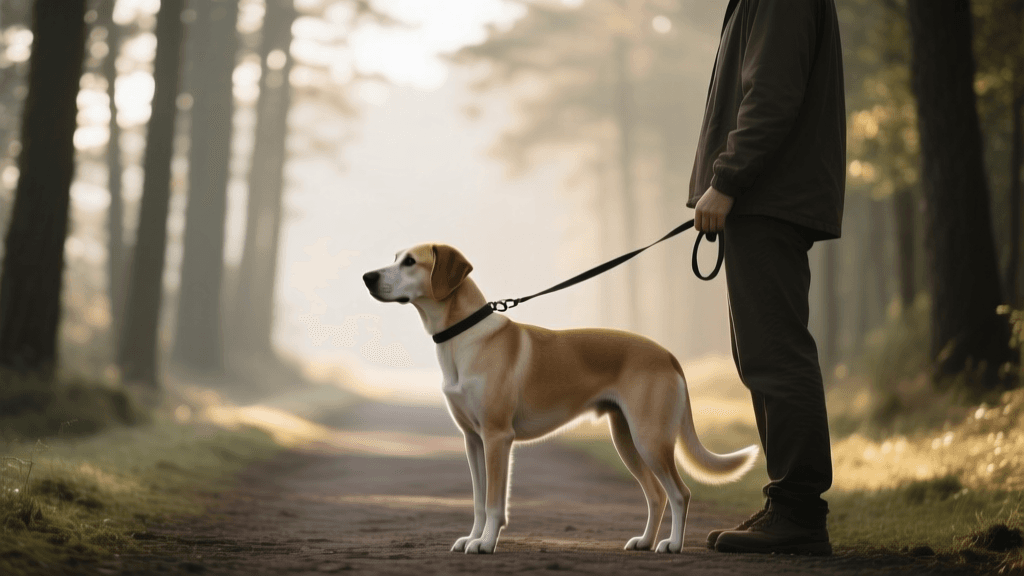
Walking your dog should be a relaxing bonding experience, but for owners of reactive dogs, it often feels like navigating a minefield. Leash reactivity—characterized by barking, lunging, growling, or pulling when encountering triggers like other dogs, strangers, or bicycles—is one of the most common behavioral issues reported by pet owners. However, reactivity is not a diagnosis in itself; it is a symptom of an underlying emotional state. To effectively solve the problem, we must first understand the psychology behind the behavior.
According to the American Kennel Club (AKC), reactivity is often a manifestation of a dog feeling overwhelmed, trapped, or overly stimulated. The leash itself plays a massive psychological role. When a dog is off-leash in an open field, they have the autonomy to approach or retreat from a trigger as they see fit. When clipped to a leash, that flight option is removed. This restriction can trigger a 'fight' response in fearful dogs, or it can amplify the frustration of highly social dogs who want to greet but are physically held back. Diagnosing whether your dog is acting out of fear or frustration is the critical first step in creating a customized behavior modification plan.
Diagnosing the Root Cause: Fear vs. Frustration
Before implementing any training solutions, you must become a student of canine body language. Misinterpreting a fearful dog as an aggressive or frustrated one can lead to training methods that inadvertently worsen the behavior. For example, forcing a fearful dog into a 'sit-stay' while a trigger approaches can increase their panic, whereas allowing a frustrated dog to constantly pull toward a trigger reinforces the lunging behavior.
Fear-based reactivity is driven by the desire to increase distance from the trigger. The dog is saying, 'Stay away from me.' Frustration-based reactivity (often called barrier frustration) is driven by the desire to decrease distance. The dog is saying, 'Let me go say hello!'
Diagnostic Comparison Chart: Fear vs. Frustration
| Behavioral Feature | Fear-Based Reactivity | Frustration-Based Reactivity |
|---|---|---|
| Core Motivation | Increase distance from the trigger | Decrease distance to the trigger |
| Ear Position | Pinned flat back or swiveling nervously | Pricked forward, highly alert |
| Tail Posture | Tucked low between legs or stiffly vibrating | High, stiff, or rapid, broad wagging |
| Vocalization | High-pitched barking, growling, or whining | Deep barking, excited whining, panting |
| Post-Encounter | Shakes off, avoids, hides, or remains stressed | Calms down quickly if allowed to greet |
| Off-Leash Behavior | Avoids other dogs or shows submissive signals | Highly social, plays well with others |
Observing these subtle differences in ear carriage, tail position, and post-encounter behavior will dictate your training approach. If you are unsure, assume fear and prioritize giving your dog space.
Essential Gear for Reactive Dogs
You cannot train a dog that is physically pulling you down the street. Upgrading your equipment is a relatively low-cost investment that yields immediate improvements in safety and control. Expect to spend around $70 to $100 to properly outfit a reactive dog.
1. The 6-Foot Fixed Leash ($20 - $35)
Throw away the retractable leash immediately. Retractable leashes teach dogs that pulling gets them more freedom, and the thin cord can cause severe friction burns if a lunging dog wraps it around your leg. Invest in a 6-foot fixed-length leash made of Biothane or high-quality nylon. Biothane is highly recommended because it is waterproof, easy to sanitize, and does not become heavy or stiff in cold weather. A 6-foot length provides enough slack for your dog to sniff and decompress while keeping them close enough for rapid intervention.
2. Front-Clip Harness ($35 - $50)
A front-clip harness, such as the Ruffwear Front Range or the Blue-9 Balance Harness, is a game-changer for reactive dogs. When the leash is attached to the chest ring, any forward pulling naturally redirects the dog's momentum back toward the handler. This prevents the dog from rehearsing the physical act of lunging and gives you mechanical leverage without causing pain or tracheal damage. Avoid prong collars, choke chains, or e-collars; the ASPCA strongly advises against aversive tools, as adding pain to a fearful or frustrated dog will only escalate their negative emotional association with the trigger.
3. High-Value Treat Pouch ($15 - $25)
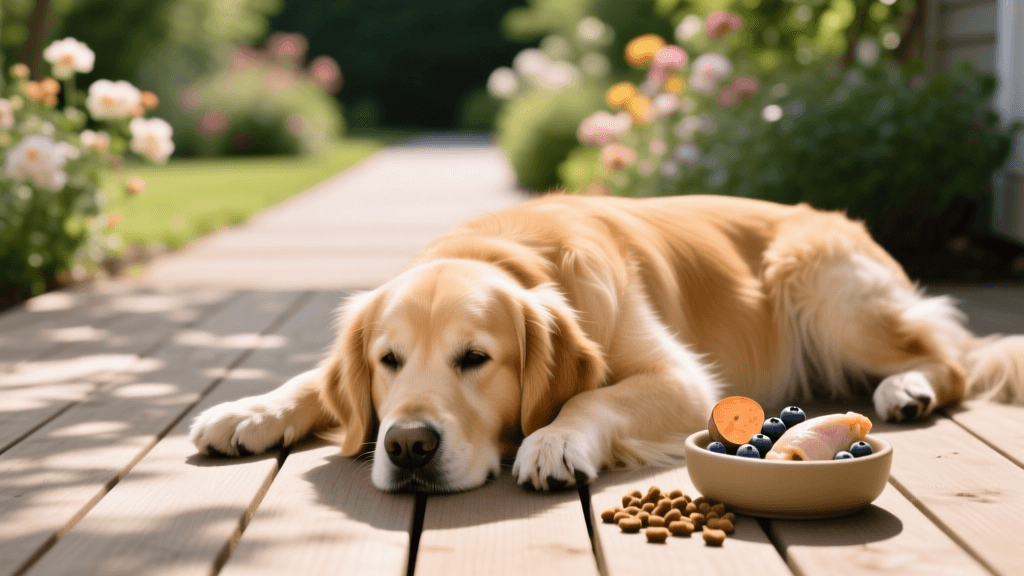
Timing is everything in behavior modification. Fumbling in your pockets costs you seconds, and in dog training, seconds matter. Wear a dedicated treat pouch on your hip or cross-body. Fill it with 'high-value' currency: boiled chicken breast, freeze-dried beef liver, or low-sodium string cheese. Dry kibble will not cut it when a dog's adrenaline is spiking.
Step-by-Step Solution: The Engage-Disengage Game
Once you have diagnosed the root cause and secured the proper gear, it is time to implement a desensitization and counter-conditioning (DS/CC) protocol. The 'Engage-Disengage' game is a foundational exercise designed to change your dog's emotional response to a trigger from 'panic/frustration' to 'calm anticipation of a reward.'
Step 1: Establish the Threshold Distance
A threshold is the distance at which your dog notices a trigger but does not react. For some dogs, this is 50 feet; for others, it is 200 feet. If your dog is barking, lunging, or refusing treats, you are over threshold. Find a quiet park or an empty parking lot where you can control the distance. Sessions should be kept short—10 to 15 minutes maximum, 3 to 4 times a week—to prevent cognitive fatigue.
Step 2: Mark and Reward (Engage)
When a trigger (like a distant dog) appears at a sub-threshold distance, your dog will look at it. The exact second they look, use a marker word like 'Yes!' or click a clicker, then immediately deliver a high-value treat. You are marking the behavior of noticing the trigger without reacting. Repeat this 5 to 10 times. You are rewiring the brain: 'Seeing a dog predicts chicken.'
Step 3: Mark and Reward (Disengage)
Once your dog understands that seeing a trigger means a treat is coming, they will start to look at the trigger and then immediately turn their head back to you, expecting the food. Now, you wait for them to voluntarily disengage. When they look at the trigger and then look back at you, mark 'Yes!' and give a jackpot reward (3 or 4 pieces of chicken). If they cannot disengage within 3 seconds, the trigger is too close. Increase your distance immediately.
Management and Environmental Setup
Training only happens during your designated 15-minute sessions. The rest of the time, your job is management. Every time your dog practices reactive behavior, the neural pathways associated with that behavior are strengthened. To prevent this, you must manage their environment.
- Visual Barriers: When walking and a trigger suddenly appears, use the environment. Step behind a parked car, a large tree, or a dumpster to block your dog's line of sight.
- The 'U-Turn' Cue: Teach an emergency U-turn indoors where there are no distractions. Use a cheerful cue like 'Let's go!' and pivot 180 degrees, tossing a treat a few steps behind you. Practice this daily so it becomes a reflex when you are ambushed on a walk.
- Decompression Walks (Sniffaris): Reactive dogs carry immense cortisol (stress hormone) buildup. Take your dog to an empty, fenced field or a quiet nature trail using a 15-foot long line. Allow them to sniff the ground uninterrupted for 30 minutes. Sniffing lowers a dog's heart rate and provides vital mental enrichment that physical exercise alone cannot achieve.
When to Call a Professional
While many dogs improve significantly with consistent owner-led desensitization, some cases require professional intervention. If your dog has a bite history, if you feel physically unable to hold them back, or if their reactivity is accompanied by severe anxiety (panting, drooling, inability to eat for hours after a walk), it is time to seek help. Look for a certified professional who uses force-free, science-based methods. The International Association of Animal Behavior Consultants (IAABC) maintains a directory of qualified behavior consultants who specialize in complex reactivity cases. Expect to invest between $150 and $250 per hour for private behavior consultations, which often include customized setup sessions with neutral 'helper' dogs to practice your Engage-Disengage skills in a controlled environment.
By accurately diagnosing the emotional driver behind the leash reactivity and applying structured, reward-based solutions, you can transform your daily walks from a source of dread into an opportunity for profound communication and trust-building with your dog.
jonas-cole
All our authors care for dogs every day — read more of their work on the authors page.