Google's Top Questions on Dog Joint Supplements Answered
Discover answers to Google's most-asked questions about dog joint supplements, including dosage, top ingredients, costs, and when to start them.
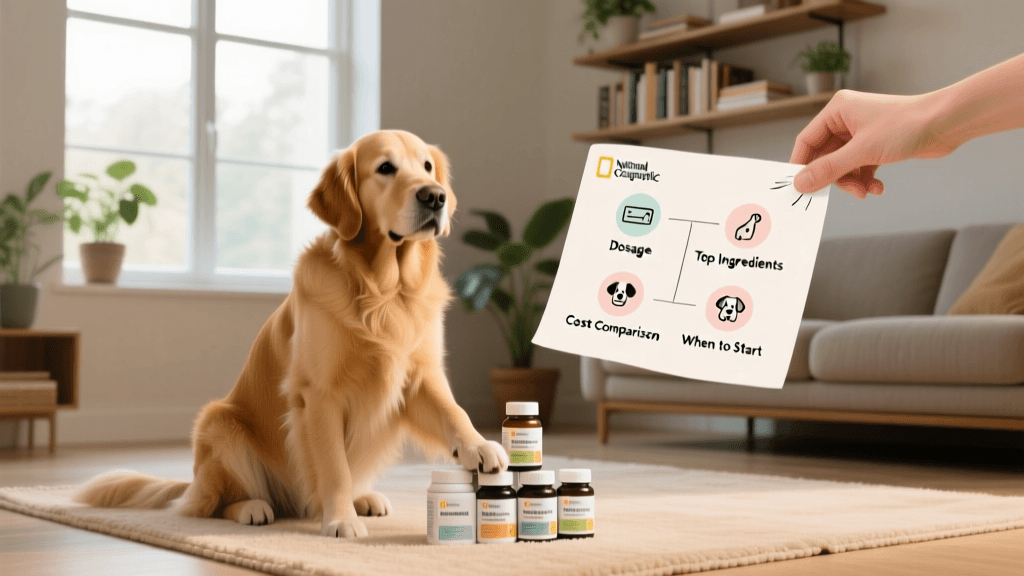
Google’s Most-Asked Questions About Dog Joint Supplements
If you have ever searched for ways to keep your aging dog comfortable, you have likely fallen down the internet rabbit hole of canine joint supplements. According to Google search trends, questions surrounding dog joint health, osteoarthritis management, and nutraceuticals are among the most frequently asked queries by pet parents worldwide. At Paws-Tales, we believe in cutting through the marketing noise to bring you evidence-based, veterinary-aligned answers.
Below, we tackle Google’s most-asked questions about dog joint supplements, providing actionable advice, specific product insights, and cost breakdowns to help you make the best decision for your furry best friend.
1. Do Dog Joint Supplements Actually Work?
The short answer is yes, but with important caveats. Joint supplements do not cure osteoarthritis (OA), nor do they regrow lost cartilage. Instead, they work to slow the progression of joint degeneration, reduce inflammation, and improve overall mobility. According to the American College of Veterinary Surgeons, osteoarthritis affects roughly 20% of dogs over the age of one, and up to 80% of dogs over the age of eight.
Supplements are classified as nutraceuticals. Unlike prescription Non-Steroidal Anti-Inflammatory Drugs (NSAIDs) like Carprofen or Meloxicam, which provide rapid pain relief, joint supplements require a "loading dose" period. This means you must administer them consistently for 4 to 8 weeks before noticing a significant improvement in your dog’s gait or willingness to climb stairs.
2. When Should I Start Giving My Dog Joint Supplements?
Prevention is always easier than reversal. Google users frequently ask when to introduce these supplements, and the answer depends heavily on your dog’s breed size and genetic predispositions.
- Giant Breeds (Great Danes, Mastiffs, Bernese Mountain Dogs): Start at 12 to 18 months of age. These breeds grow rapidly and place immense stress on developing joints.
- Large Breeds (Labrador Retrievers, Golden Retrievers, German Shepherds): Start at 15 to 24 months of age, or immediately if diagnosed with hip or elbow dysplasia.
- Medium Breeds (Border Collies, Bulldogs): Start around 2 to 3 years of age, or when they begin showing signs of stiffness after heavy exercise.
- Small Breeds (Chihuahuas, Pomeranians): Small dogs are prone to luxating patellas rather than hip dysplasia. Begin supplementation around 5 to 7 years of age, or at the first sign of mobility issues.
3. What Are the Best Ingredients to Look For?
Not all joint supplements are created equal. Many budget brands use "fairy dusting"—including a long list of ingredients in such minuscule amounts that they provide no clinical benefit. When reading the label, look for these five clinically backed ingredients.
| Active Ingredient | Primary Function | Typical Daily Dosage (for a 50lb Dog) | Time to See Results |
|---|---|---|---|
| Glucosamine HCl | Provides building blocks for glycosaminoglycans (GAGs) and cartilage repair. | 500 mg - 1000 mg | 4 - 6 weeks |
| Chondroitin Sulfate | Inhibits enzymes that break down cartilage and draws water into the joint. | 400 mg - 800 mg | 4 - 8 weeks |
| MSM (Methylsulfonylmethane) | Reduces systemic inflammation and acts as a natural pain modulator. | 250 mg - 500 mg | 2 - 4 weeks |
| Omega-3 Fatty Acids (EPA/DHA) | Interrupts the inflammatory cascade within the joint capsule. | 1000 mg - 2000 mg | 4 - 12 weeks |
| Green-Lipped Mussel | Rich in ETA (eicosatetraenoic acid) and natural GAGs for comprehensive joint support. | 15 mg - 30 mg per kg of body weight | 4 - 6 weeks |
4. Can I Give My Dog Human Joint Supplements?
This is one of the most dangerous questions in Google’s "People Also Ask" section. The answer is a resounding NO. While the active ingredients (like glucosamine) might be similar, human supplements often contain inactive ingredients, flavorings, and sweeteners that are highly toxic to dogs.
The most critical threat is Xylitol (birch sugar), a common sweetener in human chewable vitamins and gummies. Even a small amount of xylitol can cause a rapid, life-threatening drop in blood sugar (hypoglycemia) and acute liver failure in dogs. Furthermore, human dosages are calibrated for a 150-pound adult, making it incredibly easy to accidentally overdose a 40-pound dog, leading to severe gastrointestinal distress. The American Kennel Club (AKC) strongly advises using only veterinary-formulated products to ensure safety and appropriate bioavailability.
5. How Much Do Quality Joint Supplements Cost?
Budgeting for your dog’s long-term health is essential. The cost of joint supplements varies wildly based on the format and the brand's quality control standards.
- Soft Chews ($30 - $55 per 60-count bag): Costing roughly $0.50 to $1.00 per day, chews are the most popular format. However, be aware that they contain caloric binders (like tapioca flour) which can contribute to weight gain in sedentary dogs.
- Powders ($25 - $45 per 60-day tub): Costing about $0.40 to $0.75 per day, powders are highly bioavailable and easily hidden in wet food. They are the most cost-effective option for giant breeds requiring high doses.
- Liquids/Pumps ($20 - $40 per bottle): Costing $0.50 to $0.90 per day, liquids are excellent for picky eaters or dogs with dental issues, though they require careful storage to prevent oxidation of Omega oils.
6. Which Brands Do Veterinarians Actually Recommend?
When navigating the saturated supplement market, look for brands that undergo independent third-party testing or carry the National Animal Supplement Council (NASC) Quality Seal. The top three brands consistently recommended by veterinary orthopedic specialists include:
- Dasuquin Advanced (by Nutramax Laboratories): Widely considered the gold standard. It contains a proprietary mix of ASU (Avocado/Soybean Unsaponifiables), which has been shown to prevent cartilage degradation. Expect to pay around $65 for a 84-count bottle for medium/large dogs.
- Cosequin DS Plus MSM: A more budget-friendly option from the same trusted manufacturer, excellent for early-stage stiffness. Costs approximately $35 for 132 capsules.
- Glyco-Flex Plus (by VetriScience): Formulated with New Zealand Green-Lipped Mussel, this is a fantastic choice for dogs with allergies to shellfish-derived glucosamine (as the mussel profile is often tolerated differently) and active working dogs.
7. What is the Missing Link in Joint Health?
No supplement on earth can outwork the physics of excess weight. Google searches often focus on pills and powders, but the most effective "supplement" for joint health is weight management. According to the Tufts Cummings Veterinary Medical Center, a mere 5% to 10% reduction in body weight can significantly decrease lameness and improve the quality of life in overweight dogs with osteoarthritis.
Actionable Routine: Combine a high-quality joint supplement with a controlled-calorie diet and low-impact exercises like swimming or leash walking on soft grass. Avoid high-impact activities like frisbee or agility jumping if your dog has already been diagnosed with joint degradation.
The Bottom Line
Dog joint supplements are a vital tool in your canine healthcare arsenal, provided they are used correctly. Start early for large breeds, read the labels for clinical dosages of Glucosamine and Chondroitin, and never substitute human vitamins for canine-specific formulas. Always consult your primary veterinarian before starting a new supplement regimen, especially if your dog is currently taking prescription medications or has underlying metabolic conditions.
aaron-whyte
All our authors care for dogs every day — read more of their work on the authors page.