First-Time Owner Guide to Puppy Vaccines and Costs
Learn the essential puppy vaccination schedule, average costs, and side effects in this complete first-time owner guide to canine preventative health care.
Welcome to Dog Ownership: Why Puppy Vaccines Matter
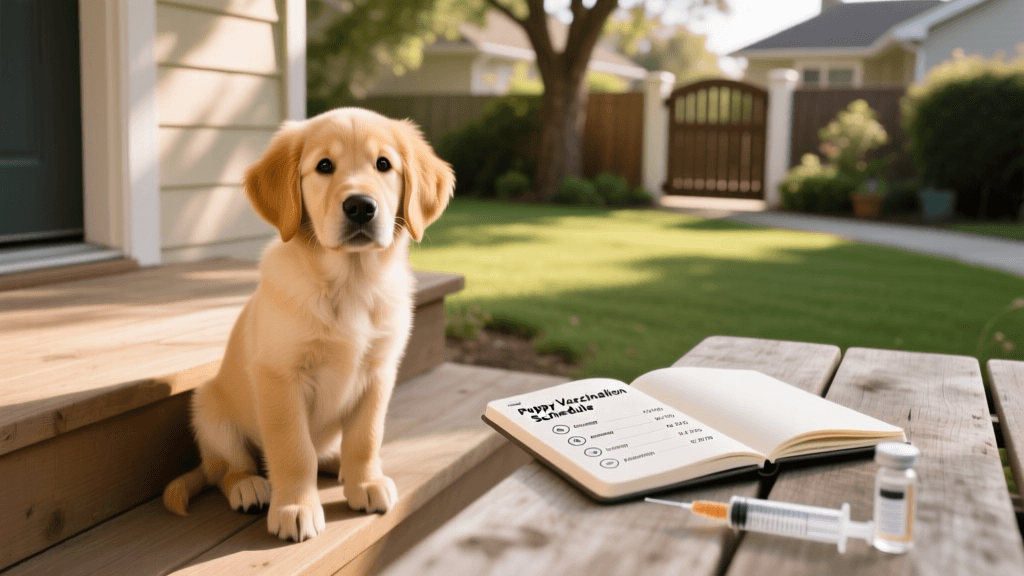
Bringing home your first puppy is an exhilarating milestone, but it also comes with a steep learning curve regarding their health and wellbeing. One of the most critical responsibilities of a new dog owner is navigating the puppy vaccination schedule. Vaccines are the cornerstone of preventative veterinary care, protecting your vulnerable pup from life-threatening, highly contagious diseases like Parvovirus, Distemper, and Rabies.
When puppies are born, their immune systems are not fully developed. They receive temporary immunity from their mother's colostrum (first milk), which contains maternal antibodies. However, these maternal antibodies gradually wane between 6 and 16 weeks of age. This creates a 'window of susceptibility' where the puppy is no longer protected by the mother but is not yet fully immune from vaccines. Because we cannot pinpoint exactly when maternal antibodies drop, veterinarians administer a series of booster shots every 2 to 4 weeks to ensure the puppy's immune system is adequately primed. Understanding this biological timeline is crucial for first-time owners to avoid gaps in protection.
The Core vs. Non-Core Puppy Vaccination Schedule
The American Veterinary Medical Association (AVMA) and the American Animal Hospital Association (AAHA) categorize canine vaccines into two distinct groups: core and non-core. Understanding the difference will help you make informed, budget-conscious decisions with your veterinarian.
Core Vaccines Explained
Core vaccines are universally recommended for every dog, regardless of their geographic location or lifestyle. These protect against severe, globally distributed diseases.
- DHPP (or DAPP): This combination vaccine protects against Distemper, Adenovirus (Hepatitis), Parainfluenza, and Parvovirus. Parvovirus, in particular, is a highly contagious and often fatal gastrointestinal virus that disproportionately affects unvaccinated puppies.
- Rabies: A fatal viral disease that affects the central nervous system and can be transmitted to humans. Rabies vaccination is required by law in most regions.
Non-Core (Lifestyle) Vaccines
Non-core vaccines are prescribed based on your puppy's specific environmental exposure risks. According to the American Kennel Club (AKC), your vet will assess your lifestyle before recommending these.
- Bordetella (Kennel Cough): Essential if your puppy will attend daycare, boarding facilities, group training classes, or visit dog parks.
- Leptospirosis: A bacterial infection spread through the urine of infected wildlife (like raccoons and rodents). Recommended for dogs who hike, swim in lakes, or live in areas with high wildlife populations.
- Lyme Disease: Transmitted by ticks. Crucial for dogs living in or traveling to heavily wooded, tick-endemic regions like the Northeastern United States.
- Canine Influenza (H3N2 and H3N8): Recommended for highly social dogs in densely populated urban areas or those frequently boarded.
Puppy Vaccination Timeline and Estimated Costs
Budgeting for a puppy's first year can be daunting. Below is a structured timeline and cost estimate to help first-time owners prepare financially. Note that costs vary significantly based on your geographic location, the type of clinic (private practice vs. low-cost shelter clinic), and regional disease prevalence.
| Puppy Age | Vaccines Administered | Purpose | Estimated Cost Range |
|---|---|---|---|
| 6 - 8 Weeks | DHPP (1st dose), Bordetella (Optional) | Initial immune priming; early socialization prep | $40 - $75 |
| 10 - 12 Weeks | DHPP (2nd dose), Leptospirosis, Lyme | Booster immunity; lifestyle protection | $60 - $120 |
| 14 - 16 Weeks | DHPP (3rd dose), Rabies | Final core booster; legal rabies compliance | $70 - $130 |
| 12 - 16 Months | DHPP Booster, Rabies Booster | Transition to adult immunity schedule | $50 - $100 |
Breaking Down the Costs: What First-Time Owners Should Budget
When planning your puppy's healthcare budget, do not just calculate the price of the vaccine vials. Veterinary invoices include several other necessary components:
- Office Visit / Exam Fee: Expect to pay between $50 and $100 per visit. This fee covers the veterinarian's comprehensive physical examination, which is vital for catching congenital issues, heart murmurs, or umbilical hernias early.
- Fecal Parasite Screen: Puppies are notorious for intestinal parasites like roundworms, hookworms, and Giardia. A fecal float test typically costs $30 to $50 and should be done at least twice during the puppy series.
- Deworming Medications: Broad-spectrum liquid or chewable dewormers (e.g., Pyrantel Pamoate or Fenbendazole) usually cost $15 to $30 per dose.
- Heartworm & Flea/Tick Prevention: Monthly preventatives like Simparica Trio or Heartgard Plus cost roughly $20 to $40 per month. The ASPCA (ASPCA) highly emphasizes year-round prevention as a core tenet of canine wellness.
Budgeting Tip: Many veterinary clinics offer 'Puppy Wellness Packages' that bundle exams, vaccines, fecal tests, and microchipping for a flat fee, often ranging from $250 to $450. This can save first-time owners up to 20% compared to a la carte pricing.
Recognizing and Managing Vaccine Side Effects
It is entirely normal to feel anxious about how your puppy will react to their shots. While modern vaccines are incredibly safe, they do stimulate the immune system, which can cause temporary, mild side effects.
Mild Reactions (What to Expect)
For 24 to 48 hours post-vaccination, your puppy may experience:
- Lethargy and increased sleeping
- Mild fever
- Decreased appetite
- Localized swelling or tenderness at the injection site
Actionable Advice: Keep your puppy comfortable in a quiet room. Offer a high-value, easily digestible meal like boiled chicken and white rice if they seem uninterested in their kibble. Do not administer human pain medications like Ibuprofen or Tylenol, as these are highly toxic to dogs.
Severe Reactions (When to Call the Vet)
Anaphylaxis is a rare but life-threatening allergic reaction that typically occurs within minutes to a few hours of vaccination. Rush to an emergency vet if you observe:
- Facial swelling (especially around the muzzle and eyes)
- Hives or severe itching
- Vomiting or severe diarrhea
- Difficulty breathing, wheezing, or pale gums
- Collapse or extreme weakness
Actionable Advice: For a puppy's first Rabies vaccine, it is highly recommended to wait in the veterinary clinic's lobby for 15 to 20 minutes after the appointment before heading home, ensuring immediate access to epinephrine and emergency care if a reaction occurs.
Safely Socializing During the Vaccination Window
A common and dangerous myth among first-time owners is that puppies must be kept entirely indoors and isolated until their final DHPP booster at 16 weeks. While protecting them from Parvovirus is critical, the primary socialization window for puppies closes around 14 weeks of age. Missing this window can lead to severe behavioral issues, fear, and aggression later in life.
To balance physical health with mental wellbeing, practice safe socialization:
- Avoid High-Risk Zones: Do not let your puppy walk on the grass at dog parks, pet stores, or public rest areas where unknown dogs have defecated.
- Use a Carrier or Stroller: Take your puppy to outdoor cafes or hardware stores in a secure pet stroller or carrier. This exposes them to novel sights, sounds, and smells without their paws touching contaminated soil.
- Host Controlled Playdates: Invite friends who have fully vaccinated, healthy, and temperamentally sound adult dogs to your private, fenced backyard for supervised play.
- Carry Them: Walking through your neighborhood while carrying your pup allows them to observe traffic, bicycles, and strangers from the safety of your arms.
Actionable Tips for Your Puppy's First Vet Visits
Setting a positive precedent for veterinary care will save you years of stress. Follow these steps to ensure smooth appointments:
- Bring a Fresh Stool Sample: Collect a fecal sample within 24 hours of the appointment and store it in a sealed container in the refrigerator. This saves you from having to wait for a lab drop-off and speeds up the diagnosis of intestinal parasites.
- Pack High-Value Treats: Bring soft, smelly treats like Zuke's Mini Naturals or small pieces of hot dog. Feed your puppy continuously during the physical exam to build positive associations with being handled.
- Use a Secure Restraint: Never carry a puppy loosely into a clinic. Use a secure, hard-sided carrier or a well-fitted front-clip harness with a sturdy leash. Clinic waiting rooms can be unpredictable, and a frightened puppy can easily slip out of a collar and bolt.
- Request a Digital Copy of Records: Always ask the front desk to email you a copy of your puppy's updated vaccine certificates and microchip registration. You will need these for boarding, daycare, and local dog licensing.
Conclusion
Navigating the puppy vaccination schedule is a foundational step in your journey as a first-time dog owner. By understanding the difference between core and lifestyle vaccines, budgeting appropriately for veterinary visits, and knowing how to manage potential side effects, you are setting your puppy up for a lifetime of robust health. Partner closely with your veterinarian, ask questions whenever you feel uncertain, and remember that every vaccine administered is a vital shield protecting your new best friend from preventable harm.
anouk-beaumont
All our authors care for dogs every day — read more of their work on the authors page.