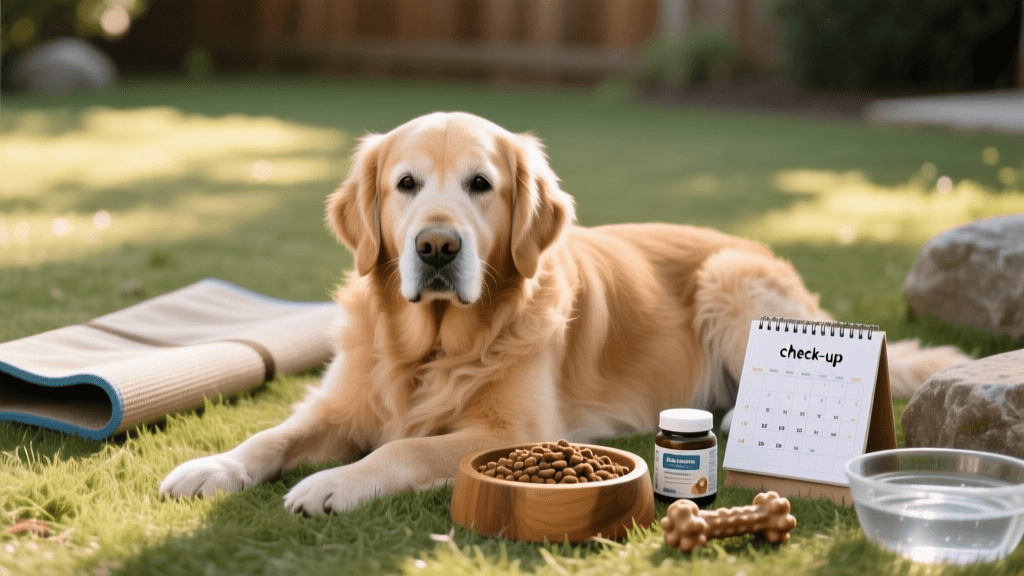
Recognizing Dog Health Problems: Common Symptoms, Causes, and Prevention
Learn to identify common dog health problems and symptoms. Discover causes, treatments, prevention tips, and when to visit the vet for your furry friend.

Recognizing Dog Health Problems: Common Symptoms, Causes, and Prevention
Disclaimer: The information provided in this article is for educational and informational purposes only and does not constitute veterinary advice. Always consult with a licensed veterinarian for professional medical advice, diagnosis, and treatment regarding your dog's health.
Dogs are far more than just pets; they are cherished family members, loyal companions, and constant sources of joy. However, because our canine friends cannot verbally communicate when they are feeling unwell, it falls entirely on us as pet parents to recognize the subtle and overt signs of illness. Understanding common dog health problems and their symptoms is the first and most crucial step in ensuring your furry friend lives a long, vibrant, and comfortable life.
From minor digestive upsets to more severe chronic conditions, the symptoms of canine illness can vary wildly depending on the underlying issue. Some dogs will stoically hide their pain, while others will exhibit dramatic behavioral changes. By educating yourself on the most frequent health issues, their root causes, and the available treatment options, you can become your dog's best advocate. This comprehensive guide will walk you through the essential symptoms to watch for, how to prevent common ailments, and exactly when you need to seek emergency veterinary care.
Common Dog Health Problems and Their Symptoms
Identifying the early warning signs of illness can drastically improve your dog's prognosis and reduce the overall cost and stress of veterinary treatments. Here is a breakdown of the most common categories of dog health problems and the specific symptoms associated with them.
Gastrointestinal Distress
The gastrointestinal (GI) tract is highly sensitive, and GI issues are among the most frequent reasons dog owners visit the vet. Symptoms of digestive problems include vomiting, diarrhea, constipation, excessive gas, and a sudden loss of appetite. While an isolated incident of vomiting or a single bout of soft stool might simply indicate that your dog ate something disagreeable, persistent GI distress is a major red flag. Chronic diarrhea can quickly lead to severe dehydration, especially in puppies and senior dogs. Additionally, if you notice blood in your dog's vomit or stool, or if their abdomen appears swollen and feels hard to the touch, these are critical symptoms requiring immediate attention.
Dermatological Issues and Allergies
Skin conditions are incredibly common in dogs and can be a source of immense discomfort. The most obvious symptom of a dermatological issue is excessive scratching, licking, or chewing at the skin. You might also notice hair loss, redness, flaky skin, or the development of moist, irritated areas known as hot spots. Ear infections, which are closely linked to skin allergies, often present with symptoms like head shaking, scratching at the ears, and a foul odor emanating from the ear canal. These issues are frequently triggered by environmental allergens, flea bites, or underlying food sensitivities.
Musculoskeletal and Joint Problems
Mobility issues can severely impact your dog's quality of life. Symptoms of joint and bone problems include limping, stiffness (especially after resting or waking up), reluctance to jump onto furniture or climb stairs, and a noticeable decrease in overall activity levels. Conditions such as osteoarthritis, hip dysplasia, and cruciate ligament tears are common culprits. In smaller breeds, luxating patellas (slipping kneecaps) can cause a dog to intermittently skip or hold up a hind leg while running.
Respiratory and Cardiovascular Signs
Heart and lung issues often manifest through changes in breathing and stamina. A persistent, dry cough (often described as sounding like a goose honk) can indicate conditions like tracheal collapse or kennel cough, while a wet, gargling cough might point to fluid in the lungs or heart disease. Other symptoms include rapid or labored breathing, excessive panting while at rest, fainting spells, and a bluish tint to the gums or tongue, which indicates a lack of oxygen.
Understanding the Root Causes of Canine Illnesses
To effectively treat and prevent health issues, it is important to understand what causes them. Canine illnesses rarely stem from a single source; rather, they are usually the result of a combination of genetic, environmental, and lifestyle factors.
Genetic Predispositions and Breed-Specific Risks
Many dog health problems are deeply rooted in genetics. Purebred dogs are particularly susceptible to hereditary conditions due to selective breeding practices. For example, large and giant breeds like German Shepherds and Golden Retrievers are highly prone to hip and elbow dysplasia, while brachycephalic (flat-faced) breeds like Pugs and French Bulldogs frequently suffer from respiratory distress and severe eye issues. Understanding your dog's breed-specific risks is vital for proactive health monitoring. You can learn more about specific breed traits and their associated health risks by exploring our comprehensive breed profiles.
Dietary Imbalances and Obesity
Nutrition plays a foundational role in canine health. Feeding your dog a diet that lacks essential nutrients, or overfeeding them to the point of obesity, can trigger a cascade of health problems. Obesity is a leading cause of diabetes, joint stress, cardiovascular disease, and a shortened lifespan. Conversely, nutritional deficiencies can lead to a weakened immune system, poor coat quality, and developmental issues in growing puppies. Ensuring your dog receives a balanced, species-appropriate diet is one of the most effective ways to ward off chronic illness. Visit our nutrition hub for detailed guides on feeding your dog for optimal health.
Environmental Toxins and Allergens
The environment your dog navigates daily is filled with potential hazards. Household cleaning chemicals, toxic plants (such as lilies, sago palms, and oleander), and certain human foods (like grapes, onions, and xylitol) can cause severe poisoning. Furthermore, environmental allergens like pollen, mold spores, and dust mites are primary triggers for atopic dermatitis and chronic allergic reactions in dogs.
Parasites and Infectious Diseases
External and internal parasites are a constant threat to canine wellbeing. Fleas and ticks not only cause intense itching and skin infections but also transmit serious diseases like Lyme disease and Ehrlichiosis. Internal parasites, including heartworms, roundworms, and hookworms, can cause severe organ damage, anemia, and even death if left untreated. Viral and bacterial infections, such as Parvovirus, Distemper, and Leptospirosis, remain prevalent threats, particularly for unvaccinated dogs or those with compromised immune systems.
Treatment Options and Managing Your Dog's Health
When your dog is diagnosed with a health problem, the treatment plan will depend heavily on the specific condition, its severity, and your dog's overall age and health status. Modern veterinary medicine offers a wide array of interventions to manage and cure canine illnesses.
Veterinary Medicine and Pharmaceuticals
For many acute and chronic conditions, pharmaceutical intervention is the first line of defense. Antibiotics are prescribed for bacterial infections, while anti-inflammatory medications (NSAIDs) are commonly used to manage pain and swelling associated with arthritis or injuries. Dogs suffering from severe allergies may be prescribed antihistamines, corticosteroids, or targeted biologic therapies like Cytopoint to suppress the immune response and provide relief from relentless itching. It is crucial to always administer medications exactly as prescribed by your veterinarian and never give your dog human medications without explicit veterinary approval, as many common human drugs are highly toxic to dogs.
Surgical Interventions
In cases of trauma, severe orthopedic issues, or internal diseases, surgery may be the most effective treatment. Procedures range from routine spaying and neutering to complex orthopedic surgeries like tibial plateau leveling osteotomy (TPLO) for torn cruciate ligaments. Surgical removal of tumors, dental extractions for severe periodontal disease, and emergency abdominal surgeries for conditions like gastric dilatation-volvulus (bloat) are also common life-saving interventions.
Physical Rehabilitation and Therapy
Physical therapy is no longer just for humans; canine rehabilitation has become a cornerstone of treating musculoskeletal issues and post-surgical recovery. Techniques such as hydrotherapy (underwater treadmills), laser therapy, therapeutic ultrasound, and targeted stretching exercises help dogs rebuild muscle mass, improve joint mobility, and manage chronic pain without relying solely on medications. This is especially beneficial for senior dogs dealing with the wear & tear of osteoarthritis.
Holistic and Supportive Care
Many pet owners are turning to holistic and integrative veterinary practices to complement traditional treatments. Acupuncture, chiropractic adjustments, and massage therapy can provide significant pain relief and improve overall mobility. Additionally, supplements such as glucosamine, chondroitin, omega-3 fatty acids, and probiotics are widely used to support joint health, reduce systemic inflammation, and promote a robust digestive system.
Proactive Prevention: Keeping Your Dog Healthy Year-Round
While treating illnesses is a vital part of pet ownership, preventing them from occurring in the first place is the ultimate goal. A proactive approach to your dog's health and wellbeing involves consistent daily habits and routine veterinary care.
Optimal Nutrition and Weight Management
Feeding your dog a high-quality, balanced diet tailored to their life stage, size, and activity level is paramount. Monitor their caloric intake closely and limit high-calorie treats to prevent obesity. If your dog has specific health issues, such as kidney disease or food allergies, your vet may recommend a specialized prescription diet. Maintaining a lean body condition score is one of the most proven ways to extend your dog's lifespan and delay the onset of chronic diseases.
Consistent Exercise and Mental Stimulation
Physical activity is essential for maintaining cardiovascular health, muscle tone, and joint flexibility. However, exercise needs vary greatly by breed and age. While a Border Collie may require hours of vigorous running and agility work, a Basset Hound may only need a leisurely daily walk. Mental stimulation is equally important; puzzle toys, scent work, and obedience training keep your dog's brain sharp and prevent destructive behaviors born from boredom. For tips on creating a safe and effective fitness routine, check out our training and exercise guides.
Routine Grooming and Dental Hygiene
Grooming is not just about aesthetics; it is a critical health check. Regular brushing helps distribute natural skin oils, prevents painful matting, and allows you to check for lumps, bumps, ticks, or skin infections. Equally important is dental care. Periodontal disease affects the vast majority of dogs by the time they reach three years of age. Bacteria from infected gums can enter the bloodstream and cause severe damage to the heart, liver, and kidneys. Brushing your dog's teeth daily with a canine-specific toothpaste and providing veterinary-approved dental chews can drastically reduce the risk of tooth loss and systemic infection.
Preventative Medications and Vaccinations
Keeping your dog on a strict schedule of preventative medications is non-negotiable. Year-round flea, tick, and heartworm preventatives protect your dog from debilitating and potentially fatal parasitic infections. Additionally, staying up to date on core vaccinations (such as Rabies, Distemper, and Parvovirus) and lifestyle-dependent non-core vaccines (like Bordetella or Leptospirosis) ensures your dog's immune system is prepared to fight off dangerous pathogens.
When to See a Vet: Red Flag Symptoms You Should Never Ignore
While some minor ailments can be monitored at home, certain symptoms indicate a life-threatening emergency that requires immediate veterinary intervention. Do not wait to see if these symptoms improve; seek emergency care immediately if you observe any of the following:
- Unproductive Retching and a Swollen Abdomen: These are the hallmark signs of Gastric Dilatation-Volvulus (GDV), commonly known as bloat. This condition occurs when the stomach fills with gas and twists on itself, cutting off blood supply. It is rapidly fatal without emergency surgery.
- Severe Respiratory Distress: If your dog is struggling to breathe, breathing with an open mouth while at rest, or if their gums and tongue appear blue or pale white, they are not getting enough oxygen.
- Sudden Collapse or Inability to Stand: This could indicate a severe cardiovascular event, internal bleeding, a spinal cord injury, or profound neurological distress.
- Seizures: While some dogs have managed epilepsy, a first-time seizure, a seizure lasting longer than three minutes, or multiple seizures in a row (cluster seizures) is a critical medical emergency.
- Signs of Severe Pain: Continuous whining, trembling, inability to get comfortable, or extreme aggression when touched can indicate a severe internal issue, such as a blockage, pancreatitis, or a ruptured organ.
- Known Toxin Ingestion: If you suspect your dog has eaten rat poison, antifreeze, toxic plants, or human medications, contact your vet or an animal poison control hotline immediately. Do not induce vomiting unless explicitly instructed to do so by a professional.
Frequently Asked Questions About Dog Health Symptoms
How can I tell if my dog is in pain?
Dogs are evolutionarily hardwired to hide pain to avoid appearing vulnerable to predators. Therefore, signs of pain are often subtle and behavioral rather than physical. Common indicators include uncharacteristic aggression or irritability, excessive panting when not hot, trembling, restlessness, a hunched posture, or a sudden reluctance to eat or play. You might also notice your dog licking or chewing obsessively at a specific joint or area of their body. If your dog's normal behavior changes suddenly, pain should always be a primary suspect.
Why is my dog drinking so much water all of a sudden?
A sudden and drastic increase in water consumption, medically known as polydipsia, is a significant symptom that warrants a veterinary visit. While it could simply be the result of a hot day or increased exercise, persistent excessive thirst is often a primary indicator of underlying systemic diseases. The most common culprits include diabetes mellitus, Cushing's disease (hyperadrenocorticism), kidney disease, and urinary tract infections. Your vet will likely perform blood work and a urinalysis to pinpoint the exact cause.
What are the signs of a severe allergic reaction in dogs?
Just like humans, dogs can experience anaphylaxis, a severe and potentially fatal allergic reaction, usually triggered by insect stings (like bees or wasps) or certain vaccines. Symptoms of a severe reaction include sudden facial swelling (especially around the muzzle and eyes), the rapid appearance of hives across the body, severe vomiting or diarrhea, difficulty breathing, and sudden weakness or collapse. If you notice facial swelling or hives, contact your vet immediately, as they may instruct you to administer an over-the-counter antihistamine while you transport your dog to the clinic.
How often should I take my dog to the vet for a wellness exam?
For healthy adult dogs, an annual comprehensive wellness exam is the standard recommendation. These yearly checkups allow the vet to establish a baseline for your dog's health, update necessary vaccinations, and catch subtle changes in weight or organ function before they become major problems. However, puppies require multiple visits in their first year for their initial vaccine series and developmental checks. Senior dogs (typically those over seven years of age, though this varies by breed) should be seen every six months, as age-related diseases like arthritis, dental disease, and organ failure can progress rapidly.
Can sudden changes in my dog's diet cause health problems?
Yes, abruptly switching your dog's food is a very common cause of acute gastrointestinal distress. A dog's digestive system relies on a delicate balance of gut bacteria tailored to their current diet. A sudden change can disrupt this microbiome, leading to vomiting, diarrhea, and gas. When transitioning to a new food, whether for health reasons or simply to provide a better nutritional profile, it is crucial to do so gradually over a period of seven to ten days. Start by mixing a small amount of the new food with the old food, gradually increasing the ratio of the new food each day to allow your dog's digestive system time to adapt safely.
By staying observant, prioritizing preventative care, and maintaining a strong relationship with your veterinarian, you can effectively navigate the complexities of canine health. Recognizing dog health problems and their symptoms early is the greatest gift you can give your loyal companion, ensuring they remain happy, active, and by your side for as many years as possible.
Paws&Tales
All our authors care for dogs every day — read more of their work on the authors page.