Common Dog Health Problems and Solutions: A Complete Guide
Discover common dog health problems and solutions. Learn symptoms, causes, treatments, and prevention tips to keep your furry friend happy and healthy.
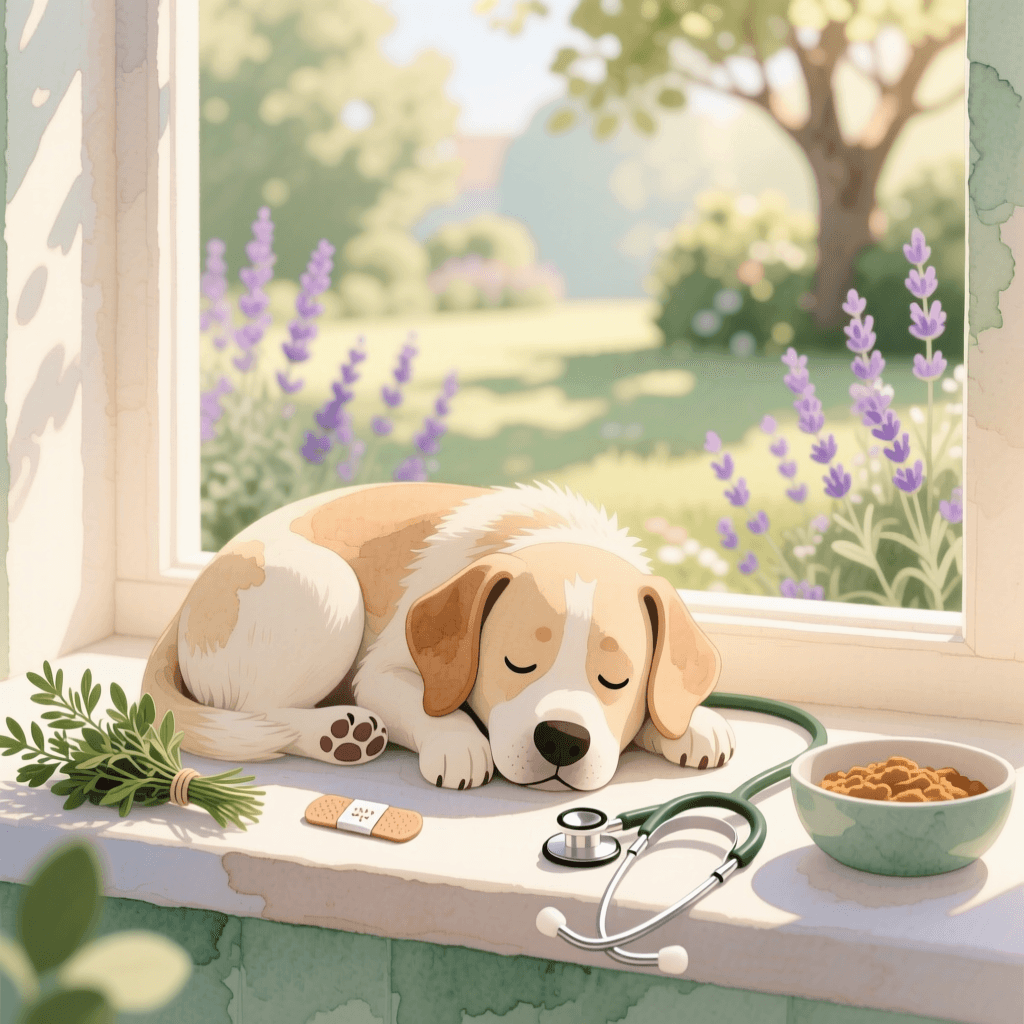
Disclaimer: The information provided in this article is for educational and informational purposes only and does not constitute veterinary advice. Always consult with a licensed veterinarian for medical decisions, diagnoses, and treatment plans regarding your pet.
Dogs are more than just pets; they are beloved family members who rely on us for their health, happiness, and overall wellbeing. As a dedicated pet parent, understanding the most common canine health issues is one of the most proactive steps you can take to ensure your furry companion lives a long, vibrant life. While modern veterinary medicine has made incredible strides in treating and managing illnesses, prevention and early detection remain the cornerstones of excellent puppy care and lifelong wellness.
From itchy skin and ear infections to dental disease and weight management struggles, dogs can face a variety of health hurdles throughout their lives. Recognizing the subtle signs of discomfort and knowing how to respond can make all the difference. In this comprehensive guide, we will explore the most frequent dog health problems and solutions, breaking down the symptoms, underlying causes, effective treatments, and practical prevention strategies to help you navigate your dog's healthcare journey with confidence.
1. Ear Infections (Otitis Externa)
Ear infections are incredibly common in dogs, particularly in breeds with floppy ears, hairy ear canals, or a history of allergies. The warm, dark, and moist environment of a dog's ear canal creates the perfect breeding ground for microorganisms, leading to painful inflammation and infection.
Symptoms
- Frequent head shaking or tilting
- Scratching or pawing at the affected ear
- Redness, swelling, or warmth in the ear flap
- A foul, yeasty, or sweet odor emanating from the ear
- Dark brown, yellow, or bloody discharge
- Pain when the ear or head is touched
Causes
The primary culprits behind ear infections are bacteria and yeast (Malassezia), which naturally live on the skin but overgrow when the ear's environment is compromised. Ear mites are another common cause, especially in puppies. Underlying triggers often include environmental allergies, food sensitivities, moisture trapped after swimming or bathing, and foreign bodies like grass awns.
Treatment
If you suspect an ear infection, a veterinary visit is essential. Your vet will examine the ear canal with an otoscope and take a swab to identify the specific organism under a microscope. Treatment typically involves a thorough professional cleaning followed by prescription medicated ear drops containing antibiotics, antifungals, and anti-inflammatory steroids. In severe or chronic cases, oral medications may be necessary.
Prevention
Routine ear maintenance is key. Use a veterinarian-approved, pH-balanced ear cleaner weekly or after your dog swims. Avoid using cotton swabs deep in the ear canal, as this can push debris further down and damage the eardrum. For dogs prone to allergies, managing the underlying allergic response is critical to preventing recurrent ear flare-ups. Regular dog grooming routines, including plucking excess hair from the ear canals of certain breeds (like Poodles), can also improve airflow.
2. Skin Allergies and Dermatitis
Canine skin allergies are a leading reason for veterinary visits. When a dog's immune system overreacts to harmless environmental or dietary substances, it manifests primarily as severe skin irritation. Chronic scratching can lead to secondary bacterial infections and a significantly diminished quality of life.
Symptoms
- Intense itching, scratching, licking, or chewing at the paws, belly, and flanks
- Red, inflamed, or scabbed skin
- Hot spots (acute moist dermatitis)
- Recurrent ear infections
- Hair loss or thinning coat
- Chronic skin odors or greasy skin
Causes
Allergies in dogs generally fall into three categories: flea allergy dermatitis (an allergic reaction to flea saliva), environmental allergies (atopy, triggered by pollen, dust mites, or mold), and food allergies (usually a reaction to specific proteins like beef, chicken, or dairy). Contact allergies from harsh chemicals or certain plants are less common but still possible.
Treatment
Treatment depends heavily on the type of allergy. Flea allergies require rigorous, year-round flea prevention for all pets in the household. Environmental allergies may be managed with antihistamines, targeted therapies like Apoquel or Cytopoint, allergen-specific immunotherapy (allergy shots), and medicated shampoos. Food allergies are diagnosed and treated through a strict veterinary-prescribed elimination diet trial, followed by avoiding the offending ingredient.
Prevention
While you cannot entirely prevent a dog from developing allergies, you can minimize flare-ups. Maintain strict flea and tick control. Wipe your dog's paws and belly with a damp cloth after walks to remove environmental allergens. Feed a high-quality diet rich in Omega-3 and Omega-6 fatty acids to support the skin barrier. For more insights on feeding your dog for optimal health, explore our detailed guide on dog nutrition.
3. Dental Disease (Periodontal Disease)
Dental disease is one of the most prevalent yet overlooked health problems in dogs. By the time a dog reaches three years of age, the majority will show some signs of periodontal disease. Poor oral hygiene does not just affect the mouth; the bacteria from infected gums can enter the bloodstream and cause severe damage to the heart, liver, and kidneys.
Symptoms
- Persistent bad breath (halitosis)
- Visible yellow or brown tartar buildup on the teeth
- Red, swollen, or bleeding gums
- Drooling, sometimes with traces of blood
- Reluctance to eat, dropping food, or chewing on one side of the mouth
- Pawing at the mouth or face
Causes
Plaque, a sticky film of bacteria, forms on the teeth daily. If not removed, minerals in the saliva harden the plaque into tartar (calculus) within a few days. Tartar buildup pushes the gums away from the teeth, creating pockets where more bacteria thrive, eventually leading to the destruction of the tooth's supporting structures (periodontal ligament and alveolar bone).
Treatment
Once tartar has formed, it cannot be brushed away. Professional veterinary dental cleaning under general anesthesia is required to scale and polish the teeth. The vet will also take dental X-rays to assess the health of the tooth roots and jawbone. Severely diseased, fractured, or resorbed teeth must be surgically extracted to eliminate pain and infection.
Prevention
Daily tooth brushing using a dog-specific enzymatic toothpaste is the gold standard for prevention. Never use human toothpaste, as ingredients like fluoride and xylitol are highly toxic to dogs. Supplement brushing with veterinary-approved dental chews, specialized dental diets, and water additives. Regular oral exams during your dog's annual wellness checkups are crucial for catching issues early, especially as you transition into senior dog care.
4. Obesity and Weight Management Issues
Canine obesity has reached epidemic proportions. Carrying excess weight is not just a cosmetic issue; it is a serious medical condition that drastically reduces a dog's lifespan and predisposes them to a host of secondary diseases, including osteoarthritis, diabetes mellitus, respiratory issues, and certain cancers.
Symptoms
- Inability to feel the ribs easily without pressing hard
- Lack of a visible waist when viewed from above
- No abdominal tuck when viewed from the side
- Lethargy, reluctance to exercise, or quick exhaustion
- Heavy panting with minimal exertion
Causes
The fundamental cause of obesity is an imbalance between caloric intake and energy expenditure. Overfeeding, free-feeding (leaving food out all day), excessive high-calorie treats, and a lack of daily physical activity are primary contributors. Additionally, underlying medical conditions like hypothyroidism or Cushing's disease can cause weight gain. Spaying and neutering can also slightly decrease a dog's metabolic rate.
Treatment
Weight loss must be gradual and supervised by a veterinarian to ensure the dog receives adequate nutrients. A vet will calculate your dog's ideal body weight and prescribe a specific daily caloric limit. This often involves switching to a prescription weight-management diet that is high in fiber and protein but lower in fat and calories. Increasing daily exercise through structured walks, swimming, or interactive play is equally important.
Prevention
Prevent obesity by measuring your dog's food with a standard measuring cup or kitchen scale rather than guessing. Limit treats to no more than 10% of their daily caloric intake, opting for low-calorie options like carrots or green beans. Learn to assess your dog's Body Condition Score (BCS) regularly. Keeping your dog physically and mentally stimulated through dog training and active play helps burn calories and prevents boredom-induced eating.
5. Gastrointestinal Upset (Vomiting and Diarrhea)
Gastrointestinal (GI) issues are among the most common reasons dogs visit the emergency clinic. While an occasional upset stomach is normal, acute or chronic vomiting and diarrhea can lead to severe dehydration, electrolyte imbalances, and indicate a more serious underlying systemic illness.
Symptoms
- Frequent vomiting or regurgitation
- Loose, watery, or bloody stools
- Straining to defecate
- Loss of appetite or refusal to drink water
- Lethargy and weakness
- Abdominal pain, bloating, or a 'prayer position' stance
Causes
The causes of GI upset range from mild to life-threatening. 'Dietary indiscretion' (eating garbage, table scraps, or foreign objects) is a frequent culprit. Sudden changes in diet, food intolerances, and intestinal parasites (like Giardia or roundworms) also cause distress. More severe causes include viral infections (like Parvovirus), bacterial infections, pancreatitis, toxins, and intestinal blockages requiring emergency surgery.
Treatment
Treatment depends on the severity and cause. Mild cases may be managed at home with a brief fasting period (only under veterinary guidance) followed by a bland diet of boiled chicken and white rice, alongside probiotics to restore gut flora. Severe cases require veterinary intervention, including intravenous (IV) fluid therapy to correct dehydration, anti-nausea medications, antibiotics, or surgical removal of foreign bodies.
Prevention
Prevent GI issues by securing your trash cans and keeping toxic foods (chocolate, grapes, onions, xylitol) out of reach. Transition to new dog foods gradually over 7 to 10 days. Maintain a strict, year-round parasite prevention schedule and ensure your dog is up-to-date on core vaccinations. Discourage scavenging and coprophagia (eating feces) during walks.
When to See a Vet: Recognizing Emergency Signs
While many minor health hiccups can be monitored at home, certain symptoms constitute a medical emergency. Delaying treatment in these scenarios can be fatal. Seek immediate veterinary care if your dog exhibits any of the following red-flag symptoms:
- Gastric Dilatation-Volvulus (Bloat): A distended, hard abdomen, unproductive retching, and extreme restlessness. This is a life-threatening emergency common in deep-chested breeds.
- Respiratory Distress: Pale or blue-tinged gums, excessive panting, coughing up pink froth, or struggling to catch their breath.
- Neurological Signs: Seizures, sudden blindness, loss of balance, or extreme disorientation.
- Inability to Urinate: Straining without producing urine can indicate a blocked urethra or bladder stones, which can cause fatal bladder rupture or kidney failure.
- Severe Trauma or Bleeding: Hit by a car, deep lacerations, or bleeding that does not stop with direct pressure.
- Suspected Toxicity: Ingestion of rat poison, antifreeze, human medications, or toxic plants.
When in doubt, it is always safer to call your local veterinary clinic or an animal poison control hotline for professional guidance.
Frequently Asked Questions (FAQ)
How can I tell if my dog is in pain?
Dogs are stoic animals and often hide pain as a survival instinct. Subtle signs of discomfort include changes in behavior, such as increased irritability, hiding, or reluctance to be touched. You might notice physical changes like limping, stiffness, excessive panting, trembling, or a hunched posture. A decrease in appetite, altered sleeping patterns, and excessive licking of a specific body part are also strong indicators that your dog may be experiencing pain and requires a veterinary evaluation.
What is the best way to prevent fleas and ticks?
The most effective way to prevent fleas and ticks is by using veterinarian-recommended, prescription-grade preventative medications. These come in various forms, including monthly topical spot-on treatments, oral chewables, and long-lasting collars. It is crucial to treat all pets in the household year-round, as fleas can survive indoors during the winter. Additionally, keeping your yard trimmed and removing leaf litter can help reduce tick habitats around your home.
How often should I take my dog to the vet for a checkup?
Healthy adult dogs should have a comprehensive wellness exam at least once a year. These annual visits are vital for updating vaccinations, conducting heartworm and tick-borne disease tests, and establishing a baseline for your dog's health. Puppies require more frequent visits (every 3 to 4 weeks) for their initial vaccination series and developmental monitoring. Senior dogs, typically those over the age of seven, benefit from bi-annual (twice a year) checkups and routine bloodwork to catch age-related conditions like kidney disease or arthritis in their earliest, most treatable stages.
Can I give my dog human medication for pain or fever?
No, you should never give your dog human over-the-counter pain medications or fever reducers without explicit veterinary instruction. Medications like ibuprofen, naproxen, and acetaminophen are highly toxic to dogs and can cause severe gastrointestinal ulceration, acute kidney failure, and liver damage, even in small doses. Always consult your veterinarian, who can prescribe safe, canine-specific non-steroidal anti-inflammatory drugs (NSAIDs) or other appropriate pain management therapies tailored to your dog's specific needs and medical history.
Why does my dog eat grass, and is it harmful?
Grass eating is a very common canine behavior and is generally considered harmless, provided the grass has not been treated with chemical pesticides or fertilizers. While some believe dogs eat grass to induce vomiting when they feel sick, studies suggest that most dogs do not show signs of illness before eating grass and do not vomit afterward. It may simply be a natural instinct, a way to supplement dietary fiber, or just a behavioral quirk. However, if your dog is obsessively eating grass and vomiting frequently, it could indicate an underlying GI issue that warrants a vet visit.
By staying informed about these common dog health problems and solutions, you empower yourself to provide the highest standard of care for your loyal companion. Proactive health management, combined with a loving environment and regular veterinary partnerships, ensures that your dog remains a happy, healthy, and active member of your family for years to come.
Paws&Tales
All our authors care for dogs every day — read more of their work on the authors page.