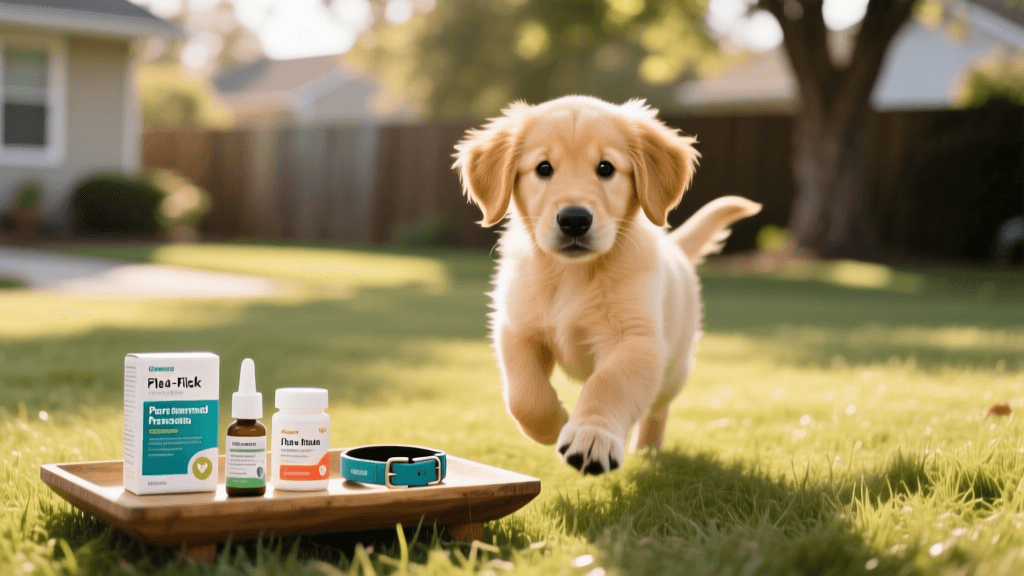
Common Dog Health Problems: Symptoms, Causes, and Prevention
Discover the most common dog health problems, including symptoms, causes, treatments, and prevention tips to keep your furry friend happy and healthy.
Disclaimer: The information provided in this article is for educational and informational purposes only. It is not intended to replace professional veterinary advice, diagnosis, or treatment. Always consult with a licensed veterinarian regarding any questions or concerns about your pet’s health.
Welcome to Paws & Tales, your trusted resource for all things related to canine health & wellbeing. As devoted pet parents, we want our furry companions to live long, vibrant, and pain-free lives. However, just like humans, dogs are susceptible to a variety of medical conditions ranging from mild irritations to severe chronic diseases. Understanding the most common dog health problems is the first step toward proactive care and early intervention. By familiarizing yourself with the warning signs, underlying causes, and effective prevention strategies, you can significantly improve your dog’s quality of life and reduce unexpected veterinary emergencies. In this comprehensive guide, we will explore the most frequent health issues that affect dogs of all ages and breeds, providing you with the knowledge needed to keep your best friend in optimal condition.
1. Ear Infections (Otitis Externa)
Ear infections are among the most frequent reasons dogs visit the veterinarian. The canine ear canal is uniquely shaped like an “L,” which creates a warm, dark, and sometimes moist environment that is highly conducive to the overgrowth of bacteria and yeast. Dogs with long, floppy ears or those that love swimming are particularly vulnerable to these uncomfortable infections.
Symptoms: Dogs with ear infections often exhibit excessive head shaking, scratching at the affected ear, and rubbing their head against furniture. You might also notice a foul odor emanating from the ear, redness, swelling, or a dark, waxy discharge. In severe cases, the dog may tilt their head to one side or show signs of imbalance.
Causes: The primary culprits behind ear infections are yeast (Malassezia) and bacteria (Staphylococcus). However, underlying factors such as environmental allergies, trapped moisture, ear mites, or foreign bodies like grass awns can trigger the initial inflammation that allows these pathogens to thrive.
Treatment & Prevention: Treatment typically involves a thorough veterinary cleaning followed by prescription medicated ear drops containing antibiotics, antifungals, or corticosteroids. To prevent future infections, it is essential to keep your dog’s ears dry after baths or swims. Regular ear cleanings using a veterinarian-approved canine ear cleaner can help maintain a healthy pH balance. For dogs with chronic allergies, managing the root allergic response is critical to stopping the cycle of recurrent ear infections.
2. Skin Allergies and Dermatitis
The skin is a dog’s largest organ, and when it becomes inflamed, it can cause immense discomfort. Canine atopic dermatitis and other skin allergies are pervasive dog health problems that can severely impact a pet’s happiness and lead to secondary infections if left untreated.
Symptoms: The hallmark sign of skin allergies is intense pruritus, or itching. You may observe your dog relentlessly licking their paws, scratching their flanks, biting at the base of their tail, or rubbing their face on the carpet. Chronic scratching often leads to hair loss, thickened skin, and painful “hot spots” (acute moist dermatitis).
Causes: Skin allergies generally fall into three categories: flea allergy dermatitis (an allergic reaction to flea saliva), environmental allergies (atopy to pollen, dust mites, or mold), and food allergies (reactions to specific proteins like beef or chicken). Flea bites are the most common trigger, meaning rigorous flea & tick prevention is absolutely vital.
Treatment & Prevention: Identifying the exact cause often requires veterinary diagnostic testing, such as intradermal skin testing or elimination diet trials. Treatment may include anti-itch medications, immunotherapy (allergy shots), and medicated shampoos. Prevention relies heavily on strict parasite control and feeding a high-quality, balanced diet. For dogs with sensitivities, exploring a healthy dog diet formulated for sensitive skin can make a world of difference in managing flare-ups.
3. Dental Disease (Periodontal Disease)
Dental disease is arguably the most common yet most overlooked health issue in dogs. By the age of three, a vast majority of dogs show some signs of periodontal disease. Without proper oral hygiene, the bacteria in the mouth can enter the bloodstream and cause severe damage to vital organs, including the heart, liver, and kidneys.
Symptoms: Early stages of dental disease may go unnoticed, but as it progresses, symptoms include persistent bad breath (halitosis), yellow or brown tartar buildup on the teeth, red or bleeding gums, difficulty chewing, drooling, and pawing at the mouth. In advanced stages, dogs may lose teeth entirely or develop painful oral abscesses.
Causes: The disease begins when plaque—a sticky film of bacteria—accumulates on the teeth. If not removed through brushing or chewing, the plaque mineralizes into hard tartar (calculus). This tartar irritates the gums, leading to gingivitis and eventually periodontitis, where the supporting structures of the tooth are destroyed.
Treatment & Prevention: Once tartar has formed, it can only be removed through a professional veterinary dental cleaning performed under general anesthesia. Treatment for advanced disease may require tooth extractions. Prevention is a daily commitment. Brushing your dog’s teeth daily with canine-specific enzymatic toothpaste is the gold standard. Supplementing with veterinary-approved dental chews and water additives can also help reduce plaque accumulation between brushings.
4. Gastrointestinal Upset
Gastrointestinal (GI) issues are incredibly common and range from mild, self-limiting stomach bugs to life-threatening emergencies. Because dogs are notorious scavengers, their digestive tracts frequently encounter items they were never meant to process.
Symptoms: The most obvious signs of GI upset are vomiting and diarrhea. Other accompanying symptoms may include lethargy, loss of appetite, abdominal pain (manifested as a hunched back or whining when touched), excessive gas, and dehydration.
Causes: “Dietary indiscretion” is the polite veterinary term for a dog eating garbage, spoiled food, or rich table scraps. Other common causes include sudden diet changes, ingestion of toxic plants or human foods (like chocolate or xylitol), intestinal parasites (worms), viral infections (like parvovirus), and the ingestion of foreign bodies such as toys, socks, or rocks.
Treatment & Prevention: Mild cases of dietary indiscretion are often managed at home with a brief fasting period followed by a bland diet of boiled chicken and white rice, alongside strict hydration monitoring. However, persistent vomiting or bloody diarrhea requires immediate veterinary intervention, which may include IV fluids, anti-nausea medications, or surgery for obstructions. Prevention involves keeping trash cans securely lidded, avoiding feeding dogs toxic human foods, and ensuring they are on a regular deworming schedule. Consistent nutrition and avoiding sudden diet transitions also help maintain a robust gut microbiome.
5. Obesity and Joint Issues
Canine obesity has reached epidemic proportions and is a major contributing factor to a host of secondary dog health problems, most notably joint issues like osteoarthritis and hip dysplasia. Excess weight places tremendous mechanical stress on a dog’s skeletal system, accelerating wear & tear on the cartilage.
Symptoms: Obese dogs typically have a rounded abdomen, lack a visible waist when viewed from above, and have ribs that are difficult to feel beneath a thick layer of fat. Joint issues manifest as stiffness, limping, reluctance to jump or climb stairs, decreased activity levels, and visible pain when rising from a resting position.
Causes: Obesity is primarily caused by an imbalance between caloric intake and energy expenditure. Overfeeding, excessive treat-giving, and a sedentary lifestyle are the main drivers. Joint issues can be genetic (common in large breeds) or exacerbated by the heavy load of excess body weight and previous injuries.
Treatment & Prevention: Managing obesity requires a structured weight loss plan designed by a veterinarian, which includes precise portion control and increased physical activity. For joint issues, treatments range from non-steroidal anti-inflammatory drugs (NSAIDs) and joint supplements (like glucosamine and chondroitin) to physical therapy and surgical interventions. Prevention starts with maintaining an ideal body condition score throughout the dog’s life. Incorporating safe, consistent dog exercise routines tailored to your pet’s age and breed is essential. Furthermore, understanding your pet's genetic predispositions through understanding dog breeds can help you anticipate and mitigate joint vulnerabilities early on.
When to See a Vet: Recognizing Emergency Signs
While many minor health hiccups can be monitored at home, certain symptoms indicate a critical emergency that requires immediate veterinary attention. Knowing when to rush your dog to the clinic can be the difference between life and death. You should seek emergency veterinary care if your dog exhibits any of the following red-flag symptoms:
- Gastric Dilatation-Volvulus (Bloat): A distended, hard abdomen accompanied by unproductive retching, pacing, and extreme distress. This is a rapidly fatal condition common in deep-chested breeds.
- Respiratory Distress: Labored breathing, excessive panting while at rest, or pale/blue-tinged gums indicate a severe lack of oxygen.
- Neurological Signs: Seizures, sudden collapse, loss of consciousness, or extreme disorientation.
- Toxicity: Known ingestion of poisonous substances such as rodenticides, antifreeze, human medications, or toxic foods.
- Severe Trauma: Injuries from vehicle accidents, animal attacks, or high falls, even if external bleeding is minimal.
- Inability to Urinate: Straining without producing urine can indicate a blocked urethra, which can lead to fatal bladder rupture or kidney failure within hours.
Always err on the side of caution. If your intuition tells you something is seriously wrong, trust your instincts and contact an emergency veterinary hospital immediately. For older pets, being extra vigilant is key; our guide on senior dog care provides specific warning signs to watch for in aging companions.
Frequently Asked Questions (FAQ)
How can I tell if my dog is in pain?
Dogs are stoic animals and often hide their pain as an evolutionary survival instinct. Subtle signs of discomfort include changes in behavior, such as increased aggression, withdrawal, or hiding. You might notice a decrease in appetite, excessive panting, restlessness, or a reluctance to engage in activities they normally enjoy. Physical signs can include limping, trembling, a hunched posture, or excessive licking of a specific body part. If you suspect your dog is in pain, a veterinary evaluation is crucial to identify the underlying cause.
What is the best way to prevent fleas, ticks, and parasites?
The most effective way to prevent external and internal parasites is through year-round, veterinarian-prescribed preventative medications. These come in various forms, including topical spot-on treatments, oral chewables, and collars. It is important to choose a product that is appropriate for your dog’s weight, age, and geographic location, as tick-borne diseases and heartworm prevalence vary by region. Additionally, keeping your yard free of tall grass and debris can reduce the habitat for these pests.
How often should I take my dog to the vet for a checkup?
For healthy adult dogs, an annual wellness exam is generally recommended. These visits allow the veterinarian to establish a baseline of health, administer necessary vaccinations, and perform routine blood work to catch early signs of disease. Puppies require more frequent visits for their initial vaccination series and developmental monitoring. Senior dogs, typically those over the age of seven, should ideally see the vet every six months, as age-related conditions can progress rapidly and early detection is key to effective management.
Can I give my dog human medication for pain or illness?
You should never give your dog human medication without explicit instruction from a veterinarian. Many common over-the-counter human drugs, such as ibuprofen, acetaminophen, and aspirin, are highly toxic to dogs and can cause fatal gastrointestinal ulcers, liver failure, or kidney damage. Even medications that seem harmless can interact negatively with your dog’s unique physiology or other prescriptions they may be taking. Always rely on veterinary-formulated treatments to ensure your pet’s safety.
Does mental stimulation impact my dog's physical health?
Absolutely. Mental health and physical health are deeply interconnected in dogs. Chronic stress, boredom, and anxiety can lead to destructive behaviors, weakened immune systems, and stress-induced gastrointestinal issues. Engaging your dog’s brain through puzzle toys, scent work, and consistent obedience training reduces anxiety and promotes overall wellbeing. Incorporating mental challenges into your daily routine, much like the techniques taught in puppy training basics, ensures a balanced, happy, and physically healthier dog.
By staying informed about these common dog health problems and maintaining a proactive relationship with your veterinarian, you can ensure your beloved companion enjoys a long, joyful, and vibrant life by your side. Explore the rest of Paws & Tales for more expert tips on nutrition, training, and everyday canine care.
Paws&Tales
All our authors care for dogs every day — read more of their work on the authors page.