Managing Dog Gut Health and Stress During a Long-Distance Move 2026
Discover how to protect your dog's gut health and reduce stress during a cross-country move in 2026 with expert-backed probiotics and calming routines.
The Hidden Toll of Relocation on Canine Health
Relocating to a new home is consistently ranked as one of the most stressful life events for humans, but for our canine companions, a cross-country move can be a profound physiological shock. In 2026, as flexible work arrangements continue to drive long-distance relocations, veterinary behaviorists and gastroenterologists are seeing a marked increase in transit-related health issues. The most common, yet frequently misunderstood, is stress-induced gastrointestinal upset. When a dog's environment changes drastically, their body releases cortisol and adrenaline. While these hormones prepare the body for 'fight or flight,' they simultaneously suppress the digestive system, leading to a cascade of health issues ranging from mild diarrhea to severe stress colitis.
Understanding the biological link between your dog's emotional state and their digestive tract is the first step in ensuring a safe, healthy transition. According to the ASPCA, maintaining a strict routine and monitoring your pet's physical health are the most critical components of a successful move. This comprehensive guide will walk you through the exact protocols, supplements, and timelines needed to protect your dog's gut-brain axis before, during, and after a long-distance move in 2026.
The Gut-Brain Axis and Relocation Stress
The gut-brain axis is a bidirectional communication network that links the enteric nervous system (the gut) with the central nervous system (the brain). In dogs, this connection is incredibly sensitive. When a dog experiences the chaos of packing, the presence of movers, and the confinement of a travel crate, their brain signals the gut to slow down or alter its function. This stress response can deplete beneficial gut bacteria, increase intestinal permeability (often called 'leaky gut'), and trigger inflammation.
According to veterinary gastroenterologists, the gut-brain axis is the primary pathway through which environmental stress manifests as physical illness in canines. Protecting the microbiome is just as important as managing behavioral anxiety.
By proactively supporting your dog's microbiome, you can create a biological buffer against the stress of relocation. This requires a strategic approach that begins weeks before the first moving box is taped shut.
30 Days Before the Move: Prebiotic and Probiotic Loading
Do not wait until the week of the move to introduce new supplements. A dog's microbiome takes time to stabilize. Starting 30 days prior to your departure, begin a daily regimen of high-quality canine probiotics. The goal is to build a robust colony of beneficial bacteria that can withstand the impending stress.
Recommended 2026 Probiotic Protocols
- Enterococcus faecium SF68: This specific strain is heavily researched and proven to survive the acidic environment of the canine stomach, reaching the intestines where it is needed most.
- Bacillus coagulans: A spore-forming probiotic that is highly stable at room temperature, making it ideal for travel days when refrigeration is impossible.
- Prebiotic Fiber (Pumpkin or Inulin): Probiotics need food to thrive. Adding a teaspoon of plain, unsweetened pumpkin puree to your dog's meals provides the soluble fiber necessary to feed good bacteria and firm up stools.
The Travel Toolkit: 2026 Supplement Comparison
Selecting the right supplements can be overwhelming. Below is a comparison of the top veterinarian-recommended gut health and calming products available in 2026, specifically chosen for their efficacy during travel.
| Product Name | Primary Function | Key Active Ingredients | Best For | 2026 Est. Price |
|---|---|---|---|---|
| Purina Pro Plan FortiFlora | Microbiome Support | Enterococcus faecium SF68, Vitamin C, Vitamin E | Daily gut maintenance and stress-related diarrhea prevention | $34.99 (30 ct) |
| VetriScience Composure | Behavioral Calming | Colostrum Calming Complex, L-Theanine, Thiamine | Reducing acute anxiety during car rides and hotel stays | $28.50 (30 ct) |
| Zesty Paws Advanced Allergy & Gut | Dual-Action Support | Bacillus coagulans, Prebiotics, Omega-3s | Dogs with sensitive stomachs and seasonal allergies | $31.99 (90 ct) |
| K9 Power Digest Forte | Intensive GI Rescue | Multi-strain probiotics, digestive enzymes, L-Glutamine | Acute GI upset and post-antibiotic microbiome recovery | $42.00 (16 oz) |
Transit Day Protocols: Hydration, Fasting, and Rest
The day of the move requires a shift in your dog's daily routine. The American Veterinary Medical Association (AVMA) advises pet owners to prioritize hydration and minimize heavy meals during transit to prevent motion sickness and bloat.
The 12-Hour Fasting Window
For adult dogs, withholding solid food for 8 to 12 hours before a long car ride or flight can significantly reduce the risk of vomiting and transit-related diarrhea. Puppies and senior dogs with specific metabolic needs should not be fasted without direct veterinary supervision; instead, feed them a highly digestible, low-residue prescription diet.
Hydration Strategies on the Road
Dehydration exacerbates gastrointestinal distress. Dogs often refuse to drink from unfamiliar water bowls in rest stops or hotels. To combat this:
- Bring Familiar Water: Fill large jugs with tap water from your current home. The familiar taste and mineral profile encourage drinking.
- Bone Broth Ice Cubes: Freeze low-sodium, dog-safe bone broth in ice cube trays. Offer these during rest stops to provide hydration and electrolytes while soothing the stomach lining.
- Portable Filtration: If you must use local water, utilize a portable pet water filter to remove unfamiliar chlorine or heavy mineral tastes that might deter your dog.
Recognizing and Managing Stress Colitis
Despite your best preparations, the stress of a multi-day journey may trigger stress colitis. As noted by the American Kennel Club (AKC), stress colitis is an inflammation of the large intestine that results in frequent, small bowel movements, straining, and the presence of mucus or bright red blood in the stool.
Immediate Action Plan
If your dog develops these symptoms on the road, do not panic, but do take immediate action:
- Initiate a Bland Diet: Transition immediately to a mixture of boiled, skinless chicken breast and white rice (a 1:2 ratio of protein to carbohydrate). Feed small, frequent meals every 4 hours.
- Double the Probiotics: Temporarily increase the dosage of your chosen probiotic (like FortiFlora) to help outcompete the inflammatory bacteria in the gut.
- Monitor for Lethargy: If the diarrhea is accompanied by vomiting, extreme lethargy, or a refusal to drink water, you must locate an emergency veterinary clinic along your route immediately.
Post-Move Settling: Re-establishing the Microbiome
Arriving at your new home is not the finish line; it is the beginning of the decompression phase. The first 14 days in a new environment are critical for your dog's mental and physical health. The new sights, sounds, and smells will keep their cortisol levels elevated.
The 14-Day Consistency Rule
During this two-week window, absolutely no changes should be made to your dog's diet. Do not introduce new treats, do not switch kibble brands, and do not allow well-meaning neighbors to feed them table scraps. Consistency in the gut leads to consistency in behavior. Continue the daily probiotic regimen for at least 30 days post-move to ensure the microbiome has fully adapted to the new environmental allergens and water sources.
Creating a 'Safe Zone'
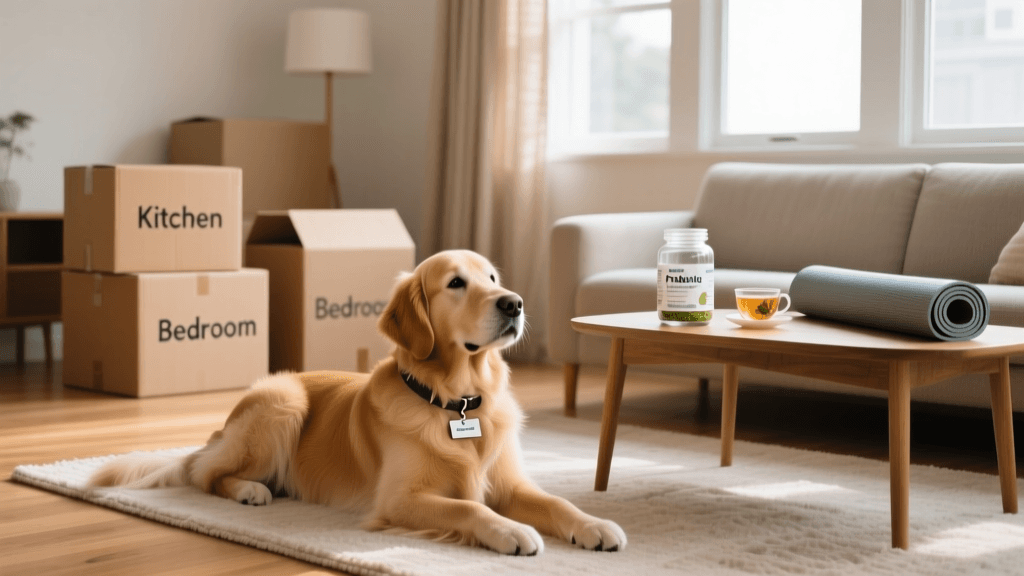
Before unpacking the entire house, set up a dedicated, quiet room for your dog. Place their familiar bed, unwashed blankets (which carry their scent and your scent), and their regular water bowl in this space. This sensory anchor helps lower their heart rate and signals to the gut-brain axis that they are safe, allowing the parasympathetic nervous system (the 'rest and digest' state) to take over.
Conclusion: A Healthier Transition
A cross-country move in 2026 doesn't have to result in a sick, stressed-out dog. By understanding the profound connection between environmental stress and gut health, you can take proactive, science-backed steps to protect your companion. From loading up on targeted probiotics a month in advance to managing hydration and diet on the road, these strategies ensure that when you finally unpack your boxes, your dog is healthy, happy, and ready to explore their new home.
hannah-wickes
All our authors care for dogs every day — read more of their work on the authors page.