Dog Flea & Tick Prevention: Top Google Questions Answered
Find answers to the most asked Google questions about dog flea and tick prevention, including costs, top product comparisons, and safety tips.
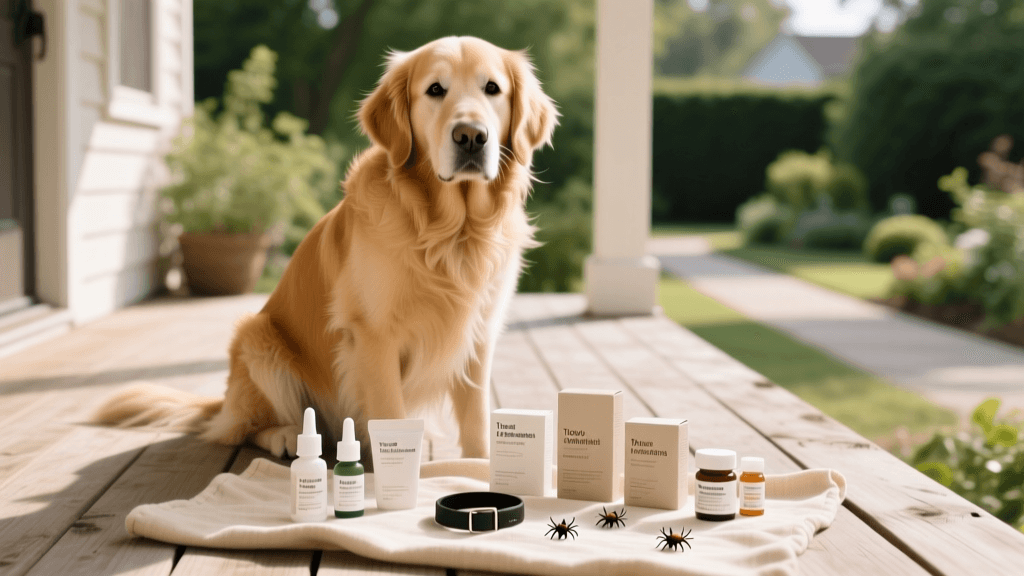
Top Google Questions on Dog Flea and Tick Prevention
Every spring and summer, search engines see a massive spike in queries from panicked pet parents trying to protect their dogs from parasites. Fleas and ticks are not just a nuisance; they are vectors for severe diseases and can cause immense discomfort. At Paws-Tales, we track the most-asked Google questions regarding canine parasite prevention to bring you veterinary-backed, actionable answers. Whether you are a new puppy owner or a seasoned dog guardian, understanding the nuances of flea and tick control is vital for your dog's health and wellbeing.
1. How Often Should I Give My Dog Flea and Tick Medicine?
The frequency of administration depends entirely on the specific active ingredient in the preventative you choose. The vast majority of topical spot-on treatments and oral chewables are formulated to last exactly 30 days. To maintain continuous protection, you must administer the dose on the same date every month. For example, if you give your dog a chewable on March 15th, the next dose is due on April 15th.
The flea life cycle from egg to adult can take anywhere from 21 to 35 days depending on humidity and temperature. A gap in your medication schedule of just five days can allow a new generation of fleas to hatch, pupate, and re-infest your home environment. However, some newer systemic medications utilize slow-release technology. Products containing fluralaner (like Bravecto) are approved to provide continuous protection for 12 weeks (roughly 3 months). While these extended-duration options are highly convenient and often more cost-effective annually, they require strict calendar tracking.
2. What Are the Best Flea and Tick Preventatives?
There is no single 'best' product for every dog. The right choice depends on your dog's lifestyle, your budget, and any underlying health conditions. Below is a comparison chart of the most popular, veterinarian-recommended preventatives currently on the market, including approximate costs for a medium-sized dog (25–50 lbs).
| Product Name | Type | Duration | Active Ingredient(s) | Approx. Cost (6-Month Supply) |
|---|---|---|---|---|
| NexGard | Oral Chew | 1 Month | Afoxolaner | $85 - $105 |
| Bravecto | Oral Chew / Topical | 12 Weeks | Fluralaner | $95 - $120 (Two doses) |
| Simparica Trio | Oral Chew | 1 Month | Sarolaner, Moxidectin, Pyrantel | $110 - $135 |
| Seresto Collar | Wearable Collar | 8 Months | Imidacloprid, Flumethrin | $65 - $80 (One collar) |
| Frontline Plus | Topical Spot-On | 1 Month | Fipronil, (S)-methoprene | $45 - $60 |
Actionable Advice: If your dog swims frequently or requires regular bathing with medicated shampoos, avoid topical treatments like Frontline Plus, as frequent water exposure can degrade the lipid layer that holds the medication on the skin. Opt for an oral chewable or a waterproof collar like Seresto instead. Always give oral chews with a full meal to maximize absorption and reduce the chance of gastrointestinal upset.
3. Are Oral Flea and Tick Medications Safe for Dogs?
This is one of the most highly searched questions, largely due to a 2018 safety alert. The U.S. Food and Drug Administration (FDA) issued a warning regarding the isoxazoline class of drugs (which includes afoxolaner, fluralaner, sarolaner, and lotilaner). The FDA noted that these drugs have been associated with neurologic adverse reactions, including muscle tremors, ataxia (loss of coordination), and seizures in some dogs.
The Bottom Line: For the vast majority of dogs, isoxazolines are incredibly safe and highly effective. However, if your dog has a pre-existing history of seizures or epilepsy, you should consult your veterinarian before starting an oral isoxazoline. In these specific cases, a veterinarian may recommend a topical alternative or a Seresto collar to bypass systemic neurological risks.
4. Can I Use Cat Flea Medicine on My Dog?
Never use cat flea medication on a dog, and never use dog medication on a cat. Many canine topical flea treatments contain permethrin, a synthetic chemical that is highly effective at killing fleas on dogs but is profoundly toxic to cats, causing hypersalivation, tremors, and fatal seizures. Conversely, feline medications are dosed for much smaller body weights and will not provide adequate protection for a dog. Furthermore, the carrier solvents used in cat-specific topicals can cause severe contact dermatitis if applied to a canine's skin. Always purchase species-specific, weight-appropriate preventatives.
5. How Do I Safely Remove a Tick From My Dog?
Finding a tick embedded in your dog's skin is alarming, but proper removal is critical to prevent the transmission of pathogens. The American Kennel Club (AKC) strongly advises against using folklore methods like applying petroleum jelly, nail polish, or a hot match to the tick. These methods can cause the tick to regurgitate its stomach contents—which may contain Lyme-causing bacteria—directly into your dog's bloodstream.
Step-by-Step Removal Guide:
- Step 1: Use fine-tipped tweezers or a specialized tool like the 'Tick Twister'. Avoid standard, wide-bladed eyebrow tweezers, which can crush the tick's body.
- Step 2: Grasp the tick as close to the dog's skin surface as possible. You want to grab the head/mouthparts, not the engorged abdomen.
- Step 3: Pull upward with steady, even pressure. Do not twist or jerk the tick, as this can cause the mouthparts to break off and remain in the skin.
- Step 4: Clean the bite area and your hands thoroughly with rubbing alcohol, an iodine scrub, or soap and water.
- Step 5: Dispose of the tick by placing it in a sealed ziplock bag or submerging it in a small jar of alcohol. Keep the bag for 30 days; if your dog develops symptoms of illness, your vet can test the tick for pathogens.
6. What Are the Signs of Tick-Borne Diseases in Dogs?
Even with diligent prevention, ticks can occasionally bypass your defenses. Ticks are vectors for several severe illnesses, including Lyme disease, Ehrlichiosis, Anaplasmosis, and Rocky Mountain Spotted Fever. According to the Cornell University College of Veterinary Medicine, Lyme disease is the most commonly diagnosed tick-borne illness in dogs in the United States.
Symptoms to watch for include:
- Shifting Leg Lameness: Your dog may limp on one front leg, which resolves, only to reappear days later in a hind leg. This is a hallmark sign of Lyme-induced joint inflammation.
- Lethargy and Depression: A sudden lack of interest in walks, play, or food.
- Fever: A normal canine temperature ranges from 101.0°F to 102.5°F. Anything higher warrants a veterinary visit.
- Swollen Lymph Nodes: Particularly noticeable under the jaw or behind the knees.
Diagnostic Action Plan: If you suspect your dog has been exposed, ask your vet for a SNAP 4Dx Plus test. This in-clinic blood test costs between $60 and $85 and screens for heartworm, Lyme, Ehrlichia, and Anaplasma antibodies in just 8 minutes. Early detection is crucial, as a standard 28-day course of Doxycycline (costing roughly $20–$40) is highly effective at clearing the bacteria if caught early.
7. How Can I Treat My Home and Yard for Fleas?
Prevention on your dog is only half the battle. If your dog has had an active flea infestation, you must treat the environment. Wash all pet bedding, blankets, and soft toys in hot water (at least 140°F) and dry them on high heat for 30 minutes to kill flea eggs and larvae. Vacuum your carpets and upholstery daily, immediately emptying the vacuum canister into an outdoor trash bin. For yard treatment, consider pet-safe botanical sprays like Wondercide or Vet's Best, which utilize cedarwood and peppermint oils to repel pests without harming local pollinators or your pets.
Final Thoughts on Year-Round Protection
The consensus among veterinary parasitologists is clear: flea and tick prevention should be administered year-round, regardless of your climate. Ticks like the Brown Dog Tick can survive and reproduce indoors during freezing winter months, while flea pupae can lie dormant in your carpets for months before hatching. By choosing the right product for your dog's weight and lifestyle, tracking your administration dates, and performing regular 'tick checks' after outdoor adventures, you can ensure your dog remains comfortable, healthy, and parasite-free all year long.
anouk-beaumont
All our authors care for dogs every day — read more of their work on the authors page.