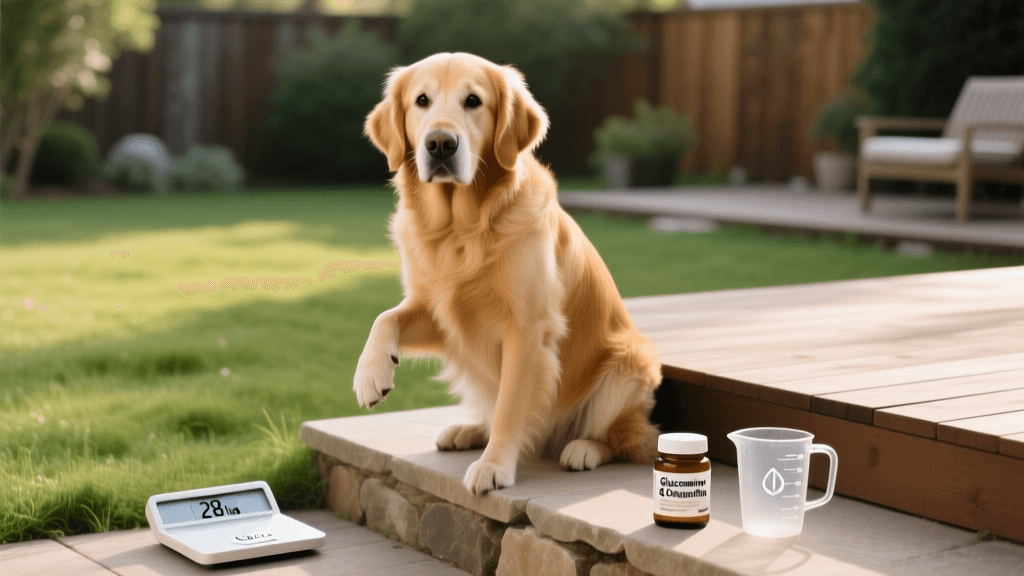
Dog DNA Tests: Are Viral Kits Worth It For Health?
Discover if viral dog DNA tests like Embark and Wisdom Panel are worth the cost. Learn how genetic screening transforms your dog's preventative health care.
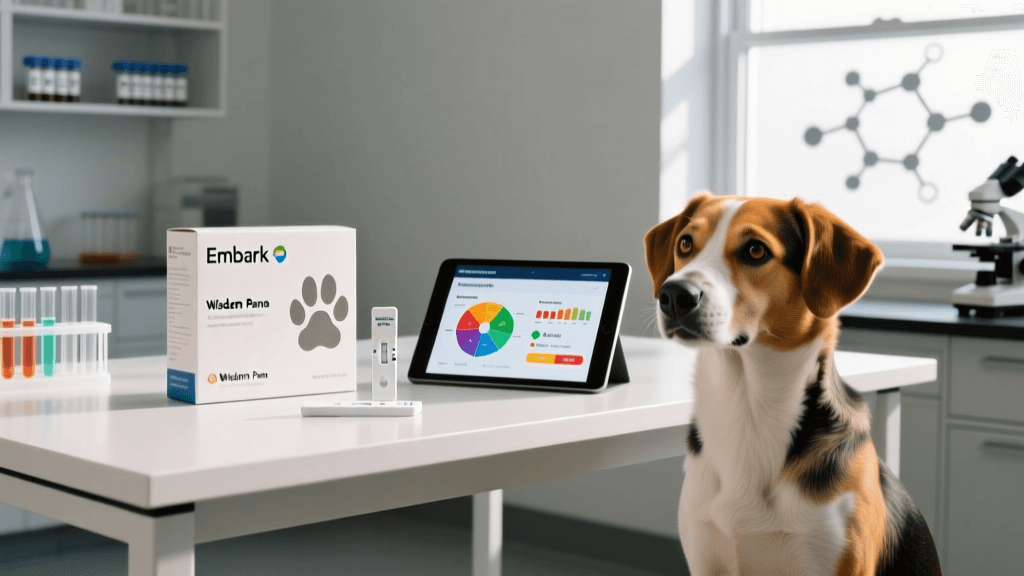
The TikTok Trend: Why Everyone is Swabbing Their Dog's Cheek
If you have spent any time on TikTok, Instagram Reels, or YouTube Shorts lately, you have likely encountered the viral dog DNA test unboxing videos. Pet parents are eagerly revealing the hilarious and unexpected breed mixes of their rescue dogs, discovering that their 'husky mix' is actually part Pomeranian, Chow Chow, and Siberian Husky. While uncovering your dog's genetic lineage is incredibly entertaining and makes for fantastic social media content, the true value of these at-home DNA kits extends far beyond parlor tricks and breed identification.
As a senior writer for Paws-Tales, I constantly evaluate trending pet products to separate the gimmicks from the genuinely life-changing tools. When it comes to canine DNA testing, the health screening aspect is a massive, often overlooked game-changer for preventative veterinary care. By mapping your dog's genome, you can uncover hidden predispositions to severe diseases, adverse drug reactions, and joint issues long before clinical symptoms appear. But with kits ranging from $80 to over $200, are these viral swabs actually worth the investment for your dog's wellbeing? Let us dive into the science, the costs, and the actionable health insights you can gain.
How Canine DNA Testing Actually Works
At-home canine DNA tests utilize a simple buccal (cheek) swab to collect epithelial cells from your dog's mouth. Once mailed back to the laboratory, scientists extract the DNA and run it through a microarray. This technology scans for Single Nucleotide Polymorphisms (SNPs), which are essentially tiny genetic variations that serve as markers for specific traits and diseases.
According to the American Kennel Club (AKC), these laboratories compare your dog's SNP profile against massive reference databases comprising hundreds of thousands of genotyped dogs. The more extensive the reference database, the more accurate the health and breed predictions. The top-tier companies do not just tell you what breeds are in your dog's ancestry; they cross-reference specific genetic mutations linked to over 200 known canine health conditions.
Embark vs. Wisdom Panel: A Data-Driven Comparison
When navigating the viral market, two brands dominate the conversation: Embark and Wisdom Panel. While both offer excellent breed identification, their health screening capabilities, pricing, and veterinary partnerships differ. Below is a structured comparison to help you choose the right kit for your preventative care strategy.
| Feature | Embark Breed + Health | Wisdom Panel Premium | Orivet Health Screen |
|---|---|---|---|
| Retail Price | $199 | $159 | $129 |
| Breeds Identified | 350+ | 350+ | N/A (Health Focus) |
| Health Markers Tested | 190+ | 200+ | 250+ |
| Turnaround Time | 2-4 Weeks | 2-3 Weeks | 2-3 Weeks |
| Veterinary Partnership | Cornell University | Internal Labs | Independent Vets |
| Relative Finder Feature | Yes | No | No |
The Verdict on Data: Embark's partnership with the Cornell University College of Veterinary Medicine provides an unparalleled layer of scientific rigor, making it the top choice for dogs with complex health histories. However, Wisdom Panel Premium offers a slightly larger panel of health markers at a lower price point, making it an excellent budget-friendly alternative for baseline screening.
Actionable Health Insights: What to Do With Your Results
Getting the results is only step one. The real magic happens when you translate those genetic markers into a tailored, preventative care plan with your veterinarian. Here are the most critical viral DNA findings and exactly how to act on them.
The MDR1 Gene Mutation: A Matter of Life and Death
The Multi-Drug Resistance 1 (MDR1) gene mutation is arguably the most critical health marker a DNA test can reveal. Common in herding breeds like Australian Shepherds, Collies, and German Shepherds, this mutation causes a defect in the P-glycoprotein pump at the blood-brain barrier. In normal dogs, this pump flushes certain toxins out of the brain. In dogs with the MDR1 mutation, these drugs accumulate in the brain, leading to severe neurotoxicity, seizures, coma, and even death.
The Washington State University Veterinary Clinical Pharmacology Lab maintains a definitive list of drugs that MDR1-positive dogs must avoid or use with extreme caution. If your dog's viral DNA test flags this mutation, you must immediately inform your vet. Drugs to watch out for include high-dose Ivermectin (often found in livestock dewormers), Loperamide (Imodium), Acepromazine (a common sedative), and certain chemotherapy agents like Vincristine. Knowing this single genetic fact can prevent a fatal emergency room visit.
Degenerative Myelopathy (DM): Planning for the Future
Degenerative Myelopathy is a progressive, fatal disease of the spinal cord that is often compared to ALS (Lou Gehrig's disease) in humans. It typically strikes older dogs, causing a gradual loss of coordination in the hind limbs. DNA tests will categorize your dog as 'Clear,' 'Carrier,' or 'At-Risk' based on the SOD1 gene mutation.
If your dog is 'At-Risk,' it does not guarantee they will develop DM, but it significantly raises the probability. Actionable advice includes maintaining a lean body weight to reduce spinal stress and establishing a relationship with a canine rehabilitation therapist early on. Additionally, pet parents should budget for future mobility aids, such as canine wheelchairs or hind-lift harnesses, which typically cost between $300 and $500.
Weight Management and the POMC Gene
Is your dog constantly begging for food? Your dog's DNA might be to blame. A well-documented mutation in the POMC gene, heavily prevalent in Labrador Retrievers and Flat-Coated Retrievers, disrupts the brain's ability to feel satiated after eating. These dogs are biologically wired to feel hungry all the time, leading to rapid obesity.
If your DNA test reveals weight management predispositions, stop free-feeding immediately. Invest in a digital kitchen scale (costing around $15) to weigh your dog's kibble down to the gram, rather than using an imprecise measuring cup. Furthermore, utilize slow-feeder bowls like the Outward Hound Fun Feeder ($12-$15) to extend meal times and promote cognitive enrichment, which helps satisfy their psychological drive to forage.
Joint Health Predispositions: Supplementing Early
Many mixed-breed dogs carry genetic markers for joint issues like Hip Dysplasia or Patellar Luxation. The Orthopedic Foundation for Animals (OFA) notes that while genetics load the gun, environment pulls the trigger. If your dog's DNA indicates a high risk for orthopedic issues, do not wait for them to start limping to take action.
Begin a proactive joint-support regimen when they reach adulthood (around 12 to 18 months). Incorporate high-quality Omega-3 fatty acids, specifically targeting EPA and DHA, which are proven to reduce joint inflammation. A standard therapeutic dose is approximately 1000mg of combined EPA/DHA per 20 pounds of body weight. Products like Nordic Naturals Omega-3 Pet or Zesty Paws Omega Bites are excellent, verifiable options. Pair this with low-impact exercises like swimming or controlled leash walking, avoiding repetitive high-impact activities like jumping for frisbees on hard surfaces.
Step-by-Step Guide to Swabbing and Submitting
To ensure your viral TikTok unboxing does not end in a failed lab result, follow these precise, actionable steps for collecting your dog's DNA:
- Step 1: The Fast. Withhold food and treats for at least two hours prior to swabbing. Food particles can contaminate the sample and inhibit the lab's extraction chemicals.
- Step 2: The Swab. Open the sterile swab package. Gently but firmly rub the bristled end against the inside of your dog's cheek and gums for a full 30 to 60 seconds. You are collecting cheek cells, not just saliva.
- Step 3: The Dry. Allow the swab to air dry for at least 5 minutes before placing it into the provided stabilization tube. Sealing a wet swab can promote bacterial growth that degrades the DNA.
- Step 4: The Mail. Register your kit's barcode online immediately. Drop the package in the mail within 24 hours of collection to ensure sample viability.
Cost vs. Benefit: Is It Worth the Hype?
At $150 to $200, a premium canine DNA test is a significant upfront expense. However, when viewed through the lens of preventative veterinary care, the return on investment is undeniable. A single emergency vet visit for an adverse drug reaction or late-stage disease management can easily exceed $2,000. By spending $199 on an Embark kit, you are essentially purchasing a roadmap that allows you and your veterinarian to sidestep genetic landmines, tailor your dog's nutrition, and avoid unnecessary medical trials.
Preventative care is always more cost-effective and emotionally taxing than reactive emergency care. Knowing your dog's genetic blueprint shifts you from a reactive pet owner to a proactive health advocate.
Conclusion
The viral trend of dog DNA testing is much more than a fleeting internet fad; it is a powerful, accessible tool for modern canine healthcare. Whether you opt for the Cornell-backed Embark kit or the comprehensive Wisdom Panel Premium, the insights you gain regarding the MDR1 mutation, DM risks, and weight predispositions can literally add years to your dog's life. Swab your dog's cheek, consult with your vet, and turn that viral social media trend into a lifelong health advantage for your best friend.
marcus-aldridge
All our authors care for dogs every day — read more of their work on the authors page.