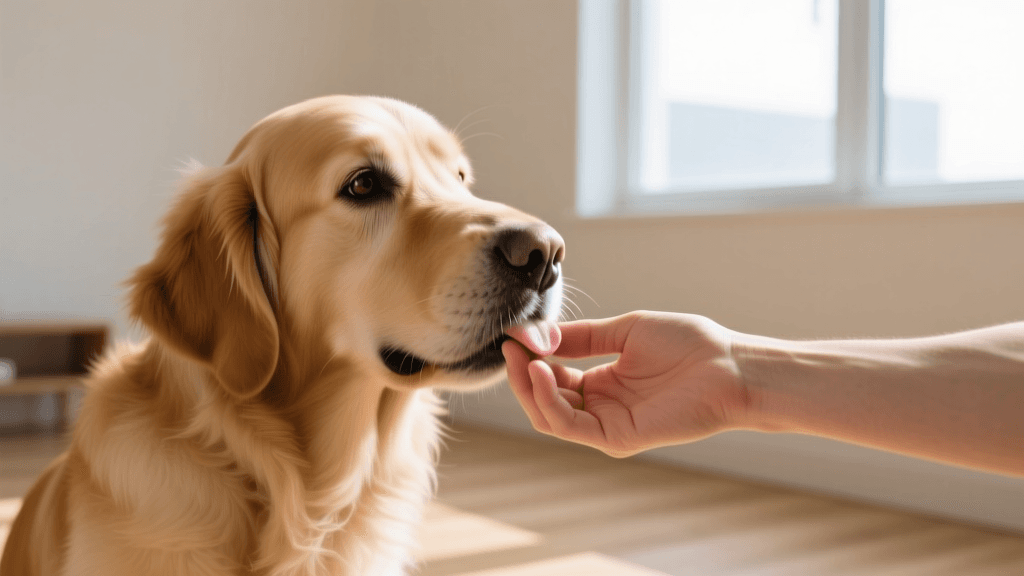
Why Dogs Chew Furniture: Psychology and Home Dog-Proofing Tips
Discover the psychological reasons behind destructive chewing and learn actionable, cost-effective home dog-proofing strategies to save your furniture.

The Evolutionary Psychology Behind Canine Chewing
When you come home to find your favorite pair of sneakers shredded or the corner of your sofa dismantled, it is easy to assume your dog is acting out of spite or anger. However, canine behaviorists emphasize that dogs do not possess the cognitive capacity for revenge. Instead, destructive chewing is deeply rooted in evolutionary psychology, natural instincts, and environmental triggers. To effectively dog-proof your home, you must first understand the psychological drivers behind your dog's behavior.
In the wild, canids spend a significant portion of their day scavenging, tearing meat from bones, and crushing marrow. This requires immense jaw strength and provides vital mental stimulation. Domestic dogs retain these hardwired foraging and chewing instincts. When a dog chews on a wooden table leg or a drywall corner, they are often attempting to satisfy an innate biological urge to exercise their jaw muscles and explore their environment through texture and taste. According to the ASPCA, chewing is a normal, healthy behavior for dogs of all ages; the problem arises only when they direct this behavior toward inappropriate household items.
Understanding the 'why' behind your dog's behavior is the first and most critical step in effective home dog-proofing. You cannot manage a behavior you do not understand.
Diagnosing the Root Cause: Boredom, Teething, or Anxiety?
Before purchasing baby gates and bitter sprays, you must identify the specific psychological trigger causing the destruction. The three most common culprits are teething, boredom, and separation anxiety.
Puppy Teething (3 to 6 Months)
Just like human babies, puppies go through a painful teething phase. Between 12 and 24 weeks of age, their baby teeth fall out to make way for adult teeth. Chewing provides counter-pressure that soothes their inflamed gums. If your puppy is targeting hard surfaces like baseboards or furniture legs, they are likely seeking relief. Providing frozen carrots, ice cubes, or specially designed rubber teething toys kept in the freezer can redirect this instinct safely.
Boredom and Under-Stimulation
Dogs, particularly working and herding breeds like Border Collies, German Shepherds, and Huskies, require immense mental and physical stimulation. If a dog is left alone for eight hours a day with no 'job' to do, they will invent one. Destroying a sofa cushion or unrolling toilet paper becomes a self-rewarding game that alleviates boredom and releases pent-up energy.
Separation Anxiety
Destructive chewing can also be a symptom of severe psychological distress. Dogs suffering from separation anxiety do not chew random objects; they typically target exit points, such as door frames, window sills, and the drywall near the front door, in a panicked attempt to escape and reunite with their owner. The ASPCA notes that separation anxiety is often accompanied by other stress signals, including excessive drooling, pacing, inappropriate elimination, and prolonged vocalization. Dog-proofing a home will not cure separation anxiety; this requires a dedicated behavioral modification program and potentially veterinary intervention.
Strategic Home Dog-Proofing: A Room-by-Room Guide
Once you understand the motivation, you can alter the home environment to set your dog up for success. Dog-proofing is not just about hiding items; it is about managing the space to prevent the rehearsal of bad habits.
The Living Room
The living room is a minefield of electrical cords, toxic houseplants, and expensive electronics. Dogs are naturally drawn to the salty taste of sweat on leather couches and the satisfying resistance of rubber cables. To protect your dog from fatal electrocution and your wallet from replacement costs, use split loom tubing or PVC cord concealers to cover all exposed wires. Elevate all houseplants onto high shelves or hang them from the ceiling, as many common plants like pothos and lilies are highly toxic to canines. Furthermore, use physical barriers like decorative indoor pet fences to restrict access to the living room when you cannot actively supervise your dog.
The Kitchen and Dining Area
Kitchens present severe poisoning risks, from dropped grapes and xylitol-sweetened peanut butter to raw onions and chocolate. A standard open trash can is an invitation for a foraging dog. Invest in a heavy-duty, step-operated trash can (such as those made by simplehuman) that weighs at least 10 pounds when empty, making it difficult for a dog to tip over. Alternatively, mount your trash can inside a lower cabinet with a childproof magnetic lock. Always push dining chairs in completely; dogs will use a pulled-out chair as a stepping stone to jump onto the table and scavenge leftover food.
The Bedroom and Home Office
Shoes, socks, and remote controls are prime targets because they carry your scent, which is deeply comforting to your dog. Chewing on your worn sneakers is a way for them to feel close to you. Keep all footwear inside closed closets. In the home office, ensure that expensive headphones, mice, and charging cables are stored in drawers or elevated on desks that are at least 30 inches high, out of reach of jumping or rearing dogs.
Essential Dog-Proofing Products and Cost Analysis
Equipping your home with the right management tools is a cost-effective investment compared to replacing destroyed furniture or paying for emergency veterinary bills due to intestinal blockages. Below is a comparison of essential dog-proofing products.
| Product | Primary Use | Estimated Cost | Effectiveness |
|---|---|---|---|
| Hardware-Mounted Baby Gate (36"+) | Blocking stairs, kitchens, and unsafe rooms | $60 - $120 | High (Essential for large breeds) |
| Split Loom Cord Protector | Preventing electrocution and cable chewing | $15 - $25 | High (Removes texture and taste) |
| Bitter Apple Deterrent Spray | Discouraging chewing on baseboards and furniture | $10 - $15 | Moderate (Varies by dog's taste sensitivity) |
| Heavy-Duty Crate (Wire or Impact) | Safe confinement when unsupervised | $80 - $400+ | Very High (Prevents all unsupervised destruction) |
| Cabinet Magnetic Locks | Securing toxic cleaners and trash bins | $20 - $30 | High (Stops foraging and poisoning) |
Proactive Environmental Enrichment
Dog-proofing removes the opportunity for bad behavior, but environmental enrichment provides the alternative. If you take away your dog's ability to chew the sofa, you must replace it with an appropriate, highly rewarding outlet. The goal is to make the approved chew toys more psychologically satisfying than your furniture.
- The KONG Classic ($15-$25): This is the gold standard for canine enrichment. Do not just fill it with dry kibble; dogs will empty it in seconds and lose interest. Layer the toy with a mix of wet dog food, plain pumpkin puree, and a smear of dog-safe peanut butter at the very bottom, then freeze it overnight. This forces the dog to spend 30 to 45 minutes actively working for their food, mimicking the natural foraging process and inducing a calm, tired state.
- Snuffle Mats ($20-$35): These fabric mats mimic grass and allow you to hide dry treats deep within the fibers. Sniffing lowers a dog's heart rate and releases dopamine. Using a snuffle mat for 15 minutes before you leave for work can significantly reduce boredom-induced destruction.
- Toy Rotation: Dogs suffer from habituation; a toy left on the floor for weeks becomes invisible to them. Keep a 'toy library' in a closet and only leave out three or four toys at a time. Rotate them every three days to maintain novelty and psychological interest.
Creating a Safe 'Den' Environment
Ultimately, the most effective dog-proofing strategy is creating a designated 'den' for your dog. In the wild, canids seek out small, enclosed spaces to sleep and feel secure. A properly crate-trained dog views their crate not as a prison, but as a sanctuary. When you cannot actively supervise your dog, placing them in a crate with a safe, long-lasting chew (like a bully stick or a frozen KONG) guarantees they cannot practice destructive behaviors. Over time, as your dog matures and learns the rules of the house, you can gradually expand their freedom, room by room, until they have earned the trust to roam your fully dog-proofed home freely.
marcus-aldridge
All our authors care for dogs every day — read more of their work on the authors page.