Top 5 Dog Body Language Mistakes Owners Must Avoid
Misreading your dog's body language can lead to stress and bites. Discover the top 5 canine communication mistakes owners make and how to fix them today.
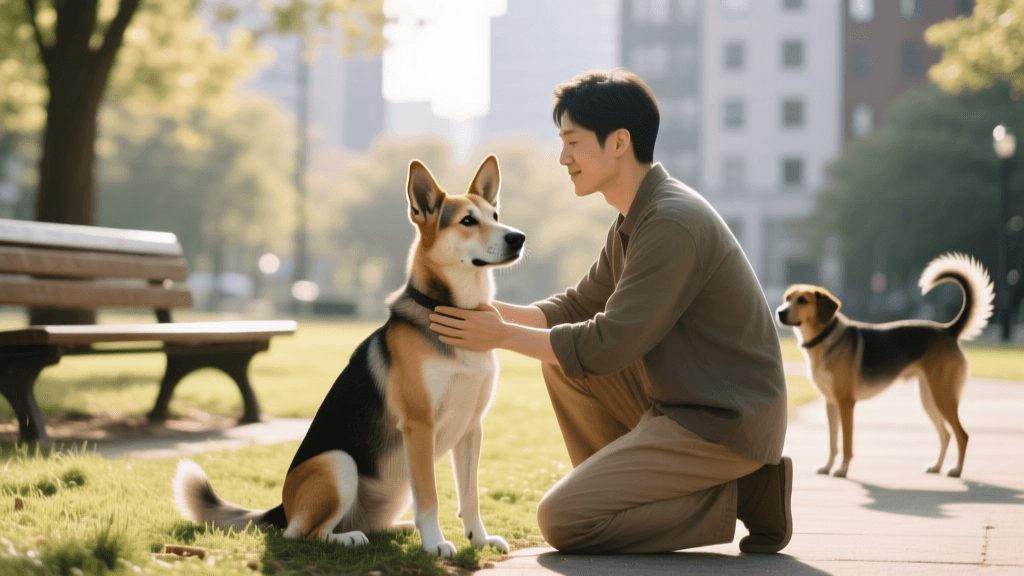
The Hidden Language of Dogs: Why Misinterpretation is Dangerous
Dogs are constantly communicating with us, but they do not use words. Instead, they rely on a complex, nuanced system of body language, ear positions, tail movements, and facial expressions. Unfortunately, because humans are a vocal species, we often project our own communication styles and emotions onto our canine companions. This anthropomorphism leads to profound misunderstandings. When we misread a dog's signals, we inadvertently increase their stress, damage our bond, and in severe cases, put ourselves at risk for a bite. Understanding your dog requires unlearning human biases and observing canine behavior objectively. Below, we explore the most common mistakes dog owners make when interpreting canine body language and provide actionable steps to correct them.
Mistake 1: Assuming a Wagging Tail Always Means “Happy”
The most pervasive myth in dog ownership is that a wagging tail equates to a friendly, happy dog. In reality, a tail wag simply indicates arousal or stimulation—which can be positive, negative, or even aggressive. According to the ASPCA's guide on canine body language, the height, speed, and stiffness of the wag are far more important than the mere presence of movement.
Decoding the Tail Wag
- The Helicopter Wag: A loose, full-body wiggle with the tail moving in wide circles usually indicates genuine joy and a friendly greeting.
- The High, Stiff Wag: A tail held high and vibrating or wagging in short, stiff movements indicates high arousal, alertness, and potential aggression. This dog is assessing a threat and should not be approached.
- The Low, Tucked Wag: A tail tucked between the legs with a slight, tentative wag signals fear, anxiety, or appeasement. This dog is asking for space and reassurance, not a vigorous petting session.
- The Directional Bias: Studies show that dogs wag more to the right when experiencing positive emotions and more to the left when experiencing negative or anxious emotions.
Actionable Fix: Stop looking solely at the tail. Evaluate the entire dog. Are the ears pinned back? Is the body tense? Are the lips tight? Always read the tail in the context of the whole body before reaching out to pet.
Mistake 2: Believing the “Guilty Look” Means Guilt
We have all seen the viral videos of dogs sitting next to a destroyed cushion, looking away with squinted eyes and flattened ears while their owners scold them. Humans interpret this as guilt. However, canine cognition does not process “guilt” in the human moral sense. Research by Dr. Alexandra Horowitz, a leading canine cognitive scientist, proved that the “guilty look” is actually an appeasement behavior. Dogs display these submissive postures in response to their owner's angry tone or body language, regardless of whether they actually committed the misdeed.
When you scold a dog for a past action, they do not connect your anger to the destroyed shoe from two hours ago; they only connect your anger to their current submissive posture. Punishing a dog for “looking guilty” only increases their fear of you and damages trust.
Actionable Fix: If you did not catch your dog in the act, do not scold them. Clean up the mess silently. To prevent future destruction, invest in durable chew toys like the Kong Classic (retailing around $15) stuffed with high-value treats, and ensure your dog is crated or in a dog-proofed room when unsupervised.
Mistake 3: Punishing Calming Signals
When dogs feel stressed, overwhelmed, or pressured, they use “calming signals” to de-escalate a situation and communicate their discomfort. These signals include yawning when not tired, licking their lips, sniffing the ground intently, turning their head away, or moving in a slow curve. Tragically, owners often misinterpret these signals as stubbornness, distraction, or defiance.
For example, if you ask your dog to sit in a busy, noisy environment and they begin sniffing the ground or yawning, they are not ignoring you. They are signaling that the environment is too overwhelming and they are trying to calm themselves down. If you correct them for not sitting, you are punishing them for communicating their stress.
Actionable Fix: Learn to spot calming signals early. If your dog starts lip-licking or yawning during a training session or a vet visit, immediately increase the distance from the stressor by 10 to 15 feet. Lower your voice, soften your body language, and offer a high-value treat like Zuke's Mini Naturals (approximately $12 for a 16oz bag) to rebuild positive associations.
Mistake 4: Forcing Social Interactions
Many owners believe that a well-socialized dog must greet every person and dog they meet. This leads to the “Say Hi” mistake, where owners drag their leashed dogs toward strangers or other dogs, ignoring the dog's desperate body language. Leash pressure combined with a forced approach traps the dog, triggering a fight-or-flight response. Because flight is restricted by the leash, the dog may resort to lunging or biting to create space.
A truly well-socialized dog is neutral and calm in public; they do not need to interact with everyone. Forcing greetings teaches dogs that their boundaries will be ignored, which often leads to leash reactivity.
Actionable Fix: Advocate for your dog. If someone approaches, politely say, “We are in training, please give us space.” Use a front-clip harness like the Ruffwear Front Range Harness (around $40) to gently guide your dog away without choking them. Reward your dog for simply looking at a trigger from a distance of 20 feet and then looking back at you.
Mistake 5: Ignoring the “Freeze” Before the Bite
Dog bites rarely happen out of nowhere. Dogs follow a bite threshold ladder, starting with subtle calming signals, escalating to growling or snapping, and finally biting. Many owners punish the growl, effectively turning off the dog's early warning system. When the growl is suppressed, the dog learns to skip the warning and go straight to the bite. The most dangerous, yet most ignored, signal is the “freeze.”
A dog that suddenly goes rigid, stops panting, closes its mouth, and stares fixedly is at the absolute limit of its tolerance. This freeze often lasts only a fraction of a second before a bite occurs. The American Kennel Club (AKC) emphasizes that a stiff, frozen posture is a critical red flag that requires immediate intervention.
Actionable Fix: Never punish a growl; a growl is a gift that tells you your dog is uncomfortable. If your dog freezes, do not reach for them or grab their collar, as this may trigger a reflex bite. Instead, calmly toss a handful of high-value treats (like freeze-dried lamb or chicken) on the ground a few feet away to break their focus and allow them to retreat safely.
Comparison Chart: Human Misinterpretation vs. Canine Reality
| Canine Behavior | Human Misinterpretation | Actual Canine Meaning | Correct Human Response |
|---|---|---|---|
| Lip Licking / Yawning | Dog is bored or hungry. | Stress, anxiety, or an attempt to self-soothe. | Remove the dog from the stressful trigger; lower your voice. |
| High, Stiff Tail Wag | Dog is happy and wants to play. | High arousal, alertness, potential aggression. | Stop approaching; give the dog space and time to decompress. |
| Looking Away / Sniffing | Dog is being stubborn or ignoring cues. | Overwhelmed; using calming signals to de-escalate. | End the training session; increase distance from the stressor. |
| The “Guilty” Squint | Dog knows they did something wrong. | Fear of the owner's current angry body language. | Stop scolding; manage the environment to prevent the behavior. |
| Sudden Body Freeze | Dog is just pausing or thinking. | Extreme tension; imminent bite threshold reached. | Do not grab the dog; toss treats away to break focus safely. |
Your Action Plan for Better Communication
Improving your ability to read your dog takes practice, patience, and a willingness to change your own behavior. Here is a structured plan to implement this week:
1. The 0.5-Second Rule for Marking
When your dog displays a relaxed, positive body language choice (like voluntarily looking away from a scary trash can), you must mark and reward that behavior within 0.5 seconds. Use a verbal marker like “Yes!” followed immediately by a treat. Timing is critical; delayed rewards confuse the dog about which behavior earned the reinforcement.
2. Establish a Threshold Distance
Identify your dog's “threshold”—the distance at which they can notice a trigger (like a skateboard or another dog) without reacting. For many reactive dogs, this is 20 to 30 feet. Keep all training and walks outside this bubble. Gradually decrease the distance by 1 to 2 feet per week only if the dog remains relaxed and willing to eat treats.
3. Invest in Professional Guidance
If your dog is displaying severe stress signals, lunging, or biting, do not rely on internet advice. Hire a certified professional. Look for a consultant certified by the International Association of Animal Behavior Consultants (IAABC). Expect to pay between $150 and $250 for an initial 90-minute assessment. This investment is crucial for your safety and your dog's welfare.
Key Takeaway: Your dog is always talking to you. It is your responsibility to learn their language, respect their boundaries, and advocate for their emotional well-being.
Conclusion
Avoiding these common dog body language mistakes transforms your relationship from one of frustration to one of deep mutual trust. By recognizing that a wagging tail isn't always a happy tail, that guilt is a myth, and that calming signals are cries for help, you become the advocate your dog desperately needs. Observe closely, respect their boundaries, and watch your canine companion thrive in a world where they finally feel understood.
priya-sutaria
All our authors care for dogs every day — read more of their work on the authors page.