A Complete Guide to Diagnosing Dog Separation Anxiety
Is your dog destroying the house when alone? Learn how to diagnose separation anxiety versus boredom and discover proven, actionable solutions today.
The Aftermath: Panic or Play?
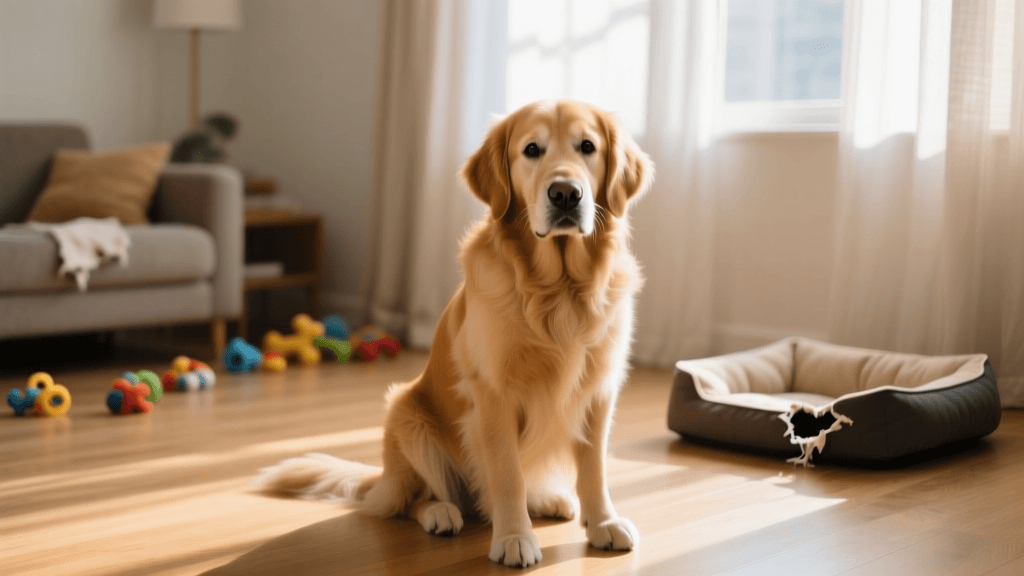
Coming home to a destroyed living room, scratched doors, or noise complaints from neighbors is one of the most stressful experiences a dog owner can face. When you walk through the door to find shredded couch cushions or a knocked-over trash can, it is easy to assume your dog is acting out of spite or simple disobedience. However, canine behaviorists emphasize that dogs do not experience spite. Instead, destructive behavior when left alone is almost always a symptom of an underlying emotional or environmental issue. The two most common culprits are true separation anxiety and chronic boredom. Misdiagnosing the problem can lead to ineffective training methods, wasted money on the wrong products, and a deteriorating bond between you and your pet. According to the ASPCA, separation anxiety is a complex behavioral condition characterized by extreme panic and distress when a dog is separated from their primary attachment figure. It requires a vastly different approach than simply providing more physical exercise. In this comprehensive guide, we will break down exactly how to diagnose the root cause of your dog's solitary misbehavior and provide a step-by-step, actionable protocol to restore peace to your household.
Diagnosing the Root Cause: Anxiety vs. Boredom
Before purchasing calming supplements or hiring a professional trainer, you must accurately diagnose what your dog is experiencing. The most effective way to do this is by setting up an affordable indoor pet camera, such as the Wyze Cam v3 (approximately $35) or a Furbo 360 (approximately $199). Recording your dog's behavior during the first 30 minutes after your departure provides undeniable data. True separation anxiety typically manifests within the first 10 to 15 minutes of your departure. The dog will pace, pant heavily, drool, howl, or frantically scratch at exit points. Conversely, a bored or under-stimulated dog will often sleep for the first hour, wake up, wander the house looking for entertainment, and eventually dismantle a pillow or raid the trash can out of sheer lack of mental engagement. Furthermore, confinement distress—a panic response specifically related to being locked in a crate or small room—can mimic separation anxiety but only occurs when physical barriers are present.
Behavioral Comparison Chart
| Behavior Indicator | Separation Anxiety | Boredom / Under-stimulation | Confinement Distress |
|---|---|---|---|
| Timing of Destruction | Occurs within 10-20 minutes of owner departure. | Occurs hours after departure, after waking from a nap. | Occurs immediately upon being placed in a crate or closed room. |
| Vocalization Patterns | Continuous, panicked howling, whining, or barking without pausing. | Intermittent barking at outside noises or brief whining for attention. | Frantic barking and scratching specifically directed at the crate door. |
| Elimination | Urination/defecation occurs even in house-trained dogs due to panic. | Elimination is rare unless the dog is left alone beyond their physical capacity. | May eliminate in the crate out of extreme stress, despite being house-trained. |
| Camera Body Language | Pacing, trembling, excessive panting, drooling, and ignoring treats. | Sniffing, foraging, chewing on forbidden items, and relaxed body posture. | Clawing at the latch, biting the crate bars, and attempting to escape. |
Actionable Solutions for Canine Separation Anxiety
If your camera footage confirms that your dog is experiencing true separation anxiety, punishment is entirely counterproductive. The The Humane Society of the United States strongly advises against scolding a dog for anxiety-induced destruction, as they cannot connect your anger upon returning home with the panic they felt hours earlier. Instead, you must implement a multi-faceted approach combining environmental management, desensitization, and physiological support.
1. Environmental Management and Pheromone Therapy
While working on long-term behavioral modification, you must manage the environment to prevent rehearsal of the panicked behavior. If your dog is not crate-trained or exhibits confinement distress, confine them to a dog-proofed room or use a freestanding exercise pen rather than a closed crate. To chemically lower their baseline stress levels, plug in an Adaptil Calm Home Diffuser (approximately $25-$30) in the room where your dog spends the most time. This synthetic pheromone mimics the comforting scent of a nursing mother dog and covers up to 700 square feet. For maximum efficacy, plug the diffuser in 24 hours before you anticipate leaving your dog alone, allowing the pheromones to fully saturate the environment.
2. Departure Cue Desensitization Protocol
Dogs with separation anxiety often begin panicking before you even leave the house. They recognize your 'departure cues'—such as picking up your keys, putting on your shoes, or grabbing your coat. You must desensitize your dog to these triggers so they no longer predict your absence. Dedicate 10 minutes, three times a day, to the following protocol:
- Step 1: Pick up your car keys, then immediately sit back down on the couch and ignore your dog. Repeat this 10 times until your dog stops reacting to the sound of the keys.
- Step 2: Put on your coat and shoes, then immediately take them off and make a cup of coffee. Repeat until the dog shows zero signs of anticipation or stress.
- Step 3: Open the front door, step outside, close it, and immediately re-enter. Gradually increase the time you spend outside from 1 second to 5 seconds, then 30 seconds, over the course of several weeks.
This systematic desensitization rewires your dog's brain to understand that departure cues do not always result in prolonged isolation.
3. Strategic Enrichment and Food-Dispensing Toys
For dogs suffering from boredom or mild distress, providing high-value, long-lasting enrichment is crucial. A standard bowl of kibble is consumed in seconds and offers no mental stimulation. Instead, utilize a Kong Classic ($15-$20). Fill it with a mixture of plain Greek yogurt, mashed bananas, and a spoonful of dog-safe peanut butter, then freeze it for at least 4 hours. A frozen Kong can occupy a dog for 30 to 45 minutes, providing a critical window of distraction during your departure. For advanced mental stimulation, introduce puzzle toys like the Outward Hound Nina Ottosson Dog Brick ($30), which requires the dog to slide, lift, and flip compartments to access hidden treats. Mental fatigue is just as effective as physical exercise in promoting a calm, resting state while you are away.
4. Physical Exercise Metrics
A tired dog is generally a calmer dog, but the type of exercise matters. A 15-minute walk around the block is rarely sufficient for working or herding breeds. Aim for 45 to 60 minutes of aerobic exercise before you leave for the day. Activities like fetch, flirt-pole sessions, or jogging elevate the heart rate and burn off excess adrenaline, making your dog far more likely to sleep during your absence.
Nutritional and Supplement Support
For dogs that remain highly anxious despite environmental and training interventions, over-the-counter calming supplements can provide a vital bridge. Look for products containing L-Theanine, L-Tryptophan, or Colostrum Calming Complex. Zylkene (approximately $40 for a one-month supply) is a highly regarded, veterinarian-recommended supplement derived from a milk protein that promotes relaxation without causing drowsiness. Alternatively, Solliquin (approximately $35) utilizes a blend of botanical extracts to support balanced behavior. Always introduce supplements 3 to 5 days before a known stressful event or period of absence to allow the active ingredients to build up in your dog's system.
When to Seek Professional Veterinary Help
Behavioral modification takes time, often requiring 8 to 12 weeks of consistent daily practice to see significant improvements. However, if your dog is injuring themselves attempting to escape, refusing to eat high-value treats when alone, or exhibiting severe panic attacks, it is time to consult a professional. Speak with your primary veterinarian or seek out a board-certified veterinary behaviorist (DACVB). In severe cases of separation anxiety, the dog's brain is flooded with cortisol and adrenaline, making them physically incapable of learning new coping mechanisms. A veterinarian can prescribe anti-anxiety medications such as Fluoxetine or Clomipramine. These medications do not 'sedate' the dog; rather, they balance the neurochemistry in the brain, lowering the panic threshold enough for your desensitization training to actually take effect.
Summary and Next Steps
Diagnosing and treating dog separation anxiety is a marathon, not a sprint. By utilizing camera technology to accurately differentiate between panic and boredom, you can tailor your approach to your dog's specific needs. Implement departure cue desensitization, utilize frozen food-dispensing toys, and consider pheromone diffusers or calming supplements to support your dog's emotional well-being. With patience, consistency, and the right diagnostic tools, you can help your dog feel safe, secure, and relaxed, even when you are not in the room.
jonas-cole
All our authors care for dogs every day — read more of their work on the authors page.