Training Diabetic Alert Dogs: 2026 Scent Imprinting Guide
Master diabetic alert dog training in 2026 with our step-by-step scent imprinting guide, covering isoprene detection, alert behaviors, and CGM integration.
The Evolving Role of Diabetic Alert Dogs in 2026
In the landscape of modern medical assistance, the partnership between humans and working dogs continues to evolve. As we navigate 2026, continuous glucose monitors (CGMs) like the latest Dexcom G8 and Abbott Freestyle Libre 4 iterations have become incredibly sophisticated, offering real-time interstitial fluid tracking and predictive algorithms. However, technology is not infallible. Sensors can fail, adhesives can detach during sleep, and interstitial fluid readings inherently lag behind actual blood glucose drops. This is where the Diabetic Alert Dog (DAD) remains an irreplaceable asset.
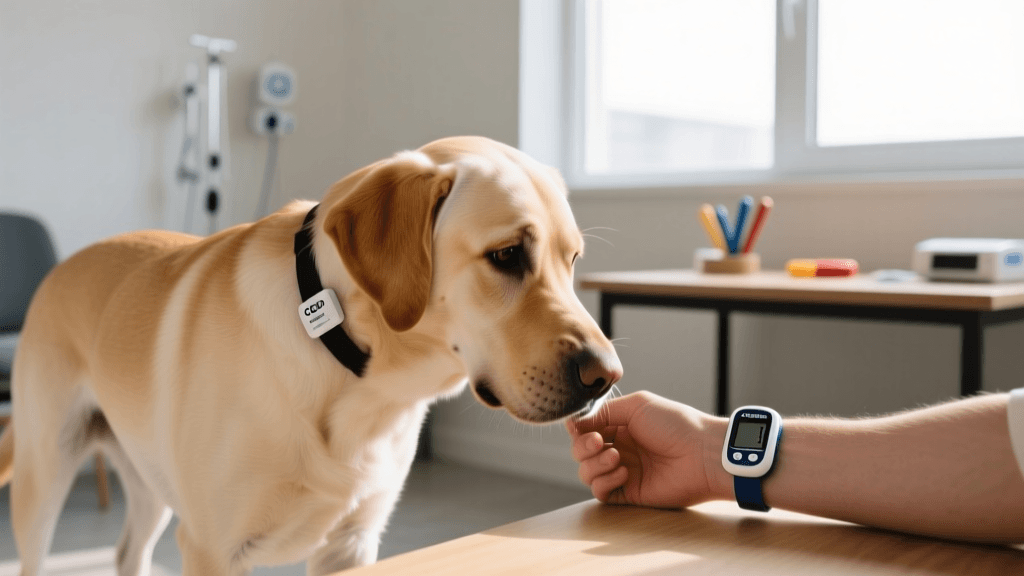
A well-trained DAD does not just read a number; they detect the volatile organic compounds (VOCs) released by the human body during rapid glycemic changes. By providing a biological redundancy system, these working dogs offer peace of mind, emotional support, and life-saving early warnings. According to the American Diabetes Association, managing hypoglycemia unawareness is a critical challenge for many insulin-dependent individuals, making the predictive olfactory capabilities of a service dog invaluable.
This comprehensive guide will walk you through the precise, science-backed scent imprinting techniques required to train a Diabetic Alert Dog in 2026, ensuring your canine partner meets the rigorous standards expected of modern medical service animals.
The Science Behind the Sniff: What Are Dogs Detecting?
Before beginning any imprinting protocol, it is vital to understand the biological mechanism of the alert. When a human experiences a rapid drop in blood sugar (hypoglycemia), the body undergoes metabolic stress. This stress triggers the release of specific chemicals through the breath, sweat, and saliva.
The primary compound that dogs are trained to detect is isoprene. Isoprene is a natural byproduct of cholesterol synthesis in the body, and its concentration in exhaled breath increases significantly during hypoglycemic events. Additionally, dogs may detect subtle changes in cortisol and adrenaline levels associated with the body's physiological panic response to low blood sugar. By isolating and capturing these specific scent profiles, we can condition the dog to recognize the chemical shift long before a physical tremor or CGM alarm occurs.
Essential 2026 Scent Collection and Storage Gear
Successful imprinting relies entirely on the integrity of the scent samples. Contaminated or degraded samples will confuse the dog and create false alerts. To build a robust training kit, you will need the following specialized equipment:
- Medical-Grade Sterile Swabs: Use individually wrapped, cotton-tipped applicators to collect saliva and sweat samples.
- Airtight Glass Scent Vials: Plastic is porous and can absorb odors over time. Amber glass vials with PTFE-lined caps are the 2026 industry standard for preserving VOCs.
- Scent Tubes with Perforated Lids: These allow the dog to sniff the sample without physically accessing or destroying the swab.
- Dedicated Freezer Storage: A small, dedicated chest freezer (not the kitchen fridge, which contains food odors) set to -4°F (-20°C) to preserve the chemical integrity of the isoprene.
- Synthetic Isoprene Calibration Kits: For advanced proofing, modern synthetic scent aids allow trainers to test the dog's threshold levels without relying solely on biological samples.
Step-by-Step Scent Imprinting Protocol
Imprinting is the process of teaching the dog that a specific odor predicts a high-value reward. This phase requires patience, precision, and strict adherence to classical conditioning principles.
Phase 1: Scent Collection and Preparation
Collect samples only when the handler's blood glucose is confirmed to be in a hypoglycemic state (typically below 70 mg/dL, or at the handler's specific clinical threshold). Swab the inside of the cheek, the back of the neck, and the underarms. Immediately place the swab into a glass vial, label it with the date and blood sugar reading, and freeze it. Never collect samples when the handler's blood sugar is normal, as this will teach the dog to alert on the handler's baseline scent.
Phase 2: Classical Conditioning (The Scent-Reward Association)
Begin in a low-distraction environment. Thaw a single hypoglycemic swab and place it inside a perforated scent tube.
- Present the scent tube to the dog.
- The exact second the dog sniffs the tube, mark the behavior with a clicker or a verbal marker like 'Yes!'
- Immediately deliver a high-value reward (e.g., freeze-dried liver or a favorite tug toy).
- Remove the tube and hide it behind your back.
- Repeat this process 10 to 15 times per session, keeping sessions under 5 minutes to prevent olfactory fatigue.
The goal is to build an emotional response: the smell of isoprene means a jackpot reward is coming.
Phase 3: Shaping the Alert Behavior
Once the dog is actively seeking out the scent tube and showing excitement upon smelling it, you must shape a specific, actionable alert behavior. The dog must transition from passively smelling to actively notifying the handler.
Hold the scent tube slightly out of reach. Wait for the dog to offer a behavior. If you are shaping a 'paw' alert, catch and reward any upward movement of the paw toward the tube. If shaping a 'retrieve' alert, reward the dog for picking up a designated alert toy (a 'bringsel') that is presented alongside the scent. Gradually increase the criteria until the dog performs the full alert behavior reliably upon detecting the odor.
Selecting and Shaping the Alert Behavior
Choosing the right alert behavior depends on the handler's lifestyle, mobility, and sleeping arrangements. Below is a comparison of the three most common DAD alert behaviors utilized in modern training programs.
| Alert Behavior | Description | Pros | Cons |
|---|---|---|---|
| Paw / Scratch | Dog places paw on handler's leg or arm. | Highly visible; easy to shape; effective for waking a sleeping handler. | Can be mistaken for begging or attention-seeking in public; may cause minor scratching. |
| Retrieve (Bringsel) | Dog picks up a specific toy attached to their collar or placed nearby and brings it to the handler. | Unmistakable medical alert; highly discreet in public; keeps dog's mouth busy. | Requires the handler to be conscious enough to receive the item; harder to shape initially. |
| Nudge / Nose Bop | Dog firmly presses their nose against the handler's hand or leg. | Very gentle; excellent for handlers with sensory sensitivities or fragile skin. | May be ignored by heavy sleepers; easily missed in crowded public environments. |
Proofing for Public Access and Home Life
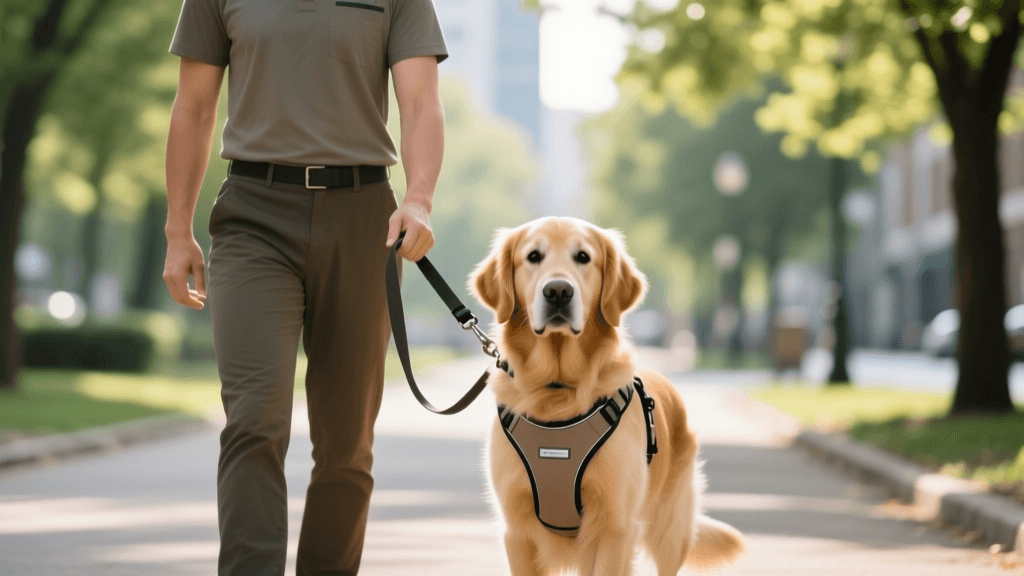
A dog that alerts perfectly in the kitchen is not yet a service dog. Proofing involves introducing environmental variables to ensure the dog's olfactory focus remains unbroken. In 2026, public environments are filled with complex odor profiles, from synthetic air fresheners to diverse food courts.
Begin by placing the hypoglycemic scent tube in various rooms of the house, then move to the yard, and eventually to controlled public spaces. The dog must learn to locate the source of the scent (the handler) and perform the alert behavior regardless of surrounding distractions. It is critical to familiarize yourself with the Americans with Disabilities Act (ADA) service animal guidelines to ensure your training aligns with federal public access requirements. Furthermore, organizations like Assistance Dogs International (ADI) provide rigorous public access test standards that serve as an excellent benchmark for evaluating your dog's readiness.
Troubleshooting Common Imprinting Issues
- False Alerts: If the dog alerts when blood sugar is normal, you may have accidentally contaminated your baseline samples, or the dog is alerting on the handler's stress hormones rather than isoprene. Return to Phase 2 and use strictly verified samples.
- Olfactory Fatigue: If the dog stops responding during a session, they are likely experiencing nose blindness. End the session immediately and try again the next day with shorter, more explosive training intervals.
- Alert Extinction: If the handler consistently ignores the alert or fails to verify with a blood test and reward, the behavior will extinguish. Always treat a canine alert as a medical event, verify with a glucometer, and reward the dog even if the CGM hasn't caught up yet.
Integrating Canine Alerts with 2026 CGM Technology
The most effective medical management strategy in 2026 involves a symbiotic relationship between the DAD and modern technology. Trainers now actively condition dogs to alert alongside or slightly before CGM alarms. During training, you can use a secondary device to mimic the high-pitched frequency of a CGM receiver. Teach the dog that the chemical scent is the primary trigger, but the electronic alarm is a secondary confirmation cue.
This dual-layer approach ensures that if a sensor falls off in the middle of the night, the dog's biological nose is there to bridge the gap. Conversely, if the dog is distracted or resting deeply, the CGM serves as the ultimate fail-safe.
Conclusion
Training a Diabetic Alert Dog is a profound commitment that requires a deep understanding of canine olfaction, strict sample management, and unwavering consistency. By utilizing modern scent preservation techniques, adhering to classical conditioning protocols, and integrating your dog's skills with 2026's advanced medical technology, you can forge a life-saving partnership. Remember that a working service dog is a living, breathing teammate; prioritize their physical health, mental enrichment, and regular re-certification to ensure they remain a confident and capable medical partner for years to come.
robin-maitland
All our authors care for dogs every day — read more of their work on the authors page.