Decoding Canine Cognitive Dysfunction In Senior Dogs
Understand the behavioral signs of Canine Cognitive Dysfunction in aging dogs and discover practical strategies to support their mental health and comfort.

The Psychology of the Aging Canine Brain
As our beloved dogs enter their golden years, their bodies are not the only things that undergo significant changes; their brains do as well. For many pet parents, the most heartbreaking aspect of senior dog care is witnessing a shift in their companion's personality, awareness, and behavior. This is often driven by Canine Cognitive Dysfunction (CCD), a neurodegenerative condition that closely mirrors Alzheimer's disease in humans. Understanding the psychology and neurology behind CCD is the first step in providing compassionate, effective care for an aging dog.
At a neurological level, CCD is characterized by the accumulation of beta-amyloid plaques in the brain. These proteins disrupt neural communication, leading to oxidative stress and the death of neurons. Furthermore, the aging canine brain experiences a decline in dopamine levels and a reduced ability to metabolize glucose, which is the brain's primary energy source. This combination of physical brain changes and energy deficits results in the confusion, anxiety, and behavioral shifts that pet owners observe. According to the U.S. Food and Drug Administration, cognitive decline is a recognized and significant health issue in aging pets, requiring both medical and environmental management to maintain their quality of life.
Recognizing the Signs: The DISHAA Assessment
Veterinary behaviorists utilize the DISHAA framework to diagnose and track the progression of Canine Cognitive Dysfunction. If your senior dog is exhibiting signs of confusion, it is vital to observe them through this structured lens. Below is a detailed breakdown of the DISHAA categories.
| Category | Behavioral Signs in Senior Dogs |
|---|---|
| Disorientation | Getting stuck in corners or behind furniture, staring blankly at walls, failing to recognize familiar rooms or people, and wandering aimlessly without a clear purpose. |
| Interactions | Decreased interest in greeting family members, irritability when approached, withdrawal from social interactions, or unusually clingy and dependent behavior. |
| Sleep-Wake Cycles | Pacing or vocalizing at night, sleeping excessively during the day, restless tossing and turning, and an inability to settle into a deep sleep cycle. |
| House-Soiling | Urinating or defecating indoors despite a history of reliable house training, failing to signal the need to go outside, or eliminating in inappropriate areas like the bed. |
| Activity Levels | Apathy and decreased exploration, loss of interest in toys or walks, or conversely, repetitive, purposeless behaviors like constant licking or shadow-chasing. |
| Anxiety | Newly developed fears of loud noises, separation anxiety in a previously confident dog, panting, trembling, and an inability to be left alone in a room. |
If your dog exhibits symptoms in two or more of these categories, it is highly recommended to consult your veterinarian. The ASPCA Senior Dog Care guidelines emphasize that early detection of cognitive decline allows for interventions that can significantly slow the progression of the disease and improve your dog's daily comfort.
Differentiating CCD from Normal Aging and Physical Pain
One of the greatest challenges in understanding senior dog behavior is differentiating true cognitive dysfunction from normal aging, sensory loss, or underlying physical pain. A dog that stops going up the stairs may not be disoriented; they may be suffering from severe osteoarthritis in their hips or spine. Similarly, a dog that seems to ignore your commands or bumps into furniture might be experiencing age-related hearing loss or lenticular sclerosis (clouding of the eyes).
Pain is a massive behavioral modifier. Chronic pain from dental disease, arthritis, or gastrointestinal issues can cause a dog to pace at night, snap when touched, or refuse to eat. Before assuming a behavioral change is strictly cognitive, a comprehensive veterinary workup is mandatory. This should include a full orthopedic exam, dental evaluation, blood panel, and urinalysis to rule out metabolic conditions like kidney disease or hypothyroidism, which can mimic cognitive decline.
Practical Management: Environment, Diet, and Enrichment
Once medical issues are managed and CCD is identified, the focus shifts to environmental modifications and psychological support. The goal is to reduce anxiety by creating a predictable, safe, and stimulating environment.
Environmental Modifications for Safety and Comfort
An aging dog with CCD can easily become frightened by their surroundings. Making the home accessible and secure is paramount.
- Non-Slip Flooring: Senior dogs often lose proprioception (awareness of body position). Slippery hardwood or tile floors can cause panic and falls. Invest in high-quality non-slip area rugs, such as Gorilla Grip Non-Slip Rug Pads (approx. $25-$40), to provide secure traction in high-traffic areas.
- Orthopedic Support: Joint pain exacerbates cognitive stress. Provide a high-density memory foam bed. The Big Barker 7-inch Orthopedic Dog Bed (approx. $250-$300) is widely recommended by veterinarians for its therapeutic support and ease of entry for large breed seniors.
- Lighting and Navigation: Dogs with CCD often suffer from night terrors and sundowning. Install LED motion-sensor nightlights (e.g., Energizer LED Night Lights, approx. $15 for a 4-pack) in hallways and near their sleeping area to prevent disorientation if they wake up in the dark.
Dietary Interventions and Brain Nutrition
Because the aging brain struggles to utilize glucose, providing alternative energy sources and neuroprotective antioxidants is a cornerstone of CCD management.
- Medium-Chain Triglycerides (MCTs): MCT oils bypass normal fat digestion and are converted directly into ketones by the liver. Ketones can cross the blood-brain barrier and provide an immediate, alternative energy source for the starving brain. Diets like Purina Pro Plan Bright Mind Adult 7+ (approx. $60 for a 16lb bag) are scientifically formulated with enhanced botanical oils rich in MCTs to improve cognitive function.
- Omega-3 Fatty Acids: EPA and DHA are critical for reducing neuroinflammation. Supplement with a high-quality fish oil like Nordic Naturals Omega-3 Pet. A general therapeutic dosage for cognitive support is 50 to 100 mg of combined EPA/DHA per kilogram of body weight daily, but always confirm with your vet.
Psychological Enrichment and Routine
Mental stimulation helps build new neural pathways, a concept known as neuroplasticity, which remains active even in senior dogs.
- Scent Work and Foraging: Olfaction is deeply tied to the canine brain. Use a Snuffle Mat (approx. $20) to hide their daily kibble. This encourages natural foraging instincts, provides mental fatigue, and slows down eating without requiring strenuous physical exertion.
- Adapted Chew Toys: Senior dogs have weaker teeth and gums but still need the psychological release of chewing. The Kong Senior (approx. $15) is made from a softer, purple rubber compound that is gentle on aging jaws while still providing an outlet for stress relief.
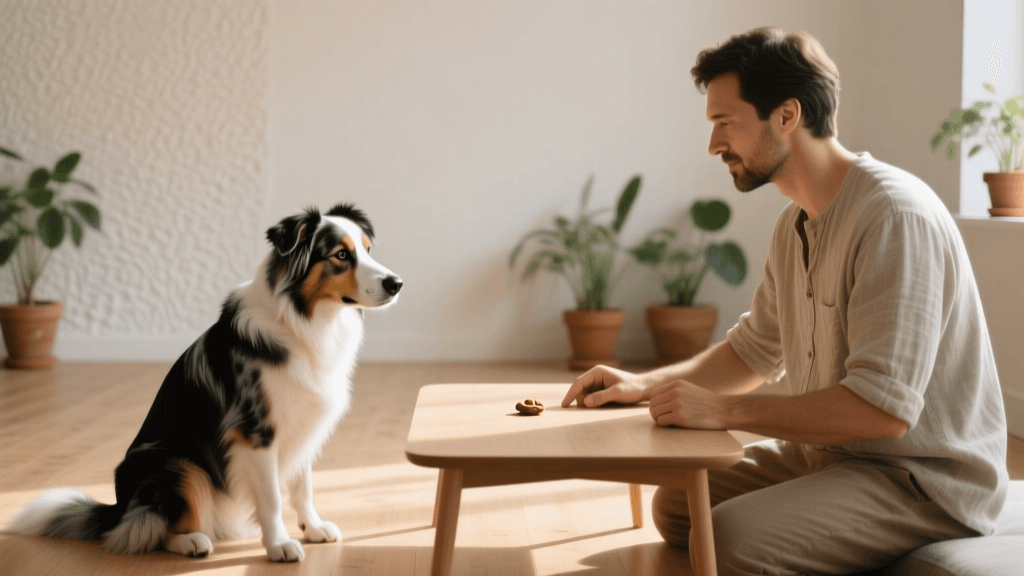
- Micro-Training Sessions: Keep the brain sharp with 5-minute training sessions using high-value, soft treats (like Zuke's Mini Naturals). Re-teaching basic cues like 'touch' or 'look at me' reinforces the bond and provides a sense of structure and accomplishment for the dog.
Medical Interventions and Supplements
While there is no cure for CCD, certain pharmaceuticals and nutraceuticals can manage symptoms and improve daily functioning. Selegiline (Anipryl) is an FDA-approved medication for CCD that works by increasing dopamine levels in the brain, which can improve sleep-wake cycles and reduce aimless wandering.
Additionally, veterinary-prescribed supplements containing SAMe (S-adenosylmethionine), such as Novifit or Senilife, have been shown to improve cellular energy and protect neurons from oxidative damage. These interventions should always be paired with the environmental and dietary strategies outlined above for a holistic approach to senior care.
Compassion and Patience in the Golden Years
Understanding Canine Cognitive Dysfunction requires a shift in perspective. When a senior dog soils the house or paces at 3:00 AM, they are not being stubborn or defiant; they are experiencing a terrifying loss of cognitive control. By recognizing the DISHAA signs, ruling out physical pain, and implementing targeted environmental and nutritional support, you can profoundly impact their well-being. The psychology of the aging dog is rooted in their lifelong bond with you, and your patience, routine, and proactive care will remain their greatest source of comfort as they navigate their twilight years.
marcus-aldridge
All our authors care for dogs every day — read more of their work on the authors page.