Understanding Canine Osteoarthritis Behavior and 2026 Treatments
Learn how to decode subtle canine osteoarthritis pain behaviors and explore the latest 2026 veterinary treatments like Librela to restore your dog's joy.
The Hidden Psychology of Canine Osteoarthritis
Canine osteoarthritis (OA) is frequently viewed strictly through a physical lens—a mechanical breakdown of cartilage and bone. However, as we navigate the veterinary and behavioral landscape of 2026, our understanding of OA has profoundly shifted. We now recognize it as a complex psychological and behavioral condition. Chronic pain fundamentally alters a dog's personality, communication signals, and environmental interactions. To truly help our aging or injured companions, we must look beyond the limp and understand the psychology of canine pain.
From an evolutionary standpoint, dogs are hardwired to mask discomfort. In the wild, displaying vulnerability could invite aggression from rivals or predators. While our domestic dogs are far removed from their wolf ancestors, this stoic instinct remains deeply embedded in their psychology. Consequently, the behavioral shifts associated with early-stage osteoarthritis are often incredibly subtle, easily mistaken for "normal aging" or sudden behavioral issues like stubbornness or unprovoked aggression.
Decoding the Behavioral Signals of OA in 2026
Because dogs rarely vocalize chronic joint pain through whimpering or crying, owners must become fluent in the subtle body language of discomfort. According to the WSAVA Global Pain Council, recognizing chronic pain requires observing changes in a dog's daily routines and micro-expressions. Here are the critical behavioral indicators of osteoarthritis that every dog owner should monitor:
- The "Pain Face" and Micro-Expressions: Chronic pain often manifests in the face. Look for a tense jaw, flattened ears, narrowed eyes, or excessive lip licking and yawning when not tired. These are classic canine calming signals that indicate internal stress and discomfort.
- Activity Avoidance and Hesitation: Your dog may no longer refuse a walk outright, but they might hesitate before jumping into the car, take a wider turn around furniture, or lag significantly behind on familiar routes. They are subconsciously calculating the "cost" of movement.
- Sleep Architecture Disruptions: Joint pain often worsens when a dog is still. If your dog is pacing at night, frequently changing sleeping positions, or sleeping in unusual locations (like on the cool tile instead of their bed), they are likely seeking relief from joint stiffness.
- Reactivity and "Unprovoked" Aggression: A previously gentle dog may snap when petted, groomed, or approached while resting. This is rarely true aggression; it is a defensive behavioral response to anticipated pain. The dog is communicating, "Do not touch me, it hurts."
- Decreased Play and Social Withdrawal: A loss of interest in interactive play, greeting you at the door, or engaging with other dogs is a hallmark psychological symptom of chronic pain. The mental energy required to cope with constant discomfort leaves little room for social engagement.
Modern 2026 Osteoarthritis Treatments and Behavioral Outcomes
The year 2026 has brought remarkable advancements in veterinary pain management, moving us away from relying solely on traditional NSAIDs, which can carry long-term gastrointestinal and renal risks. Modern treatment protocols focus on multimodal therapy, targeting the nervous system's perception of pain and preserving joint health. Understanding how these treatments work is key to anticipating the positive behavioral shifts you will see in your dog.
Anti-NGF Monoclonal Antibodies (Librela and Solensia)
The most significant paradigm shift in recent years has been the widespread adoption of anti-Nerve Growth Factor (NGF) monoclonal antibodies, such as Librela (bedinvetmab) for dogs. NGF is a protein that becomes elevated in osteoarthritic joints, directly amplifying pain signals sent to the brain. By neutralizing NGF, Librela effectively "turns down the volume" on pain before it is perceived.
From a behavioral perspective, the results are often described as miraculous. Because these biologics do not cause the sedation sometimes associated with gabapentin or opioids, dogs experience a rapid "unmasking" of their true personalities. Owners frequently report that within 48 to 72 hours of the first injection, their senior dogs resume playing with toys, greeting family members with enthusiasm, and exhibiting the youthful behaviors they had abandoned years prior. The psychological burden of chronic pain is lifted, restoring the dog's natural confidence and joy.
Multimodal Pain Management and Rehab
The AAHA Osteoarthritis Guidelines strongly emphasize a multimodal approach. In 2026, this means combining anti-NGF therapies or targeted NSAIDs like Galliprant (grapiprant) with physical rehabilitation, weight management, and joint supplements (like Omega-3 fatty acids and undenatured type II collagen). Physical therapy, including underwater treadmill sessions and therapeutic laser, not only preserves muscle mass but also releases endorphins, improving the dog's overall mood and reducing anxiety related to mobility loss.
Treatment Comparison and Behavioral Shifts
To help you understand how different 2026 treatment modalities impact your dog's daily life and behavior, refer to the comparison table below:
| Treatment Modality | Mechanism of Action | Expected Behavioral Shift | Onset of Action |
|---|---|---|---|
| Anti-NGF (Librela) | Neutralizes Nerve Growth Factor to block pain signaling | Rapid return of youthful play, reduced nighttime pacing, decreased reactivity | 24 - 72 hours |
| Targeted NSAIDs (Galliprant) | Blocks the EP4 receptor, targeting inflammation-driven pain | Improved morning mobility, increased willingness to go on walks | 2 - 4 hours |
| Gabapentin / Amantadine | Modulates central nervous system pain pathways | Reduced anxiety and reactivity, better sleep quality (may cause mild sedation) | 1 - 2 hours |
| Therapeutic Laser & Rehab | Reduces local inflammation, promotes tissue healing | Increased confidence in movement, better engagement in physical tasks | Cumulative (weeks) |
Psychological Enrichment for the Mobility-Impaired Dog
Even with the best 2026 medical treatments, some dogs with severe osteoarthritis will still face physical limitations. When a dog can no longer run for miles or hike rugged trails, they can experience a psychological void. Dogs are working animals; they need a "job" and mental stimulation to maintain cognitive health and prevent depression.
Adapting Your Dog's Environment and Routine
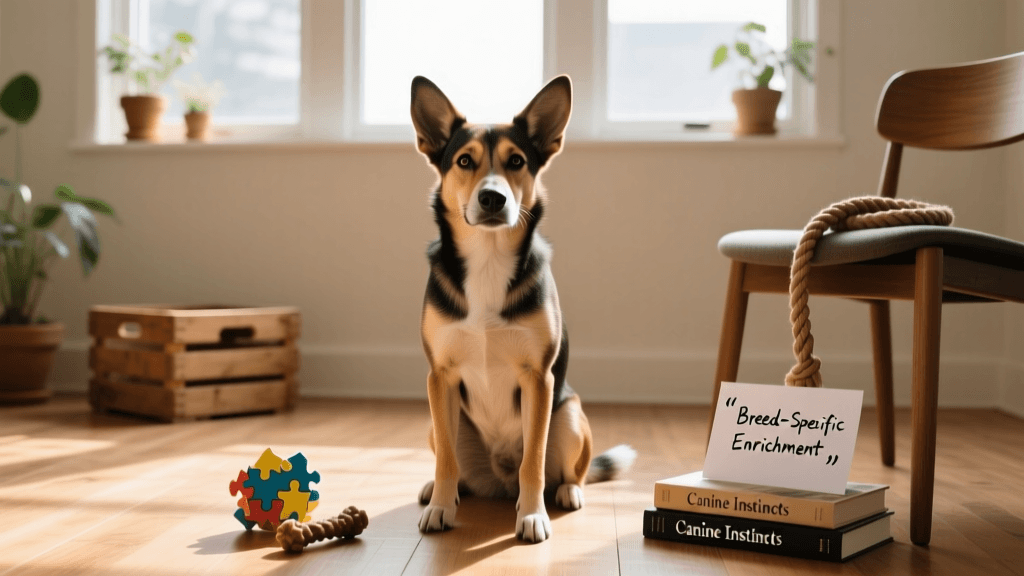
Environmental modification is a critical component of behavioral management. Providing orthopedic memory foam beds, non-slip rugs on hardwood floors, and ramps for furniture access reduces the daily anxiety associated with navigating the home. Furthermore, shifting from purely physical exercise to mental enrichment is vital. According to resources highlighted by the American Kennel Club, engaging a dog's nose is just as tiring as a long walk. Implementing "sniffaris" on slow, sniff-heavy walks, using snuffle mats for feeding, and introducing puzzle toys can satisfy their natural foraging instincts without placing undue stress on degenerating joints.
Conclusion
Understanding canine osteoarthritis requires us to look past the physical limp and recognize the profound psychological toll that chronic pain takes on our dogs. By learning to decode their subtle behavioral signals and leveraging the advanced, targeted treatments available in 2026, we can do more than just manage their pain. We can restore their spirit, rebuild their confidence, and give them back the joyful, engaged life they deserve.
anouk-beaumont
All our authors care for dogs every day — read more of their work on the authors page.