Decoding Dog Calming Signals: Lip Licking & Yawning 2026
Learn to decode dog calming signals like lip licking and yawning in 2026. Understand canine appeasement gestures to reduce stress and improve communication.
The Evolution of Canine Communication in 2026
As we navigate the evolving landscape of canine behavioral science in 2026, our understanding of how dogs communicate has shifted dramatically. Gone are the outdated, dominance-based theories of the past. Today, veterinary behaviorists and ethologists focus heavily on emotional regulation, stress indicators, and the subtle ways our canine companions attempt to de-escalate tension. At the heart of this modern approach is the study of 'calming signals'—a complex vocabulary of body language and micro-expressions dogs use to self-soothe and communicate peaceful intentions to humans and other animals.
While foundational research on calming signals was established decades ago, 2026 behavioral studies utilizing advanced biometric tracking and AI-driven behavioral analysis have given us unprecedented insight into the autonomic nervous system responses of stressed dogs. Understanding these signals is no longer just a niche interest for professional trainers; it is a critical skill for any dog owner looking to foster a secure, trusting, and stress-free environment for their pet.
The Science Behind Appeasement Gestures
Calming signals are fundamentally appeasement gestures. In the wild, canids rely on these signals to prevent conflicts from escalating into physical violence, which could result in fatal injuries. In the domestic sphere, dogs deploy these same signals when they feel anxious, confused, or overwhelmed by their environment. According to The Humane Society of the United States, recognizing these subtle cues early can prevent the development of chronic anxiety and reactive behaviors.
Two of the most common, yet frequently misinterpreted, calming signals are lip licking and yawning. Because these actions also occur in non-stressful contexts (like eating or waking up), owners often miss the underlying emotional message when they occur during training sessions, veterinary visits, or crowded social gatherings.
Decoding Lip Licking and Nose Flicks
Lip licking in a stressful context is rarely about food or thirst. Often referred to as a 'nose flick,' this signal involves a quick, darting motion of the tongue over the nose or lips. In 2026, biometric studies show that this behavior is directly linked to a spike in cortisol and a sudden shift in the dog's sympathetic nervous system.
Common Triggers for Stress Lip Licking:
- Direct Eye Contact: Staring directly into a dog's eyes is perceived as a threat. If you lean in to hug your dog and they rapidly lick their lips, they are politely asking for space.
- Physical Restraint: During grooming, nail trims, or veterinary examinations, lip licking is a primary indicator of rising panic.
- Owner Tension: Dogs are incredibly adept at reading human micro-expressions and vocal tones. If you are frustrated during a training session, your dog may lip lick to signal that they feel the tension and are trying to appease you.
Yawning as a Stress Barometer
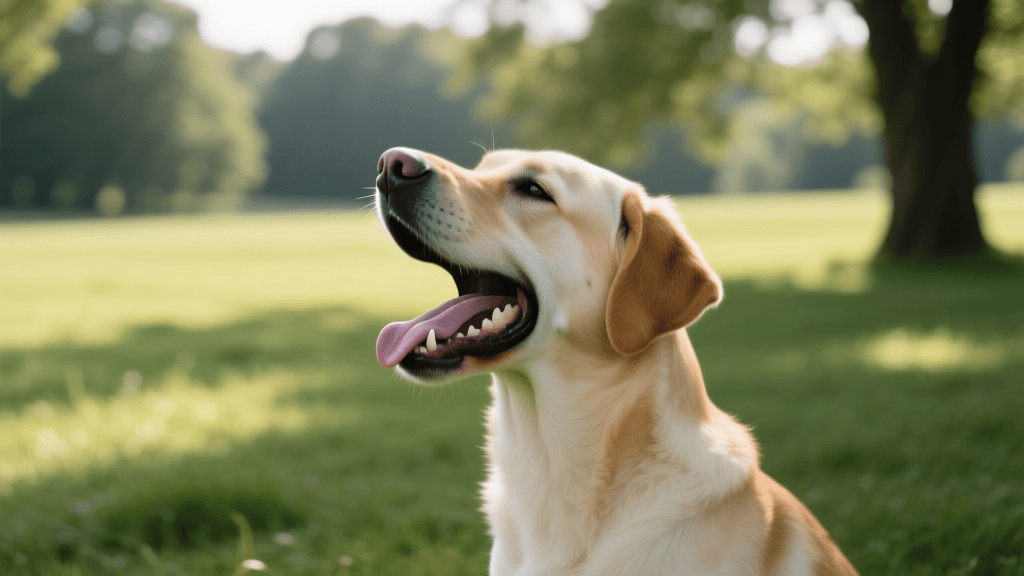
While yawning is naturally associated with fatigue and the transition between sleep cycles, a 'stress yawn' looks and functions differently. A stress yawn is often exaggerated, prolonged, and occurs in situations where the dog is highly alert but emotionally conflicted. According to the American Kennel Club, yawning in stressful situations helps oxygenate the brain and acts as a self-soothing mechanism to lower the dog's heart rate.
Contexts for Stress Yawning:
- Loud or Unpredictable Noises: Fireworks, thunderstorms, or even loud arguments in the home.
- Overwhelming Social Interactions: Being approached too quickly by a stranger or an overly enthusiastic toddler.
- Cognitive Overload: When a dog is asked to perform a complex task they do not fully understand, a yawn is a clear sign of mental fatigue and frustration.
Appeasement vs. Submission: A Modern Distinction
It is vital for modern dog owners to distinguish between appeasement gestures and submissive postures. Appeasement (like lip licking, yawning, or looking away) is proactive; the dog is attempting to prevent a conflict before it starts and maintain social harmony. Submission (like rolling over to expose the belly, tucking the tail tightly, or flattening the ears completely) is reactive; it is a display of surrender when the dog feels they have already lost the interaction and are pleading for mercy.
Misreading an appeasement signal as 'stubbornness' or 'ignoring the owner' is one of the leading causes of breakdown in the human-canine bond. When a dog yawns while you are asking them to 'sit,' they are not ignoring you; they are communicating that the pressure of the request is causing them internal distress.
Quick Reference: Calming Signals and Human Responses
The following table outlines common calming signals, their typical triggers, and how you should adjust your behavior in response.
| Calming Signal | Typical Trigger Context | Canine Meaning | Recommended Human Response |
|---|---|---|---|
| Lip Licking / Nose Flick | Hugging, leaning over, direct staring | 'I feel pressured and uncomfortable.' | Step back, turn your body sideways, avoid direct eye contact. |
| Exaggerated Yawning | Training sessions, loud environments, vet clinics | 'I am overwhelmed and trying to self-soothe.' | Take a break, lower your voice, reduce environmental stimuli. |
| Looking Away / Head Turn | Camera flashes, approaching strangers, scolding | 'I mean no harm, please de-escalate.' | Stop advancing, give the dog an escape route, offer a high-value treat. |
| Ground Sniffing | Meeting an unfamiliar dog, owner returning home angry | 'I am disengaging to avoid a confrontation.' | Allow the dog to sniff, do not force an interaction or pull the leash taut. |
Actionable Strategies and 2026 Calming Interventions
Recognizing these signals is only the first step. The true value lies in how you modify your environment and training protocols to honor your dog's communication. In 2026, we have access to highly effective, science-backed tools to help manage canine stress alongside behavioral adjustments.
1. Implement 'Consent Testing' in Daily Interactions
Before petting, hugging, or initiating play, perform a quick consent test. Pet the dog gently for three seconds, then stop and pull your hand away. If the dog leans in, nudges your hand, or offers a relaxed, open mouth, they are consenting to more interaction. If they lip lick, yawn, look away, or freeze, they are signaling that they have had enough. Respecting this boundary builds immense trust.
2. Leverage Modern Pheromone and Supplement Technology
If your dog frequently displays calming signals in specific environments (like during car rides or when left alone), integrating modern calming aids can lower their baseline cortisol levels, making behavioral modification easier.
- Adaptil Optimum Pheromone Diffuser (2026 Edition): Priced around $32 for a 30-day refill, this updated diffuser utilizes a synergistic blend of dog-appeasing pheromones that mimic the messages a mother dog produces to comfort her puppies. It is highly recommended for creating a 'safe zone' in the home.
- Zylkene (Casein-Based Supplement): Derived from a milk protein, this supplement has been clinically proven to promote relaxation without sedation. It is ideal for administering 90 minutes before a known stressor, such as a veterinary visit or a fireworks display.
- AI-Enhanced Monitoring: Devices like the Furbo 360 Dog Camera now feature AI-driven stress detection, alerting your smartphone if your dog is exhibiting repetitive pacing, excessive yawning, or vocalizing while you are away, allowing you to intervene remotely with voice soothing or treat tossing.
3. Adjust Training Methodologies
If your dog yawns or lip licks during training, the session has gone on too long, or the criteria for the reward is too unclear. According to the ASPCA's behavioral resources, keeping training sessions under five minutes and breaking complex behaviors into micro-steps prevents cognitive overload. Always end on a successful, low-stress repetition, and follow up with a decompression activity like sniffing on a long line in a quiet park.
Conclusion
Understanding canine calming signals like lip licking and yawning transforms the way we coexist with our dogs. By shifting our perspective from expecting blind obedience to fostering two-way communication, we create a partnership built on mutual respect. In 2026, the most successful dog owners are not those who can force their dogs into compliance, but those who are fluent in the silent language of their pets. Pay attention to the subtle flick of the tongue and the quiet yawn; your dog is speaking to you, and it is time we finally listen.
robin-maitland
All our authors care for dogs every day — read more of their work on the authors page.