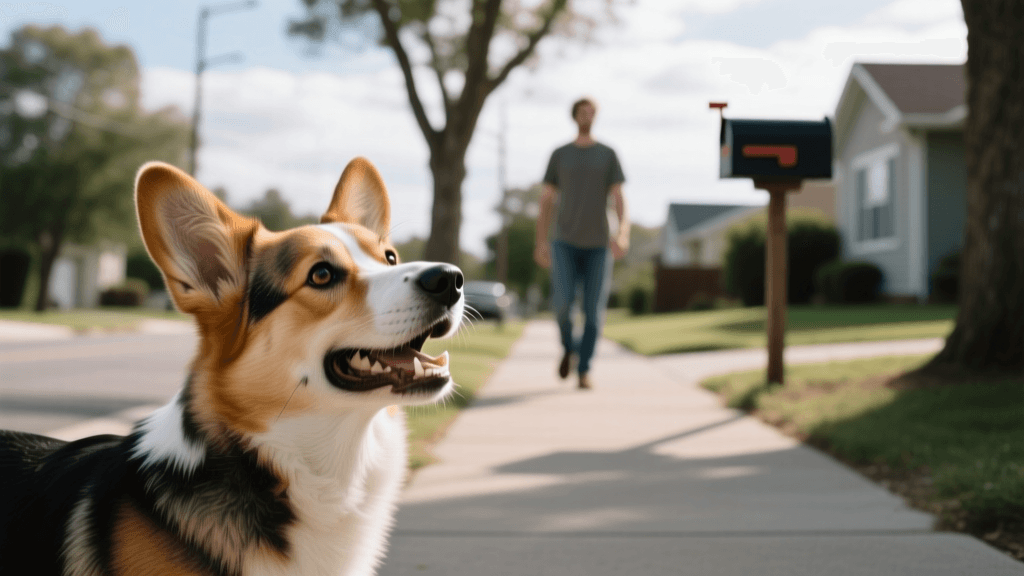
Decoding Travel Stress: Your Dog's Body Language on the Road
Learn to read your dog's body language during travel. Discover stress signals, trigger stacking, and actionable tips for anxiety-free adventures.

The Hidden Psychology of Canine Travel
The rise of dog-friendly travel has opened up a world of adventures for pet owners, from mountain cabin retreats to coastal road trips. However, while humans view a change of scenery as a relaxing escape, dogs often experience travel as a profound psychological disruption. To truly embrace dog-friendly adventures, we must shift our perspective and understand the journey through our dog's senses. Understanding your dog's body language and the psychology behind their reactions in novel environments is the cornerstone of safe, empathetic, and enjoyable travel.
Dogs are fundamentally creatures of habit, routine, and territory. Their understanding of the world is heavily mapped through olfactory cues—scent markers that tell them who has been where, and what belongs to them. When you load your dog into a car and transport them to a hotel, an Airbnb, or a campsite, you are stripping away their familiar scent blanket. According to the ASPCA's guidelines on traveling with pets, preparing for this sudden environmental shift is critical for minimizing anxiety and preventing behavioral issues on the road.
Trigger Stacking: Why the Journey Matters
In canine psychology, 'trigger stacking' refers to the cumulative effect of multiple stressors occurring in a short period. Each stressor causes a release of cortisol and adrenaline. While a single stressor might be easily shaken off, stacked stressors push a dog past their threshold, resulting in reactive or shut-down behavior.
Consider a typical travel day: the anxiety of seeing the suitcase (stressor 1), the confinement of the car (stressor 2), the loud noises of highway traffic (stressor 3), and finally, entering a strange-smelling hotel room (stressor 4). By the time you arrive at your destination, your dog's nervous system is in overdrive. Recognizing the early, subtle signs of stress before they stack is vital for maintaining your dog's emotional baseline.
Decoding Car Ride Body Language
Many owners mistake car sickness for simple nausea, but the root cause is often vestibular confusion combined with deep-seated anxiety. The Humane Society recommends gradual acclimation to vehicles to combat this, but reading your dog's real-time body language is equally important. Watch for these subtle displacement behaviors and stress signals during transit:
- Lip Licking and Yawning: If your dog is repeatedly licking their lips or yawning when they are not tired, this is a classic calming signal. They are attempting to self-soothe in an uncomfortable environment.
- Whale Eye: When a dog turns their head away but keeps their eyes fixed on a stressor, exposing the whites of their eyes (the sclera), it indicates high anxiety and a potential for defensive reactivity.
- Excessive Panting: Panting in a climate-controlled car is rarely about heat. It is a physiological response to a spike in adrenaline.
- Shaking Off: A full-body shake when the car stops or during a pause in traffic is a way for dogs to literally 'shake off' built-up nervous energy and reset their nervous system.
Navigating the Hotel or Rental Environment
Arriving at a rental property or hotel is often the most overwhelming part of the trip. The space smells of chemical cleaners, previous guests, and unknown animals. Your dog's instinct is to assess this new territory for threats. You may notice pacing, an inability to settle, or a refusal to eat. The American Veterinary Medical Association (AVMA) notes that maintaining familiar routines and bringing items from home can drastically reduce the stress of novel environments.
If your dog is pacing or hiding under the bed, do not force them out with high-energy encouragement. Instead, create a 'safe zone.' Set up their familiar crate or bed in a quiet corner, drape a familiar-smelling blanket over it, and allow them to decompress on their own timeline.
Comparison Chart: Normal Behavior vs. Canine Stress Signals
It is easy to misinterpret a dog's behavior when we are excited about our vacation. Use this table to differentiate between normal travel adjustments and genuine psychological distress.
| Observed Behavior | Common Misinterpretation | Actual Psychological Meaning | Actionable Solution |
|---|---|---|---|
| Refusing high-value treats (e.g., chicken, cheese) | The dog is not hungry or being stubborn. | Cortisol suppresses the digestive system. The dog is in 'survival mode' and cannot eat. | Remove the dog from the stressful stimulus. Wait for them to initiate contact, then offer food in a quiet, enclosed space. |
| Hyper-vigilance and staring at the door | The dog wants to go outside to play or explore. | The dog feels insecure in the new territory and is guarding against potential intruders. | Close the curtains, play white noise, and engage in a low-energy mental enrichment game like a snuffle mat. |
| Frantic sniffing and pulling on the leash | The dog is just excited to be on a hike. | Information overload. The dog is frantically trying to map the environment to feel secure. | Allow a 'Sniffari.' Give them 15-20 minutes on a long line to sniff without directional pressure. Mental mapping tires them out and lowers heart rate. |
| Excessive shedding or dandruff | Dry air in the cabin or car. | Acute stress response causing sudden follicle release and skin changes. | Provide gentle, long-stroke massage to release endorphins and lower the heart rate. |
The 3-3-3 Rule for Travel Decompression
While the 3-3-3 rule is traditionally applied to rescue dog adoption, it is highly applicable to canine travel psychology. When arriving at a new destination, adjust your expectations based on this timeline:
- 3 Hours (The Cortisol Drop): Upon arrival, your dog's adrenaline is peaking. Do not take them to a crowded dog-friendly patio or a busy trail. Allow them 3 hours of quiet time in the rental to sniff, drink water, and let their heart rate normalize.
- 3 Days (Routine Establishment): It takes about three days for a dog to begin understanding the new 'rules' and layout of a temporary home. Stick to strict feeding and walking schedules to provide a predictable framework in an unpredictable environment.
- 3 Weeks (Full Settlement): For extended stays or long-term RV travel, expect minor behavioral regressions (like indoor marking or separation anxiety) to potentially surface around the three-week mark as the initial novelty wears off and the reality of the displaced territory sets in.
Essential Gear for the Anxious Traveler
Understanding your dog's psychology allows you to select gear that actively supports their nervous system, rather than just providing physical containment.
- Pheromone Therapy: Products like Adaptil Transport Spray mimic the dog-appeasing pheromone (DAP) produced by nursing mothers. Spraying this in the car or on a hotel bed 15 minutes before your dog enters can signal safety to their limbic system.
- Crash-Tested Harnesses: A harness like the Kurgo Tru-Fit or Sleepypod Clickit provides physical security. The gentle, even pressure of a well-fitted harness can have a grounding effect on a dog's proprioception, similar to a thunder shirt.
- Lick Mats and KONG Toys: Licking and chewing are naturally self-soothing behaviors that release endorphins in a dog's brain. Freeze a KONG with peanut butter and plain yogurt the night before a long drive to provide a calming, long-lasting distraction.
- Long Lines (15-30 feet): When exploring new trails, a long line allows your dog to engage in natural roaming and sniffing behaviors while maintaining your control. This prevents the frustration and leash-reactivity that often occurs when dogs feel trapped in novel, stimulating environments.
Pro Tip: Never wash your dog's primary travel bed or blanket right before a trip. The accumulation of their natural scent is their most powerful psychological anchor when placed in a sterile, unfamiliar hotel room.
Conclusion: Empathy on the Road
True dog-friendly travel is not just about finding places that allow dogs; it is about creating an experience that considers the canine psychological experience. By learning to read the subtle whispers of your dog's body language—before they become shouts of reactive behavior—you transform from a simple pet owner into an empathetic adventure partner. Pay attention to the lip licks, the whale eyes, and the pacing. Honor their need for decompression, respect their threshold for trigger stacking, and you will build a foundation of trust that makes every future journey smoother, safer, and infinitely more rewarding for both of you.
jonas-cole
All our authors care for dogs every day — read more of their work on the authors page.