Decoding Canine Pain Signals: Librela & 2026 OA Care
Learn to spot subtle canine osteoarthritis pain signals in 2026 and discover how Librela injections and holistic care restore your dog's mobility and joy.
The Silent Epidemic: Why Dogs Hide Osteoarthritis Pain
As we navigate the advanced landscape of veterinary medicine in 2026, our understanding of canine communication has undergone a profound paradigm shift. For decades, dog owners relied on overt limping or vocalization to identify joint discomfort. However, modern veterinary behaviorists now recognize that osteoarthritis (OA) is a silent epidemic, largely because dogs are evolutionarily hardwired to conceal their pain. In the wild, displaying weakness made a canine a target for predators or a liability to the pack. Today, this survival instinct means that by the time your dog exhibits an obvious limp, the degenerative joint disease has often progressed to an advanced, debilitating stage.
Understanding canine communication is no longer just about interpreting tail wags and ear positions; it is a critical component of preventive healthcare. In 2026, the gold standard of canine wellbeing requires owners to become fluent in the micro-expressions and subtle behavioral shifts that indicate chronic discomfort. By decoding these early signals and pairing them with modern biologic therapies like Librela, we can dramatically alter the trajectory of our dogs' golden years.
Decoding the Subtle Signals of Canine Joint Pain
Canine communication regarding pain is notoriously nuanced. Dogs do not typically cry or whine when experiencing the chronic, dull ache of osteoarthritis. Instead, they exhibit changes in their daily routines, posture, and social interactions. According to the WSAVA Global Pain Council Guidelines, chronic pain manifests primarily through behavioral alterations rather than physiological distress signals like elevated heart rate or panting.
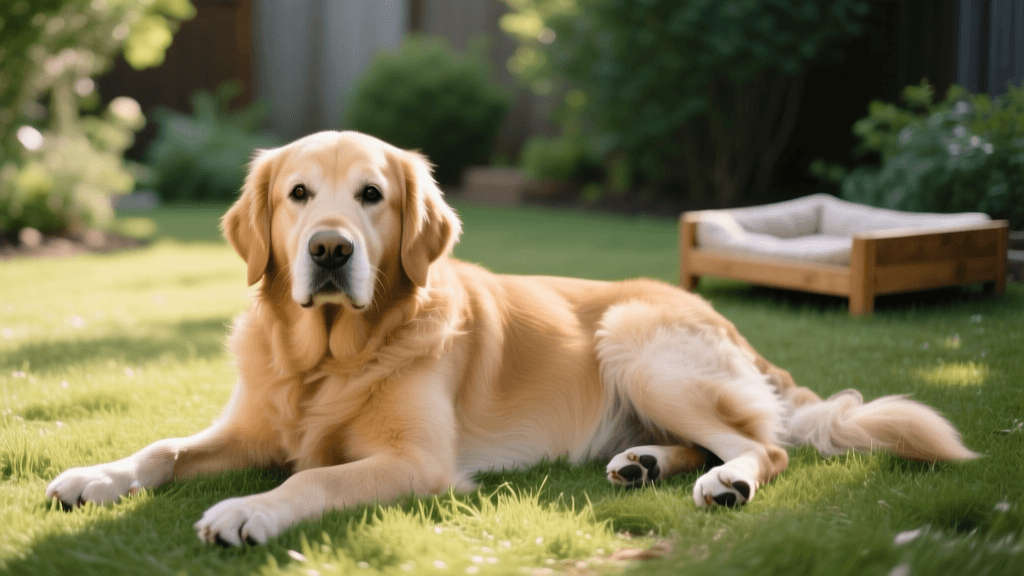
Owners must look for "covert" signals. These include a reluctance to jump into the car, a decrease in greeting behavior at the door, or subtle shifts in sleeping positions. A dog that used to sleep curled up in a tight ball may begin sleeping stretched out on their side to avoid compressing inflamed hip joints. You might notice your dog lagging behind on walks, sniffing the ground more frequently to force a slower pace, or exhibiting a "bunny hop" gait when trotting to minimize weight-bearing on their hindquarters.
Covert vs. Overt Pain Signals: A 2026 Communication Guide
| Signal Category | Covert (Early) Signals | Overt (Advanced) Signals |
|---|---|---|
| Mobility | Hesitation before jumping; slower stair climbing | Complete refusal to jump; severe limping; bunny-hopping |
| Social Behavior | Less enthusiastic greetings; seeking isolation | Aggression when touched; hiding under furniture |
| Posture & Grooming | Shifted weight to front legs; decreased coat grooming | Hunched back; muscle atrophy in hindquarters; over-licking joints |
| Sleep Patterns | Restlessness at night; frequent position changes | Inability to settle; pacing; vocalizing when lying down |
The 2026 Gold Standard: Librela and Biologic Therapies
Once you have decoded your dog's subtle pain signals, the next step is effective intervention. The treatment of canine osteoarthritis has been revolutionized by the widespread adoption of anti-Nerve Growth Factor (anti-NGF) monoclonal antibodies. In 2026, Librela (bedinvetmab) stands as the undisputed frontline biologic therapy for managing OA pain in dogs.
Unlike traditional Non-Steroidal Anti-Inflammatory Drugs (NSAIDs), which process through the liver and kidneys and carry risks of gastrointestinal or systemic side effects, Librela targets the pain at its source. NGF is a protein that becomes elevated in osteoarthritic joints, amplifying pain signals sent to the brain. Librela works by binding to and neutralizing this excess NGF, effectively turning down the volume of the pain without suppressing the body's natural inflammatory healing processes or stressing internal organs.
Administered as a simple monthly subcutaneous injection by your veterinarian, Librela has accumulated robust, multi-year safety data by 2026, proving highly effective even for senior dogs with pre-existing renal or hepatic conditions. Veterinary consensus now dictates that biologic therapies should be initiated at the first sign of covert pain signals, rather than waiting for joint degeneration to become severe.
Building a Comprehensive 2026 Pain Management Protocol
While Librela addresses the biochemical perception of pain, a true wellbeing protocol must also address the biomechanical and environmental factors contributing to joint stress. The Cornell University Hospital for Animals emphasizes a multimodal approach to pain management, combining pharmacology with physical and environmental modifications.
1. Precision Weight Management
Every extra pound on a dog's frame exerts up to four pounds of additional pressure on their joints. In 2026, veterinary nutritionists utilize AI-driven body condition scoring to prescribe exact caloric deficits. Transitioning to a joint-support prescription diet rich in EPA (eicosapentaenoic acid) and DHA helps modulate joint inflammation naturally.
2. Environmental Biomechanics
Your home environment should facilitate, not hinder, your dog's mobility. Replace slippery hardwood floors with interlocking foam mats or high-traction area rugs to prevent micro-slips that exacerbate joint instability. For furniture access, avoid repetitive jumping. Instead, invest in ramps with a gentle incline. The ideal ramp angle for an arthritic dog is between 18 and 22 degrees; anything steeper places excessive strain on the shoulders and spine. Furthermore, upgrade their bedding to a high-density orthopedic mattress. Beds featuring at least 4 inches of therapeutic, pressure-relieving foam prevent the joints from bottoming out against the hard floor during sleep.
3. Targeted Physical Rehabilitation
Muscle atrophy is a direct consequence of joint pain; as the dog moves less, the muscles supporting the joint weaken, leading to more pain. Incorporating low-impact hydrotherapy, such as underwater treadmill sessions, builds hindquarter muscle mass without the concussive force of gravity. At home, simple "cookie stretches" and balance exercises on inflatable canine conditioning discs can maintain core stability and proprioception.
Monitoring Progress: The Colorado Canine Chronic Pain Scale
Because dogs cannot tell us if their pain medication is working, we must rely on structured observation. The Colorado State University's Canine Chronic Pain Scale is an invaluable, scientifically validated tool for owners in 2026. This scale prompts you to evaluate your dog across seven specific behavioral categories, including vitality, emotion, and mobility.
By filling out this brief questionnaire weekly and logging the results in a digital journal, you can provide your veterinarian with objective data regarding your dog's response to Librela and environmental modifications. If your dog's score indicates lingering discomfort, your vet can adjust the dosage or integrate adjunctive therapies like veterinary acupuncture or cold laser therapy.
Conclusion: Empathy Through Observation
Canine communication is a continuous dialogue, spoken not in words, but in posture, routine, and subtle behavioral shifts. By educating yourself on the covert signals of osteoarthritis and leveraging the advanced biologic therapies available in 2026, you can break the cycle of silent suffering. Decoding your dog's pain signals is the ultimate act of empathy, ensuring that their senior years are defined not by limitation, but by comfort, mobility, and joy.
jonas-cole
All our authors care for dogs every day — read more of their work on the authors page.