Recognizing Canine OA Pain Signals: 2026 Behavior & Treatment
Learn to decode your dog's osteoarthritis pain signals. Discover 2026 behavioral cues and multimodal OA treatments to improve your senior dog's mobility.
The Hidden Psychology of Canine Osteoarthritis
Osteoarthritis (OA) is one of the most prevalent chronic conditions in the canine world, affecting an estimated 25% of all dogs and up to 80% of senior dogs. However, understanding your dog's experience with OA goes far beyond recognizing a limp or a stiff gait. As a pet owner, tuning into the psychological and behavioral shifts caused by chronic joint pain is critical for early intervention and effective management. Dogs are evolutionary masters at masking discomfort. In the wild, showing weakness could make them a target for predators or lead to ostracization from the pack. Because of this deeply ingrained survival instinct, your dog will rarely vocalize their pain until it becomes absolutely unbearable.
Instead of crying or whimpering, a dog suffering from OA will exhibit subtle changes in their daily behavior, personality, and body language. Chronic pain fundamentally alters a dog's psychological state. Over time, constant discomfort leads to central sensitization, a condition where the nervous system becomes hyper-reactive to stimuli. This neurological shift often manifests as unexplained irritability, anxiety, or a sudden reluctance to engage in activities they once loved. By learning to decode these silent signals, you can provide the compassionate care and advanced 2026 veterinary treatments your dog needs to thrive.
Decoding the Body Language of Joint Pain
To truly understand your dog's physical state, you must become fluent in their non-verbal communication. The American Kennel Club notes that behavioral changes are often the very first indicators of underlying joint disease, appearing long before obvious physical lameness sets in. Here are the critical body language cues and behavioral shifts that signal osteoarthritis:
Facial Expressions and Displacement Behaviors
- The Canine Grimace: Pay close attention to your dog's face. A dog in pain may hold their ears pinned back, squint their eyes, or exhibit a tense muzzle.
- Excessive Yawning and Lip Licking: While these can be signs of hunger or tiredness, frequent yawning and lip licking in non-stressful environments are classic 'displacement behaviors' indicating internal stress and physical discomfort.
- Whale Eye: If your dog turns their head away but keeps their eyes fixed on you, exposing the whites of their eyes, they may be anticipating painful handling or movement.
Posture and Movement Adjustments
- Weight Shifting: A dog with hip or knee OA will often stand with their weight shifted onto their front legs or their 'good' hind leg, creating an asymmetrical posture.
- The Bunny Hop: Instead of a fluid, alternating trot, dogs with bilateral hip OA may use both hind legs simultaneously when running or climbing stairs to minimize joint flexion.
- Altered Grooming Habits: A sudden lack of grooming, or conversely, obsessive licking over a specific joint, indicates localized discomfort. Dogs with spinal or hip OA often stop grooming their hindquarters entirely due to the pain of bending.
Psychological and Routine Changes
You may notice your dog sleeping more, but this is often restless, fragmented sleep rather than deep rest. They might pace at night, unable to find a comfortable position. Furthermore, a once-social dog may begin hiding under furniture or avoiding interactions with children and other pets, as they associate being touched or bumped with sudden, sharp joint pain.
The 2026 Multimodal Treatment Paradigm
The veterinary approach to canine OA has evolved dramatically. In 2026, the standard of care is no longer reliant on a single medication. Instead, veterinary specialists utilize a multimodal approach that addresses both the physical inflammation and the psychological toll of chronic pain. According to the American Animal Hospital Association (AAHA), combining pharmaceutical, nutritional, and environmental therapies yields the highest quality of life for arthritic dogs.
Targeted Biologics and Pharmaceuticals
The most significant advancement in recent years has been the widespread adoption of anti-Nerve Growth Factor (anti-NGF) monoclonal antibodies, such as bedinvetmab (Librela). Unlike traditional NSAIDs that process through the liver or kidneys, these monthly injections specifically target the NGF protein responsible for transmitting pain signals from damaged joints to the brain. This provides profound pain relief with a remarkably high safety profile, making it ideal for senior dogs with concurrent organ issues.
For dogs that require additional support, veterinarians may prescribe targeted NSAIDs like grapiprant (Galliprant), which blocks the specific EP4 prostaglandin receptor involved in joint inflammation, minimizing gastrointestinal side effects.
Regenerative and Physical Therapies
- Extracorporeal Shockwave Therapy (ESWT): This non-invasive treatment uses acoustic waves to stimulate cellular repair, reduce inflammation, and promote angiogenesis in damaged joint tissues.
- Hydrotherapy: Underwater treadmills provide buoyancy that unloads the joints while the water's resistance builds crucial stabilizing muscle mass.
- Acupuncture and Laser Therapy: Class IV therapeutic lasers and veterinary acupuncture are now mainstream modalities used to increase local blood flow and release endogenous endorphins, naturally elevating the dog's mood and pain threshold.
Nutraceuticals and Joint Support
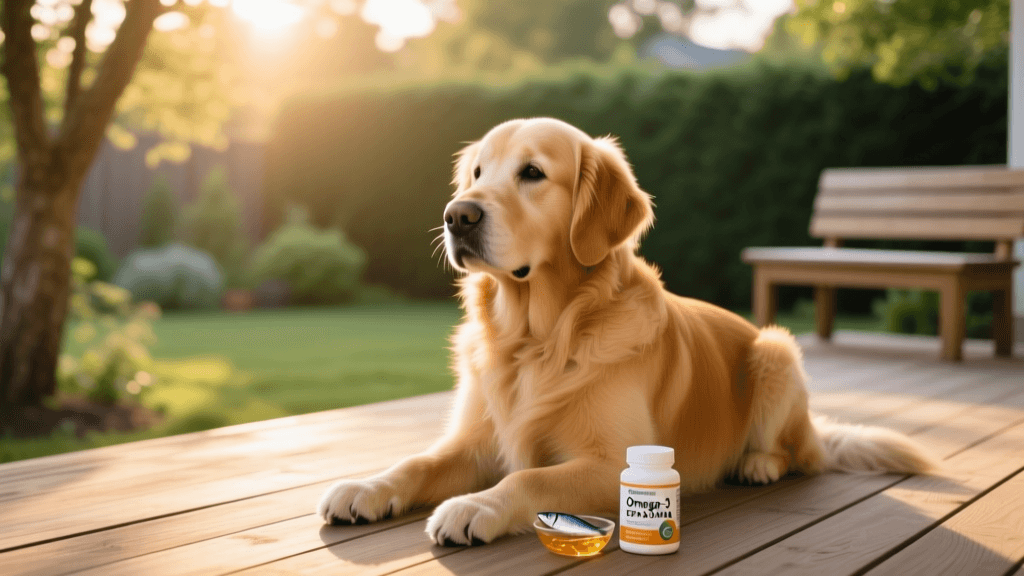
The U.S. Food and Drug Administration advises working closely with your vet to select proven joint supplements. In 2026, formulations containing Undenatured Type II Collagen (UC-II), high-EPA Omega-3 fatty acids, and green-lipped mussel extract are highly recommended to modulate the immune response and protect remaining cartilage from enzymatic degradation.
Comparison Chart: Normal Aging vs. OA Pain Signals
It is easy to dismiss OA symptoms as simply 'slowing down due to old age.' Use this chart to differentiate between normal senior behavior and active osteoarthritis pain.
| Behavioral Cue | Normal Senior Aging | Osteoarthritis Pain Indicator |
|---|---|---|
| Sleeping Patterns | Sleeps more deeply, wakes easily, stretches normally. | Restless sleep, frequent waking, difficulty finding a comfortable position, groaning when lying down. |
| Stair Navigation | Climbs slowly but steadily with normal rhythm. | Hesitates at the bottom, skips steps, bunny-hops, or refuses to go down stairs entirely. |
| Social Interaction | Enjoys affection, seeks out family members. | Withdraws, hides, snaps when touched near the hindquarters or spine. |
| Posture at Rest | Relaxes fully, legs extended or comfortably tucked. | Sits with one hind leg kicked out to the side ('sloppy sit'), stands with hunched back. |
Environmental and Psychological Enrichment
Treating the physical pain is only half the battle; you must also adapt your dog's environment to support their psychological well-being. A dog that can no longer jump onto the couch to be near you may experience feelings of isolation and depression. Provide orthopedic memory foam beds with bolsters to support their neck and spine, and place them in high-traffic family areas so your dog remains socially integrated.
Utilize non-slip rugs or yoga mats over slippery hardwood floors to give your dog the confidence to walk without fear of splaying and injuring themselves. Install ramps or pet stairs to allow them independent access to vehicles and furniture, preserving their sense of autonomy.
Finally, mental enrichment is vital for a dog with limited mobility. Replace high-impact fetch sessions with low-impact scent work, snuffle mats, and puzzle feeders. Engaging their natural foraging instincts tires them out mentally, preventing the frustration and anxiety that often accompany a sudden drop in physical exercise. By combining advanced 2026 veterinary treatments with a deep understanding of your dog's behavioral needs, you can ensure their senior years are comfortable, joyful, and pain-free.
hannah-wickes
All our authors care for dogs every day — read more of their work on the authors page.