Read Dog Calming Signals During Obedience Training: 2026 Guide
Learn to decode canine calming signals like lip licking and yawning during recall training to reduce stress and build trust in 2026.
The Evolution of Force-Free Training in 2026
As we navigate the dog training landscape in 2026, the industry has firmly shifted away from outdated, dominance-based theories toward a deeply empathetic, science-backed approach. Modern force-free training is no longer just about achieving mechanical compliance; it is about fostering a willing, enthusiastic partnership. At the core of this modern methodology is a profound understanding of canine communication. According to the American Kennel Club's training resources, recognizing subtle shifts in a dog's body language is the single most important skill a handler can develop to prevent behavioral fallout and build lasting trust.
One of the most critical yet frequently misunderstood aspects of canine communication is the use of "calming signals." First extensively documented by Norwegian dog trainer Turid Rugaas, these signals are the subtle gestures dogs use to self-soothe, de-escalate tension, and communicate discomfort. When teaching high-stakes commands like recall or a prolonged stay, failing to recognize these signals can lead to a dog that appears "stubborn" or "disobedient," when in reality, they are overwhelmed. This comprehensive guide will teach you how to identify and respond to calming signals during your 2026 obedience training sessions.
What Are Canine Calming Signals?
Calming signals are innate, involuntary physical behaviors that dogs exhibit when they experience internal conflict, stress, or social pressure. Unlike aggressive posturing (which is meant to increase distance through intimidation), calming signals are designed to maintain social harmony and lower the emotional temperature of an interaction. In a training context, if your dog displays these signals, they are telling you that the current criteria, environment, or your own body language is causing them cognitive or emotional strain.
The Fear Free Pets initiative heavily emphasizes that reducing fear, anxiety, and stress (FAS) during any veterinary or training interaction is paramount. Pushing a dog through calming signals without adjusting your training plan can lead to "learned helplessness" or sudden behavioral outbursts.
Top 5 Calming Signals to Watch During Recall Training
Recall training requires a dog to disengage from their environment and move toward the handler. This can create immense pressure, especially in distracting environments. Watch closely for these five signals:
1. Yawning Out of Context
If your dog is not waking up from a nap or settling into bed, a sudden yawn during a recall exercise is a massive red flag. It indicates that the dog is feeling stressed by the expectation or the environment. They are literally trying to "yawn away" the tension.
2. Lip Licking or Tongue Flicking
A quick flick of the tongue over the nose or rapid lip licking (when no food is present) is a classic micro-signal of anxiety. If you call your dog and they stop, lick their lips, and look away before moving, they are conflicted about the command.
3. Turning the Head or Body Away
Direct, head-on approaches and intense eye contact can be perceived as confrontational in canine body language. If you call your dog while facing them squarely, and they turn their head to the side or present their shoulder to you, they are using a calming signal to politely ask you to lower the social pressure.
4. Displacement Sniffing
While sniffing is a normal canine behavior, "displacement sniffing" occurs when a dog suddenly becomes intensely interested in a barren patch of grass immediately after a command is given. This is an avoidance tactic used to cope with the pressure of the training session.
5. Moving in Slow Motion
Fast, erratic movements can trigger prey drive or signal high arousal. Conversely, moving very slowly is a dog's way of signaling peaceful intentions. If your dog is returning to you at a snail's pace during recall, they may be trying to calm you down, especially if your tone of voice was sharp or frustrated.
Common Mistakes Trainers Make When Ignoring Signals
In the past, trainers might have labeled a dog displaying these behaviors as "blowing off" the handler. In 2026, we know better. Punishing or repeating the command louder when a dog shows calming signals is a critical error. Repeating the cue ("Rover, come! Rover, I said COME!") only increases the social pressure, causing the dog to exhibit more intense calming signals or eventually shut down entirely. The ASPCA's dog care guidelines consistently remind owners that repeating commands without addressing the underlying emotional state creates "cue poisoning," where the dog associates the word with stress rather than reward.
The 2026 Protocol: Adjusting Your Training in Real-Time
When you spot a calming signal, your immediate goal is to lower the dog's stress threshold. Follow this three-step protocol:
- Step 1: Stop and Breathe. Cease all verbal commands. Drop your shoulders, turn your own body slightly to the side (mirroring their calming signal), and take a deep breath. Dogs are highly attuned to our respiration rates.
- Step 2: Lower the Criteria. If you were practicing recall at a distance of 30 feet in a park, the environmental difficulty is too high. Move to a distance of 5 feet, or relocate to a quieter, familiar environment like your living room.
- Step 3: Reset with Play or Foraging. Engage in a low-stakes activity to reset the dog's emotional baseline. Scatter a handful of high-value treats in the grass for them to forage, or engage in a brief, gentle game of tug to rebuild confidence and joy.
Canine Communication Matrix: Decoding the Behavior
Use this reference table to quickly differentiate between normal behaviors, calming signals, and signs of escalating distress during your training sessions.
| Behavior | Category | Typical Context | Recommended Trainer Action |
|---|---|---|---|
| Yawning | Calming Signal | High stress, confusion, or pressure | Pause session, soften body language, lower criteria |
| Tongue Flick | Calming Signal | Mild anxiety, anticipation of correction | Smile, use a softer tone, offer a high-value treat |
| Sniffing Ground | Displacement / Calming | Avoidance of command, environmental overwhelm | Wait silently, do not repeat cue, reset the exercise |
| Whale Eye | Stress / Warning | Fear, guarding, high discomfort | Immediately end the session and increase distance |
| Loose Wiggling | Normal / Joyful | Enthusiasm, high positive arousal | Mark and reward heavily, continue training |
| Scratching | Displacement | Sudden itchiness due to nervous system spike | Take a 2-minute break, allow dog to shake off |
Modern Tools for Low-Stress Training in 2026
To support a training philosophy rooted in clear communication and low stress, modern handlers are leveraging updated tools and nutrition:
Biometric Canine Wearables
In 2026, advanced biometric dog collars can track Heart Rate Variability (HRV) and resting respiratory rates in real-time. While you should always rely on your own eyes to read calming signals, these devices provide objective data on your dog's stress recovery times after a challenging recall exercise, helping you tailor the length of your training sessions to your dog's specific neurological baseline.
Single-Ingredient Freeze-Dried Reinforcers
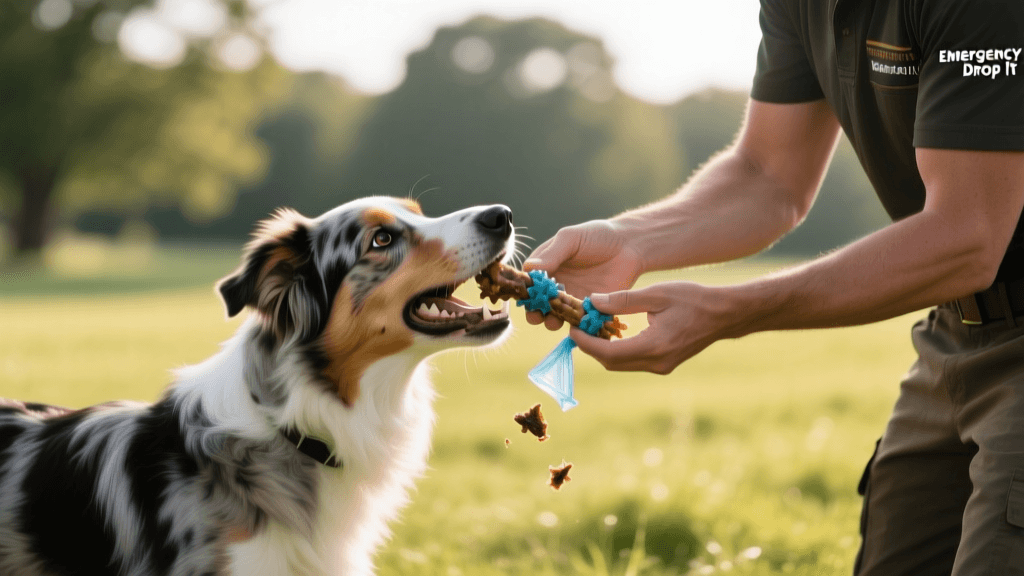
When a dog is exhibiting mild calming signals, standard kibble often lacks the palatability to break through their stress response. The 2026 market is dominated by single-ingredient, freeze-dried raw treats (like beef liver or wild salmon). The intense olfactory stimulation and high value of these treats help rapidly shift a dog's brain from a state of mild anxiety to a state of positive anticipation.
Biothane Long Lines
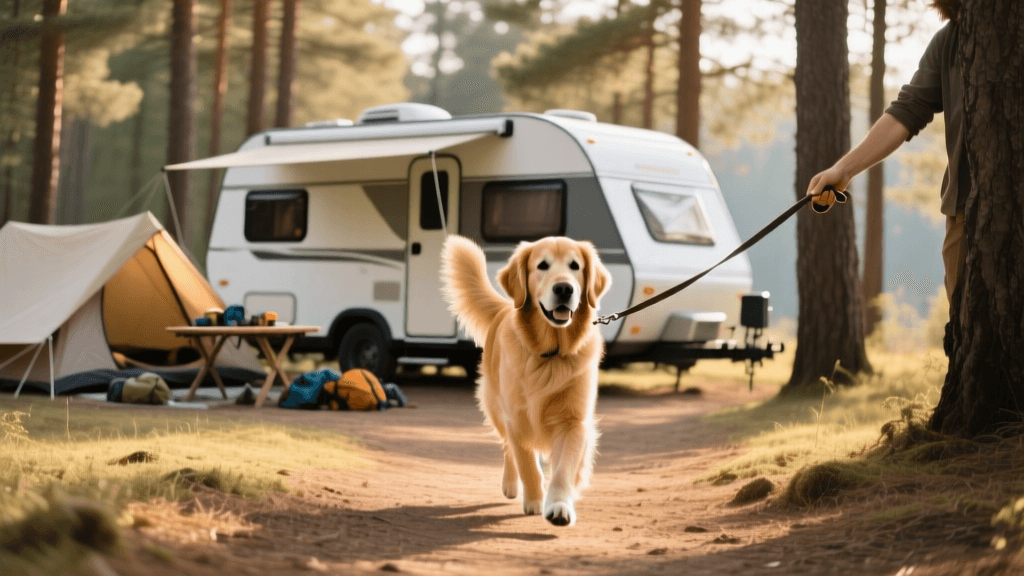
For recall training, a 20-foot to 30-foot Biothane long line is essential. Unlike nylon, Biothane does not absorb water or mud, preventing the line from becoming heavy and dragging on the ground. A heavy, dragging line can create physical tension that the dog misinterprets as handler pressure, inadvertently triggering calming signals. Biothane glides smoothly, allowing the dog to feel truly off-leash while you maintain safety.
Conclusion
Mastering obedience training in 2026 requires us to be fluent in the silent language of our dogs. By actively looking for calming signals like yawning, lip licking, and displacement sniffing during recall and stay exercises, you transition from being a mere commander to a compassionate partner. When you respect your dog's communication and adjust your training criteria accordingly, you build a foundation of profound trust. The result is not just a dog that comes when called, but a dog that runs to you with joy, confidence, and a relaxed, happy body.
anouk-beaumont
All our authors care for dogs every day — read more of their work on the authors page.